
Reports and Findings
This study describes the carer- and self-reported mealtime challenges for children and young people with cerebral palsy. These data are novel and incorporate the consumer's perspective to inform service delivery.
Autism research is only as interpretable as the tools and practices used to evaluate change. Measurement determines what is counted as evidence, how needs are recognized, how change is evaluated, and how findings are compared across individuals, studies, and contexts.
Mitochondrial diabetes is rare and typically treated with dietary intervention and oral hypoglycaemic agents. Most require insulin. Novel treatments are available but are not well characterised.
The imprecision of predictive equations has led to recommendations for the use of indirect calorimetry to determine measured energy expenditure in the paediatric intensive care unit. However, the feasibility of newer devices, such as the QNRG+ and the impact of IC-guided nutrition delivery on patient outcomes remains unclear.
Cesarean section (CS) rates have increased substantially in Australia, with particularly high use observed in private maternity care and for pre-labor CS. The aim of the present study was to describe the CS rates and the clinical indications for pre-labor CS in the ORIGINS birth cohort.
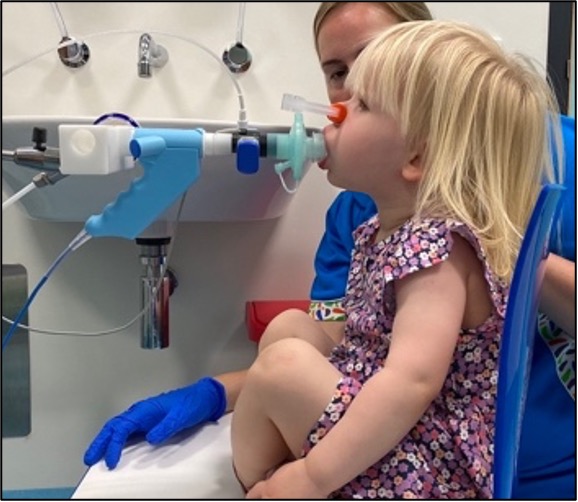
This national, multi-centre study will generate the evidence needed to implement promising preschool lung function tests, multiple breath washout (MBW) and oscillometry (OSC), into clinical practice to enable early detection of lung function impairment in young children.

Help shape RSV care - Take part in the RISE Against RSV Survey
Electronic cigarettes (e-cigarettes) have become a leading form of nicotine use among children and adolescents worldwide. The World Health Organization (WHO) estimates that approximately 15 million young teenagers currently use these products. Contrary to early claims regarding reduced harm, e‑cigarettes expose users to a range of toxic substances, including carcinogens and, increasingly, synthetic nicotine compounds and other psychoactive agents.
Adolescence represents a pivotal period for the development of early diabetes-related vascular complications, primarily driven by chronic hyperglycemia and associated metabolic disturbances. Metabolomics provides a promising tool to identify biomarkers reflecting these early changes.
E-cigarettes are widely perceived as a safer alternative to tobacco, and that perception often extends to their use around infants and children. Yet exhaled aerosol deposits onto indoor surfaces, leaving a residue, known as third-hand e-cigarette aerosol, that can be re-emitted, ingested, or absorbed through the skin. The developmental consequences of such exposure have been almost entirely unexplored.