
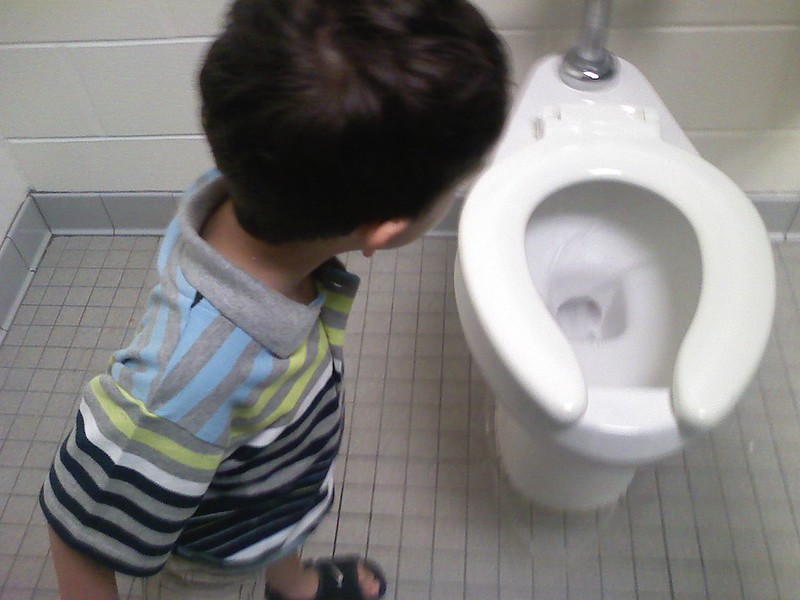
In this blog, Occupational Therapist Ally Raphael offers tips for successful toilet training.
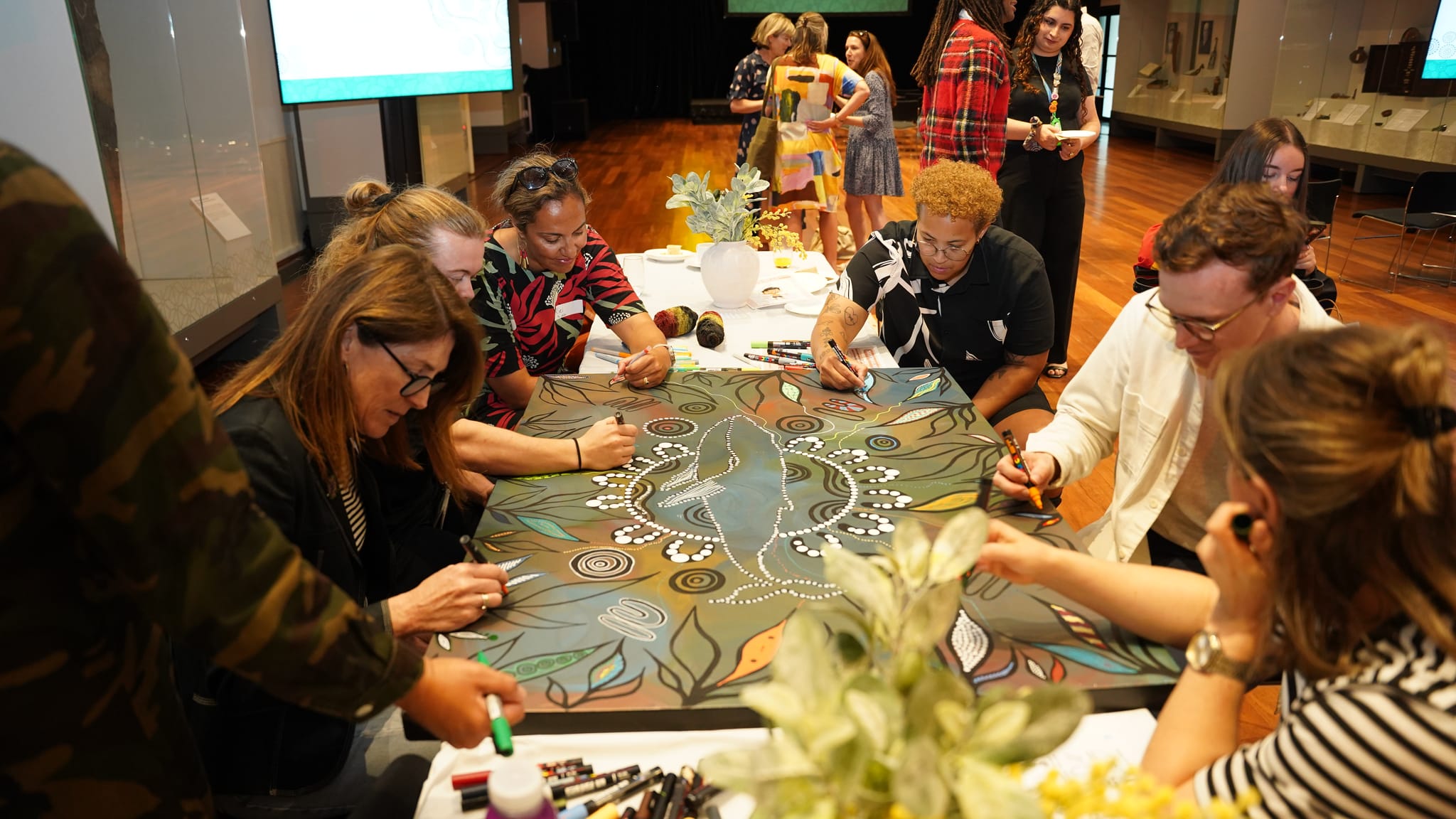
Vital recommendations to improve cultural safety in health services have been released in a newly published review led by Embrace-funded researchers.

In this blog, Clinical Psychologist and Clinical Lead (Psychology) Dr Mei’en Lim offers families — both parents and children — advice on how to embra…

Empower-Autism is an online support program for parents and carers of children recently diagnosed as autistic.
Vancomycin is used to treat serious gram-positive infections in children; however, effective dosing information for those aged 3 months to 18 years i…
Speech and language therapists' (SLT) practice with cultural and linguistic diverse (CALD) populations with acquired and congenital neurogenic commun…
Bacteriophages (phages) are viruses that selectively kill bacteria and offer a promising option to address the growing global pandemic of antimicrobi…
School time represents a significant component of overall glycaemia for children with type 1 diabetes (T1D), and glucose levels during instructional…
This study examined how mental health clinicians conceptualise, assess, and treat dissociation in children and adolescents, and examined their confid…