
The Metabolomics to Predict Asthma (MAP) study has reached an important turning point. After examining the ‘chemical fingerprints’ of more than 300 c…

New research from the Wal-yan Respiratory Research Centre points to a more accurate set of warning signs that can flag declining lung function years…
The Kids Research Institute Australia has been awarded its first Science in Australia Gender Equity (SAGE) Cygnet Award, recognising its progress in…

Did you know our research shows that less than 20 per cent of young Australian children get enough energetic play each day? Many children are spendin…
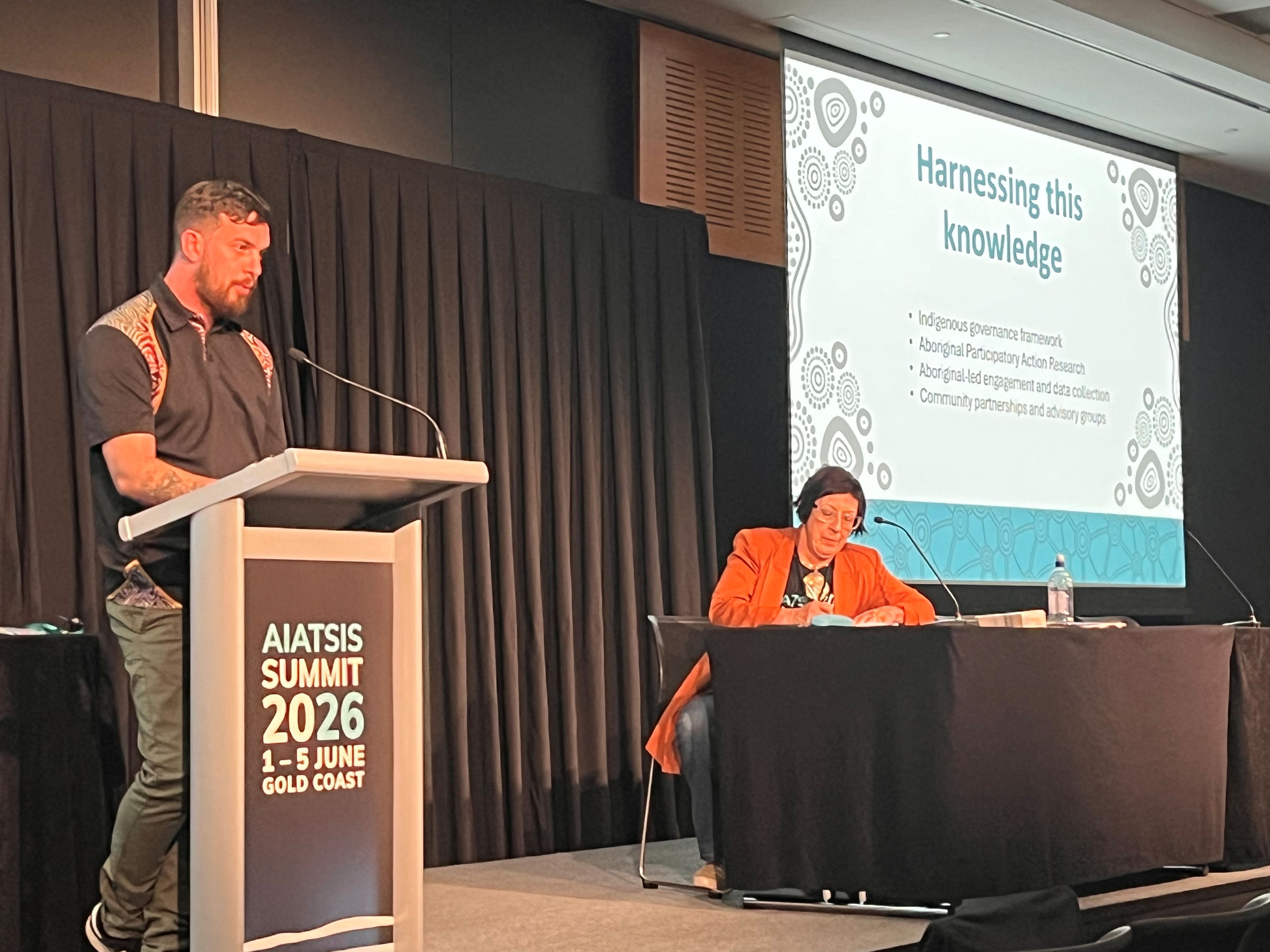
Thomas Betts presenting at AIATSIS in June 2026

This is the second blog in our new series about what play is and its importance.

Respiratory Syncytial Virus (RSV) is a year-round threat to the health of babies and young children, and one of the leading causes of infant hospital…
This project forms a program of modelling to inform the Gate's Foundation’s malaria product development portfolio, otherwise known as the Integrated…
Strep A causes a huge global burden of disease, from sore throats to rheumatic heart disease. Our team is developing a computer simulation model, Ope…