
Search
Few studies have examined long-term outcomes following oral immunotherapy; none have examined long-term risks and benefits associated with distinct clinical outcomes (desensitization, remission).
The first few days of life are characterized by rapid external and internal changes that require substantial immune system adaptations. Despite growing evidence of the impact of this period on lifelong immune health, this period remains largely uncharted.
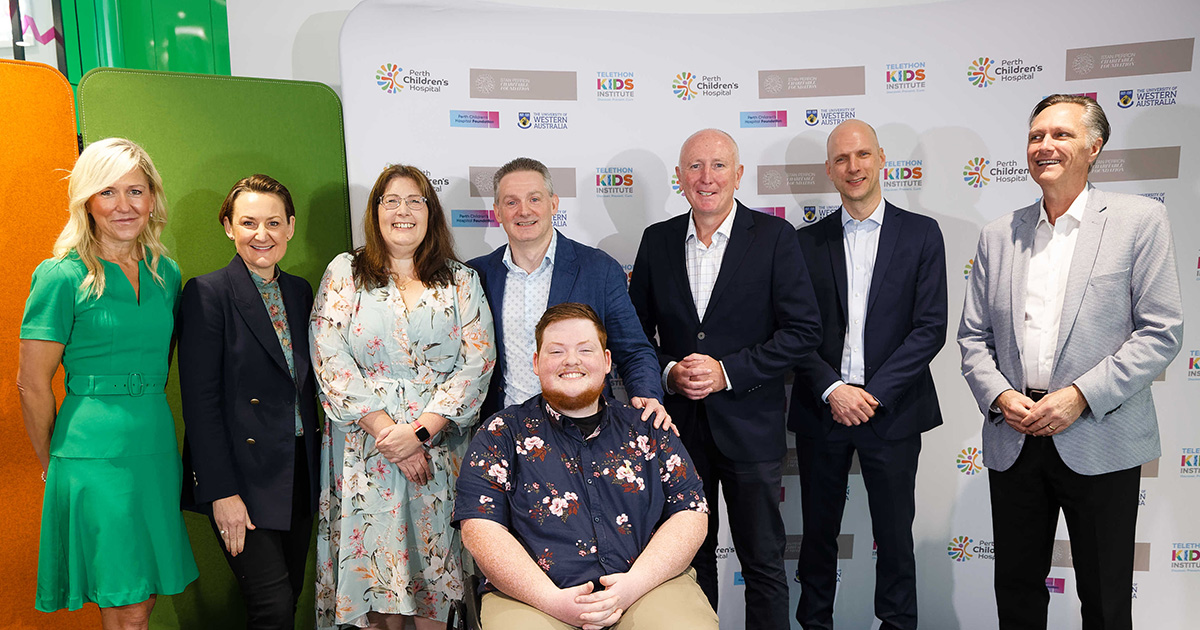
One of WA’s biggest ever philanthropic gifts will transform childhood cancer research and treatment by improving outcomes for children with cancer and discovering more effective and less toxic treatments.
Based on the socioecological conceptual model, the physical environment within the home, childcare and neighbourhood domains are key factors that influence preschool children's physical activity; however, the relative importance of each of these domains for preschool children's physical activity is unclear.
There is a dire paucity of research into the burden, correlates and motives of substance use among trans young people in Australia.
Despite significant advances, outcomes for children with Down syndrome (DS, trisomy 21) who develop acute lymphoblastic leukemia remain poor. Reports of large DS-ALL cohorts have shown that children with DS have inferior event-free survival and overall survival compared to children without DS.
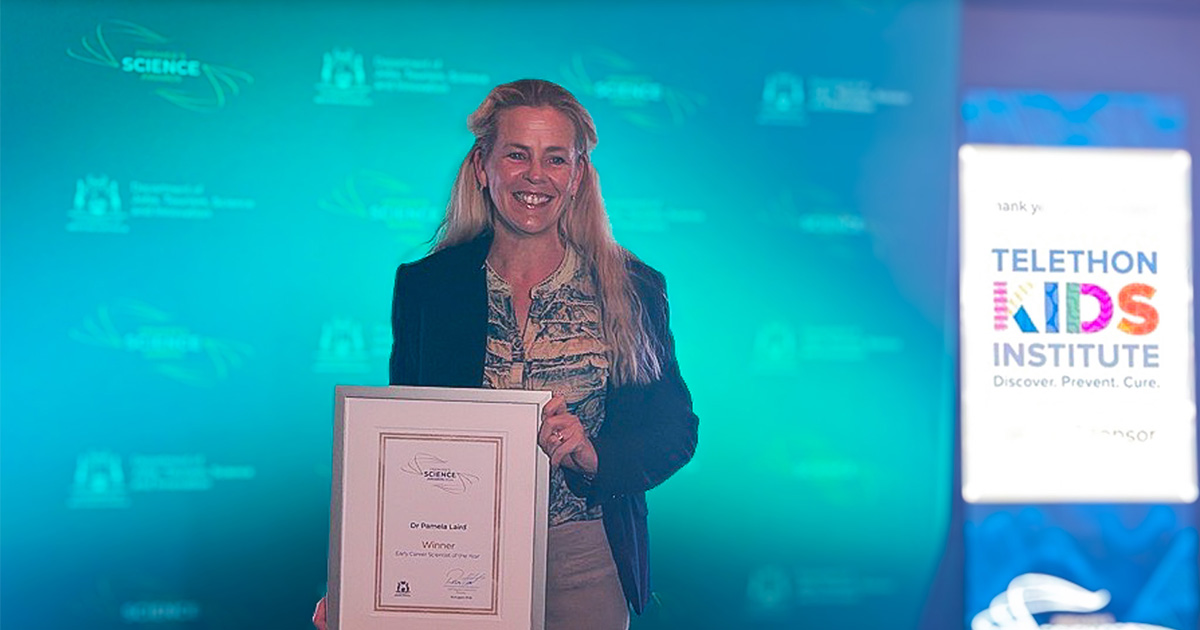
Congratulations to respiratory health researcher and clinician Dr Pam Laird, who was last night named joint winner of Early Career Scientist of the Year at the 2024 Premier’s Science Awards.
Natural outdoor environments provide important settings for children to engage in physical activity. It is unclear if these relationships also exist in preschool aged children. We examined associations between amount and type of neighbourhood vegetation and blue space, proximity to the beach and preschooler's device-measured movement behaviours.
We are working with the leadership and staff at foster care agencies and community members to provide information about cultural connection, and cultural activity and resources for Aboriginal children living in non-Aboriginal care arrangements.
Nonsuicidal self-injury (NSSI) is particularly common among trans young people. Trans young people tend to experience high levels of emotional distress due to the unique stressors they face, and often use NSSI as an emotion regulation strategy. These stressors include gender dysphoria, body image concerns, and transphobic experiences.