
Search
Otitis media has a high prevalence in childhood, and grommet insertion is the most common surgical treatment for OM. The public health system in Australia faces considerable strains, including high demand for Ear, Nose and Throat specialists. Extending the scope of practice for audiologists to manage post-operative care for children receiving grommets has the potential to alleviate this burden.
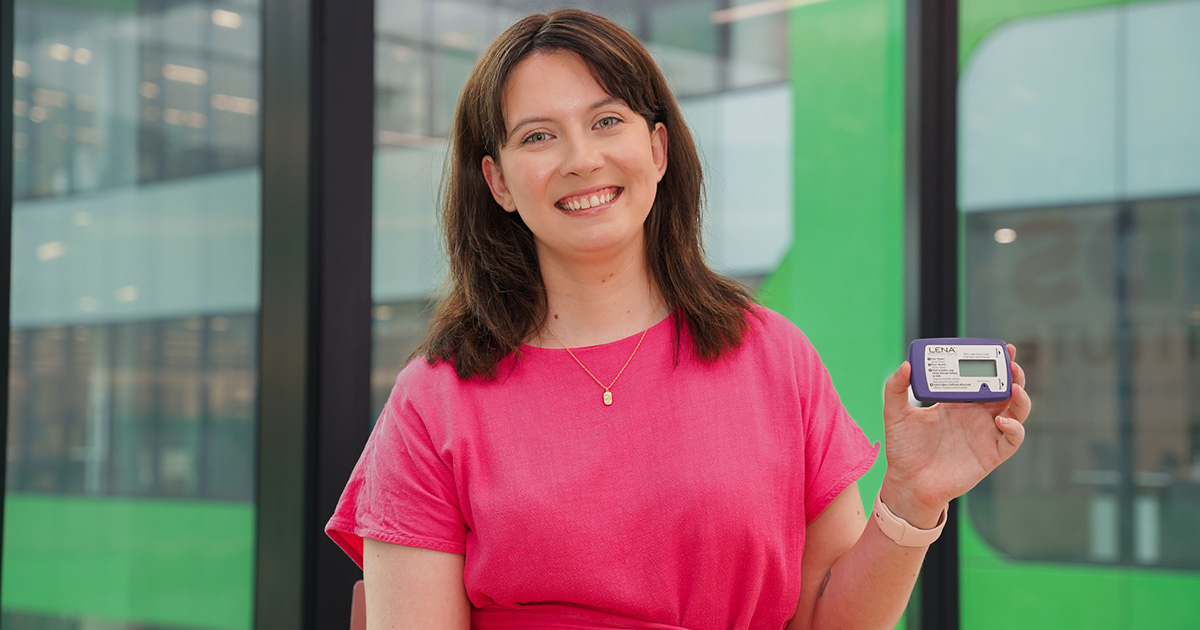
A The Kids Research Institute Australia researcher whose PhD studies highlighted the link between screen time exposure and toddlers’ language development has been named a finalist in South Australia’s Science Excellence and Innovation Awards.
Mitophagy preserves overall mitochondrial fitness by selectively targeting damaged mitochondria for degradation. The regulatory mechanisms that prevent PTEN-induced putative kinase 1 (PINK1) and E3 ubiquitin ligase Parkin (PINK1/Parkin)-dependent mitophagy and other selective autophagy pathways from overreacting while ensuring swift progression once initiated are largely elusive.
With an increasing number of grandparents providing care to their grandchildren, calls have been made for these caregivers to be considered important stakeholders in encouraging children's engagement in health-promoting behaviors, such as physical activity.
Neonatal sepsis is associated with significant mortality and morbidity. Low-middle-income countries are disproportionately affected, but late-onset sepsis still occurs in up to 20% of infants <28 weeks in high-income countries. Understanding site-specific data is vital to guide management.
Data on static compliance of the chest wall (Ccw) in preterm infants are scarce. We characterized the static compliance of the lung and Ccw to determine their relative contribution to static compliance of the respiratory system in very preterm infants at 36 wk postmenstrual age. We also aimed to investigate how these compliances were influenced by the presence of bronchopulmonary dysplasia and impacted breathing variables.

Business leader Naomi Flutter has been appointed Chair of The Kids Research Institute Australia.
Emotional labour is the process by which people regulate emotions congruently with occupational requirements. Research consistently links emotional labour to greater levels of burnout. However, we argue this literature is potentially confounded by measurement error.
Aboriginal and Torres Strait Islander peoples are disproportionately impacted by type 2 diabetes. Continuous glucose monitoring technology (such as Abbott Freestyle Libre 2, previously referred to as Flash Glucose Monitoring) offers real-time glucose monitoring that is convenient and easy to use compared to self-monitoring of blood glucose.
Disease surveillance data was critical in supporting public health decisions throughout the coronavirus disease 2019 (COVID-19) pandemic. At the same time, the unprecedented circumstances of the pandemic revealed many shortcomings of surveillance systems for viral respiratory pathogens. Strengthening of surveillance systems was identified as a priority for the recently established Australian Centre for Disease Control, which represents a critical opportunity to review pre-pandemic and pandemic surveillance practices, and to decide on future priorities, during both pandemic and inter-pandemic periods.