Skip to content
The Kids Research Institute Australia logo
Donate

No results yet

Search

Research

Illuminating mitochondrial translation through mouse models

Mitochondria are hubs of metabolic activity with a major role in ATP conversion by oxidative phosphorylation (OXPHOS). The mammalian mitochondrial genome encodes 11 mRNAs encoding 13 OXPHOS proteins along with 2 rRNAs and 22 tRNAs, that facilitate their translation on mitoribosomes.

Research

Evaluation of the Fetal Alcohol Spectrum Disorder Hub Australia website

To evaluate use and utility of the Fetal Alcohol Spectrum Disorder (FASD) Hub Australia website. 

Research

Global fertility in 204 countries and territories, 1950-2021, with forecasts to 2100: a comprehensive demographic analysis for the Global Burden of Disease Study 2021

Accurate assessments of current and future fertility-including overall trends and changing population age structures across countries and regions-are essential to help plan for the profound social, economic, environmental, and geopolitical challenges that these changes will bring. Estimates and projections of fertility are necessary to inform policies involving resource and health-care needs, labour supply, education, gender equality, and family planning and support. 

Research

Parents’ attitudes towards the No Jab No Play legislation in Western Australia: a mixed methods study

Mandates provide a relatively cost-effective strategy to increase vaccinate rates. Since 2014, five Australian states have implemented No Jab No Play (NJPlay) policies that require children to be fully immunised to attend early childhood education and childcare services. In Western Australia, where this study was conducted, NJNPlay legislation was enacted in 2019. 

Research

Filling Gaps in Adolescent Health Measurement: Taking Stock of Progress and Priorities Ahead

Citation: Keogh SC, Guthold R, Newby H, …….. Azzopardi P, Fagan L, et al. Filling Gaps in Adolescent Health Measurement: Taking Stock of Progress and

Research

Perspectives on the essential skills of healthcare decision making in children and adolescents with intellectual disability

Involvement in healthcare decisions is associated with better health outcomes for patients. For children and adolescents with intellectual disability, parents and healthcare professionals need to balance listening to a child's wishes with the responsibility of keeping them safe. 

Research

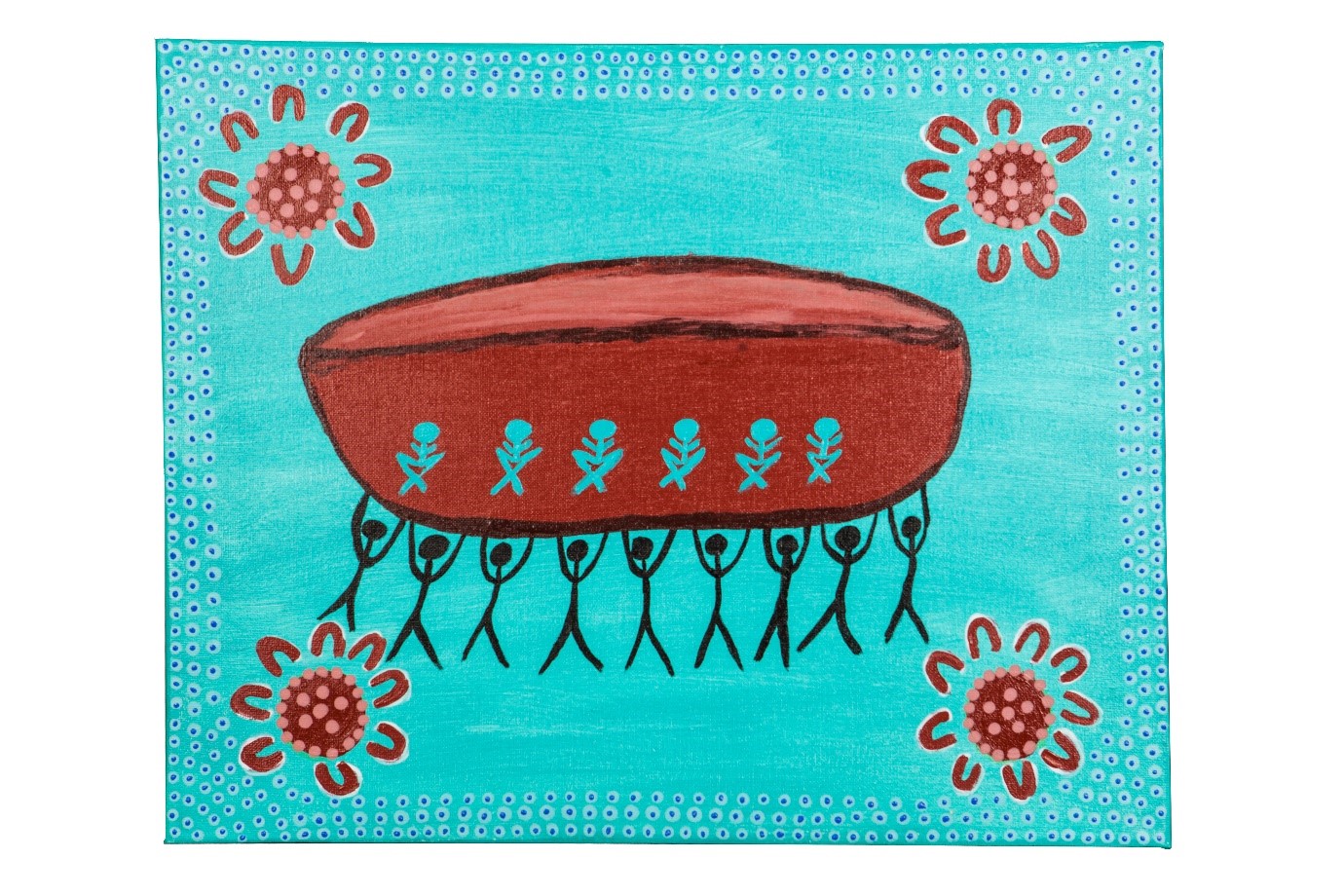
Codesigning enhanced models of care for Northern Australian Aboriginal and Torres Strait Islander youth with type 2 diabetes: study protocol

Premature onset of type 2 diabetes and excess mortality are critical issues internationally, particularly in Indigenous populations. There is an urgent need for developmentally appropriate and culturally safe models of care. We describe the methods for the codesign, implementation and evaluation of enhanced models of care with Aboriginal and Torres Strait Islander youth living with type 2 diabetes across Northern Australia. 

Research

Understanding and optimising gratitude interventions: the right methods for the right people at the right time

Gratitude has consistently been associated with various beneficial health-related outcomes, including subjective wellbeing, positive mental health, and positive physical health. In light of such effects, positive psychology researchers and practitioners have often implemented gratitude interventions in an attempt to build individuals' orientations toward appreciation and thankfulness. Recent meta-analyses and reviews have revealed, however, that these interventions often have mixed effects on gratitude or other health outcomes. 

Research

Community perspectives on the appropriateness and importance of support goals for young autistic children

Researchers do not know much about what autistic adults, parents and professionals think about support goals for young autistic children. People's views of support goals might also be influenced by their beliefs about early support more generally. This survey involved 87 autistic adults, 159 parents of autistic children and 80 clinical professionals living in New Zealand and Australia.

Research

Physicochemical compatibility of caffeine citrate and caffeine base injections with parenteral medications used in neonatal intensive care settings

To investigate the physicochemical compatibility of caffeine citrate and caffeine base injections with 43 secondary intravenous drugs used in Neonatal Intensive Care Unit settings.