

For decades Australians have been told to minimise sun exposure to prevent skin cancer.

Head of Cancer Immunotherapy Research at the The Kids Cancer Centre, Dr Jason Waithman, says Australia has one of the highest rates of skin cancer in…

Professor Silva says pregnant women are also more vulnerable to the heat.

The Aussie summer provides some great opportunities for families to connect in an active and social way. But with it comes a range of factors that ca…

The Aussie summer provides some great opportunities for families to connect in an active and social way. But with it comes a range of factors that ca…
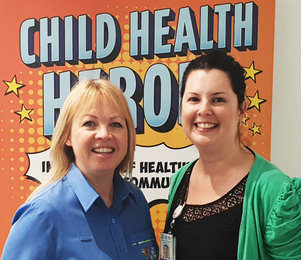
A Clinical Nurse Specialist position within Perth Children’s Hospital’s Diabetes Service has been funded as part of the Federal Government’s new Type…
Children as young as six years old are being diagnosed with type 2 diabetes, according to Perth endocrinologists who are calling for early screening…
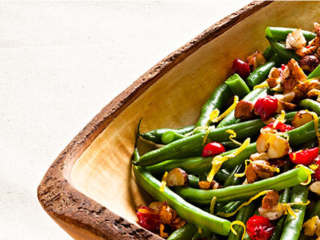
We asked Accredited Practising Dietitian, Dr Amelia Harray, for her top nutrition tips and recipe suggestions to help you enjoy food and stay on trac…

Beat the heat these school holidays by visiting the The Kids Discovery Centre.v

Australia’s biggest study into the causes of type 1 diabetes recently recruited its 1500th and final participant right here in WA.