Skip to content

Search

Net Promoter Score Model for Evaluating Paediatric Medicine Acceptability: Validation and Feasibility Study

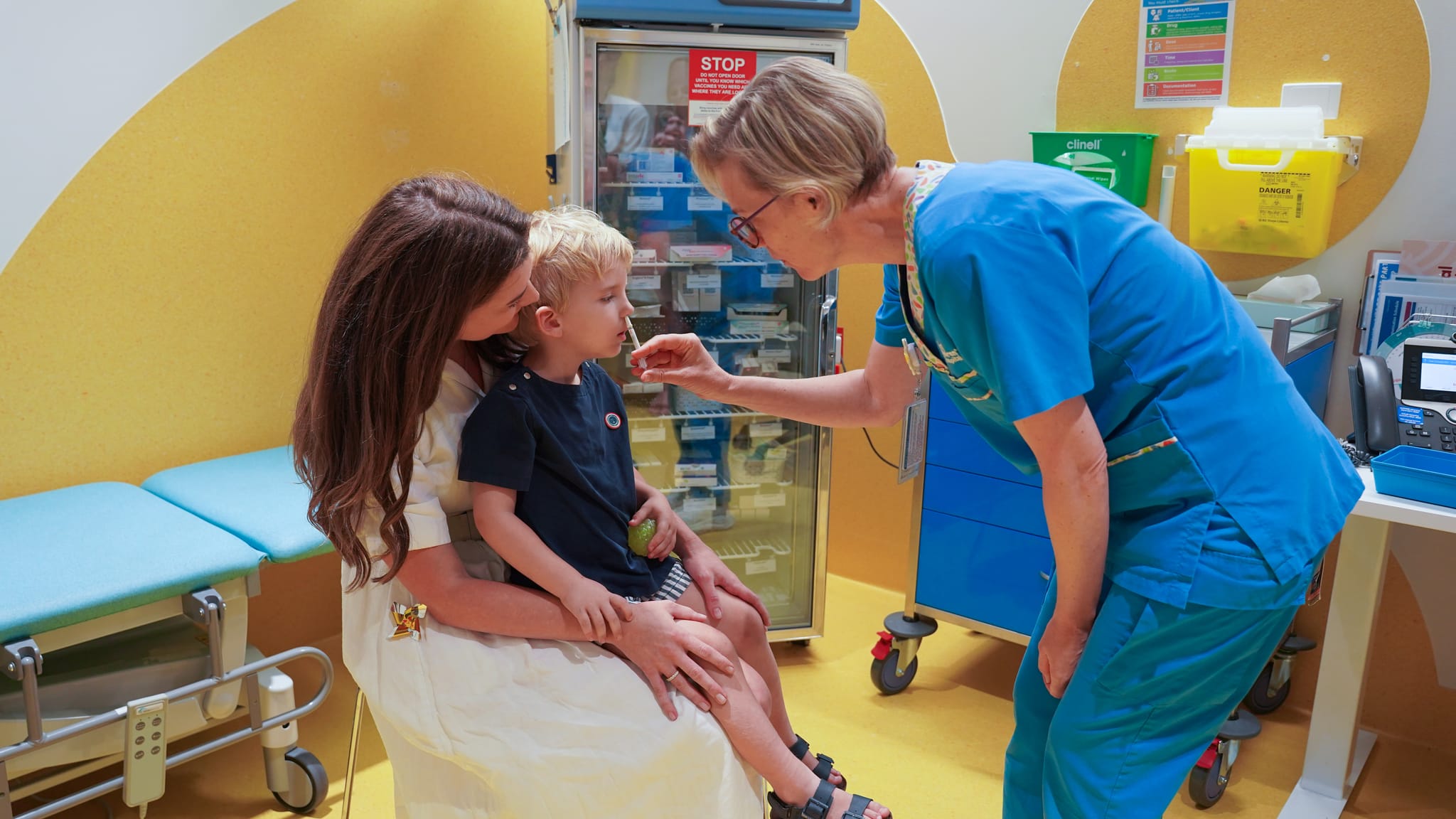
Medicine acceptability is crucial for paediatric drug development, yet its assessment remains challenging due to the multifaceted nature of sensory attributes like taste, smell, and mouthfeel. Traditional methods of acceptability evaluation often involve complex questionnaires and lack standardisation, leading to difficulties in a comparative analysis across studies.

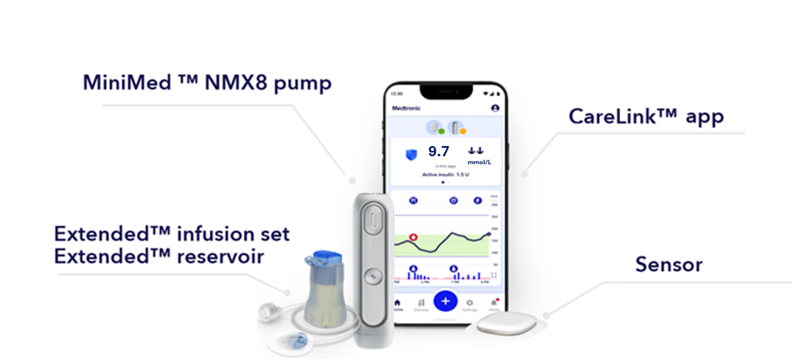
Results of an Australian trial of an automated insulin delivery (AID) system and other studies support likely benefit of AID use for many Australian adults with type 1 diabetes

Less than 20% of Australians with type 1 diabetes (T1D) meet recommended glucose targets. Technology use is associated with better glycaemia, with the most advanced being automated insulin delivery (AID) systems, which are now recommended as gold-standard T1D care. Our Australian AID trial shows a wide spectrum of adults with T1D can achieve recommended targets. Other studies, including lived experience data, are supportive. Insulin pumps are not subsidised for most Australian adults with T1D. We advocate change. 

Phage cocktail amikacin combination as a potential therapy for bacteremia associated with carbapenemase producing colistin resistant Klebsiella pneumoniae

The increasing occurrence of hospital-associated infections, particularly bacteremia, caused by extensively drug-resistant (XDR) carbapenemase-producing colistin-resistant Klebsiella pneumoniae highlights a critical requirement to discover new therapeutic alternatives. Bacteriophages having host-specific bacteriolytic effects are promising alternatives for combating these pathogens. 

Pushing the boundaries of rare disease diagnostics with the help of the first Undiagnosed Hackathon

Timo Lassmann BSc (Hons) MSc PhD Feilman Fellow; Head, Precision Health Research and Head, Translational Intelligence timo.lassmann@thekids.org.au

Compatibility of pentoxifylline injection with syringe and inline filters

Tobias Strunk MD, PhD, FRACP Head, Neonatal Health tobias.strunk@thekids.org.au Head, Neonatal Health Clinical Professor Tobias Strunk is a

“I just don’t know enough”: Australian perspectives on community involvement in health and medical research

There is increasing global support from governments and other funding bodies for community involvement in research, alongside a scientific and moral imperative for responsible and ethical research practice. Ninety per cent of Australian patient-led organisations in rare diseases have clearly articulated research priorities, indicating a desire among people affected by disease to be involved in research that impacts their communities. 

School physical design and its relation to bullying and student well-being

The school environment profoundly influences children's development, behaviours, and attitudes. This chapter delves into the relationship between school design and architecture, and their impact on bullying, victimisation, inclusivity, and student well-being. Research underscores the significant impact of school design on student social dynamics, advocating for collaborative efforts among stakeholders to craft effective anti-bullying policies.

Postsepsis Care Needs in Children and Families: Single-Center, Codesign Qualitative Research from Western Australia

Sepsis, for children and their parents, is a life-altering illness with far-reaching psychosocial and physical impacts. We aimed to explore the needs of such patients and their parents after hospital admission for sepsis to inform the development of a Western Australian postsepsis care service.  

Management and outcomes of children hospitalised with COVID-19 including incidental and nosocomial infections in Australia 2020–2023: A national surveillance study

Management and outcomes of children hospitalised with acute SARS-CoV-2 infection may differ throughout the pandemic or with admission type (clinical COVID-19, incidental COVID-19 or nosocomial infection).

Pediatric Endotracheal Tube Cuff Management at Altitude: Implications for Aeromedical Retrieval and Other Austere Environments

Children are sometimes transported via fixed or rotary wing aircraft for medical care. If they are intubated with a cuffed endotracheal tube (ETT), changes in environmental pressure during transport can alter cuff pressure. Cuff management in this setting varies widely by region and by organization. In this historical review, we sought to delineate the evolution of ETT cuff management in children undergoing aeromedical retrieval in order to progress the field toward an optimum strategy in the future.