Skip to content

Search

Enhancing the lung health for preterm birth survivors by uncovering treatable traits

A project to uncover treatable traits to improve the lung health of people born preterm has been made possible thanks to a $1.99 million Medical Research Future Fund (MRFF) grant. 

NDIA backs The Kids Research Institute Australia's program to support babies developing differently

A world-first program for babies with delays in their social and communication skills has been launched in Western Australia, thanks to support from the National Disability Insurance Agency (NDIA).

Pitch perfect projects powered by philanthropy

Earlier this week ten emerging researchers took to the stage to pitch their projects to a room full of excited and engaged philanthropists who share our vision of happy, healthy kids.

An evaluation of GPT models for phenotype concept recognition

Clinical deep phenotyping and phenotype annotation play a critical role in both the diagnosis of patients with rare disorders as well as in building computationally-tractable knowledge in the rare disorders field.

Parental awareness and attitudes towards prevention of respiratory syncytial virus in infants and young children in Australia

To assess parental awareness of respiratory syncytial virus (RSV) and the level of acceptance of future RSV prevention strategies. A cross-sectional online survey was implemented targeting "future" and "current" parents of children aged ≤5 years in Australia.

The effectiveness of maternal pertussis vaccination for protecting Aboriginal and Torres Strait Islander infants against infection, 2012–2017: a retrospective cohort study

To evaluate the effectiveness of maternal pertussis vaccination for preventing pertussis infections in Aboriginal and Torres Strait Islander infants under seven months of age.

Post-surgery financial toxicity and its influencing factors in colorectal cancer care: A cross-sectional study

This study aimed to investigate the influence factors of financial toxicity experienced by colorectal cancer patients after surgery. The results will provide deep insights for developing effective intervention strategies to address this common issue of colorectal cancer care.

Updating estimates of Plasmodium knowlesi malaria risk in response to changing land use patterns across Southeast Asia

Plasmodium knowlesi is a zoonotic parasite that causes malaria in humans. The pathogen has a natural host reservoir in certain macaque species and is transmitted to humans via mosquitoes of the Anopheles Leucosphyrus Group. The risk of human P. knowlesi infection varies across Southeast Asia and is dependent upon environmental factors. 

Prestigious national award for researcher seeking to improve Indigenous cancer outcomes

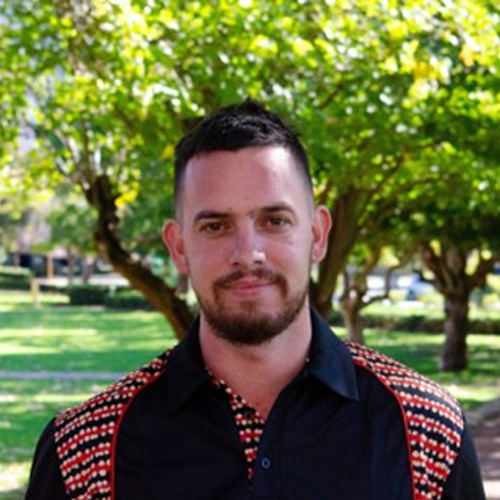
Congratulations to Indigenous genomics researcher Dr Justine Clark, who is one of two scientists nationally to receive the Australian Academy of Science’s 2024 Aboriginal and Torres Strait Islander Science Award.

Differential allelic representation (DAR) identifies candidate eQTLs and improves transcriptome analysis

In comparisons between mutant and wild-type genotypes, transcriptome analysis can reveal the direct impacts of a mutation, together with the homeostatic responses of the biological system. Recent studies have highlighted that, when the effects of homozygosity for recessive mutations are studied in non-isogenic backgrounds, genes located proximal to the mutation on the same chromosome often appear over-represented among those genes identified as differentially expressed.