
Search
During the coronavirus disease 2019 (COVID-19) pandemic, the infodemic has been highly visible. Vaccine-related advice and evidence-based guidelines for breastfeeding women have lagged, and, at times have been contradictory and confusing. Breastfeeding is an important public health issue with long-lasting health benefits for infants and mothers.
Individuals with fetal alcohol spectrum disorder (FASD) are at an elevated suicide risk compared with those in the general population. This public health issue warrants further research attention to help inform the development of prevention and intervention efforts. Our study is the first to characterize suicidality (i.e., suicidal ideation/suicide attempt) and explore associated risk factors in young individuals with FASD within the Australian context.
To improve early intervention and personalise treatment for individuals early on the psychosis continuum, a greater understanding of symptom dynamics is required. We address this by identifying and evaluating the movement between empirically derived attenuated psychotic symptomatic substates-clusters of symptoms that occur within individuals over time.
Evidence-based recommendations exist for early discharge (before 48 h) of young infants with fever without source (FWS) at low risk of serious bacterial infections (SBIs). However, concerns regarding the applicability of international data to local contexts may hinder implementation. We aimed to describe the local epidemiology of FWS and evaluate a newly implemented risk-stratification guideline to support practice change.
General practice-based care for Australian children is facing low levels of clinical guideline adherence particularly in three key areas: asthma, type 1 diabetes and antibiotic use. We offer an implementation science-informed position paper, providing a broad overview of how we aim to address this issue.

Research that screens novel genetic variants identified in disease will be fast-tracked by a funding boost, offering new hope of an early diagnosis for families of children with a rare or undiagnosed genetic disease.
Rachel Foong BSc (hons), PhD, MBiostat Honorary Research Associate 08 6319 1626 Rachel.Foong@thekids.org.au Senior Research Fellow Dr Foong is an
Skin conditions most frequently encountered in paediatric practice include infections, infestations, atopic dermatitis, and acne. Skin of colour refers to skin with increased melanin and darker pigmentation, and reflects global racial and ethnic diversity. Managing skin conditions in skin of colour requires health equity nuance, which is rarely explicitly taught.
Social motivation is posited as a key factor in the expression of the autism phenotype. However, lack of precision in both conceptualization and measurement has impeded a thorough understanding of its diverse presentation and associated outcomes. This study addresses this gap by identifying subgroups of autism characterized by deficits in distinct facets of social motivation, relative to normative benchmarks.
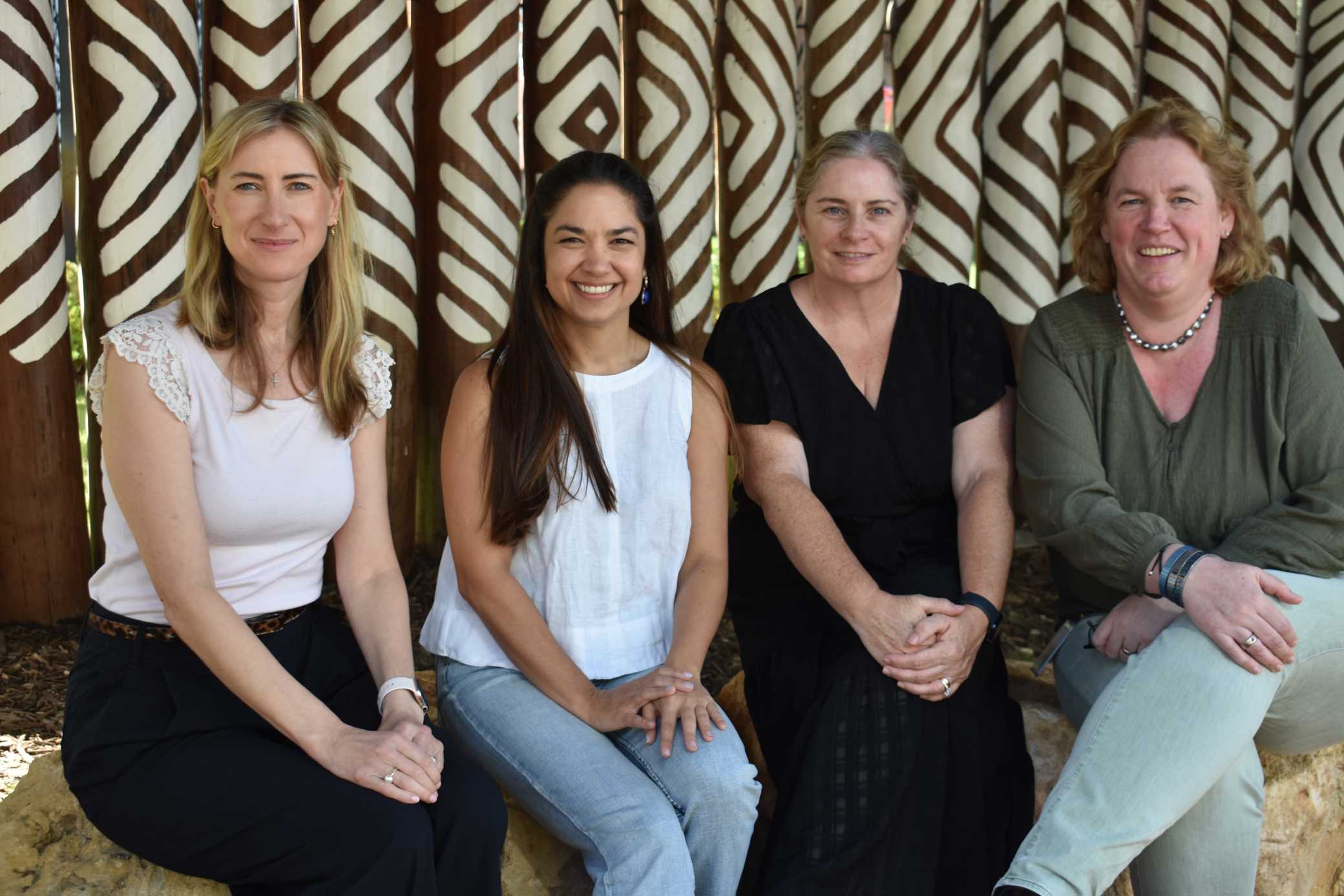
A collaborative study between UWA, Perth Children’s Hospital, The Kids and advocacy and support group Down Syndrome WA, has identified the top priorities, according to patients and carers, for clinical care and research for children with the genetic cond