
Search
Bullying is now regarded as a health problem and not just a disciplinary problem. Increasing evidence shows both traditional bullying (e.g. hitting, teasing) and cyberbullying have lasting effects on young people (both those who bully and those who are bullied), including damage to self-esteem, academic results and mental health.
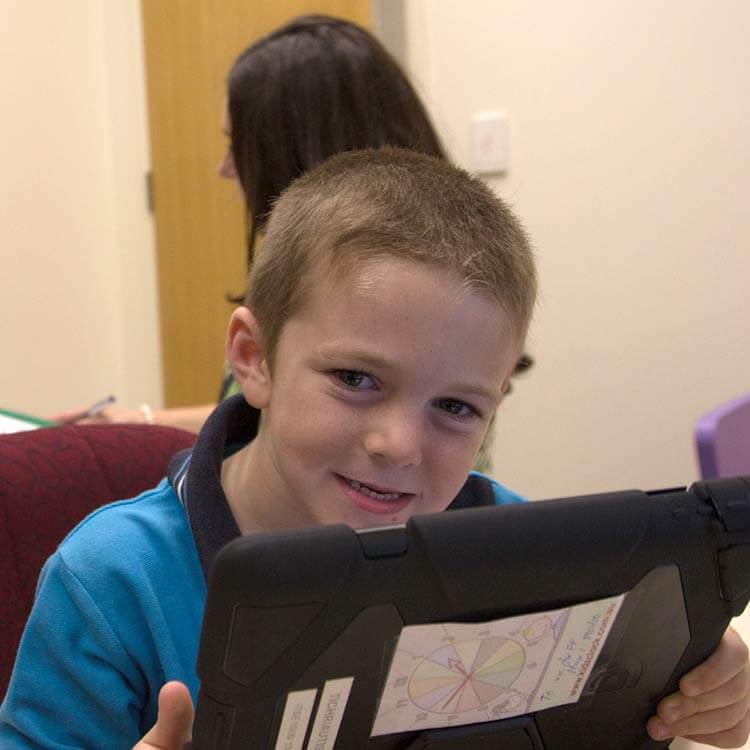
The MINERvA Network will allow more accurate and precise determination of the contributions of familial and environmental factors to the etiology of autism.
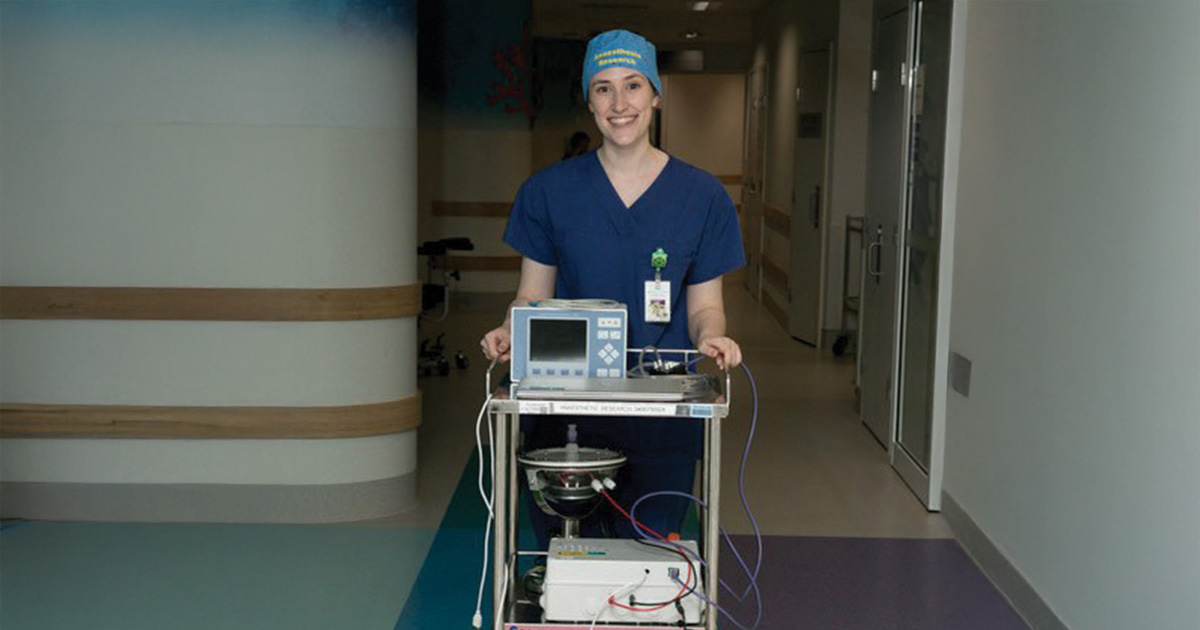
When kids are having surgery, the most common problem that can occur during anaesthesia is a respiratory adverse event.
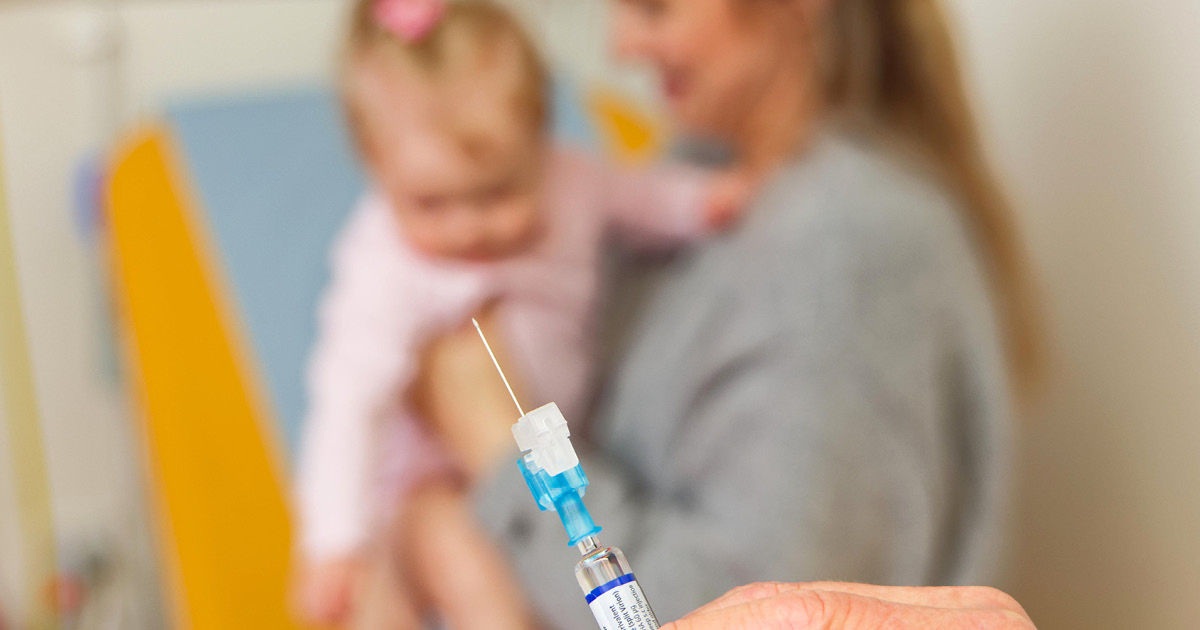
As a leading research site in Australia, the Wesfarmers Centre of Vaccines and Infectious Diseases played an instrumental role in the global effort to develop a world-first RSV immunisation for young babies.
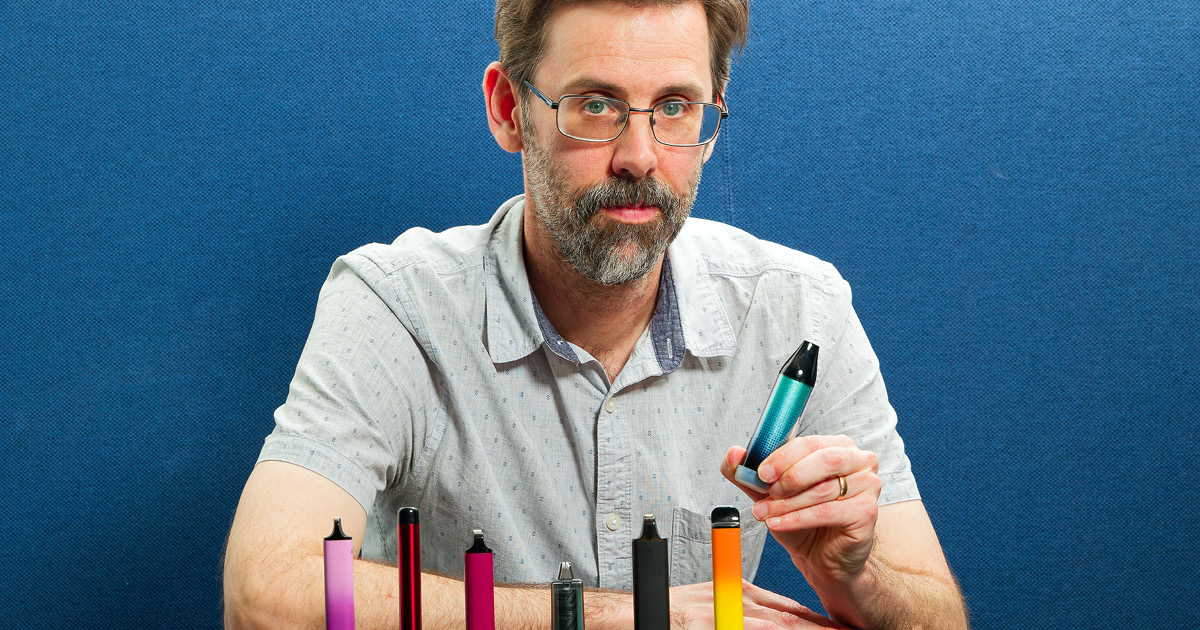
Formative research undertaken by The Kids Research Institute Australia has helped inform tough new laws introduced by the Federal Government to reduce the harm caused by vapes.
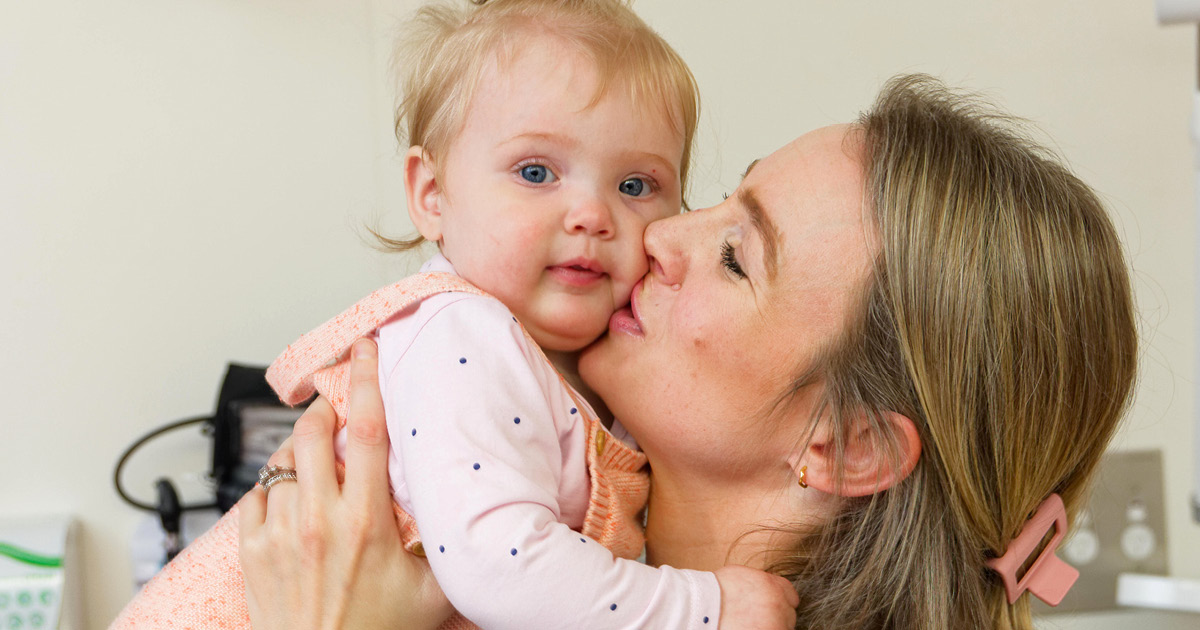
Prevention of respiratory syncytial virus (RSV) is now a real possibility thanks to the rollout of an immunisation program backed by a decade’s worth of epidemiological research led by The Kids Research Institute Australia.
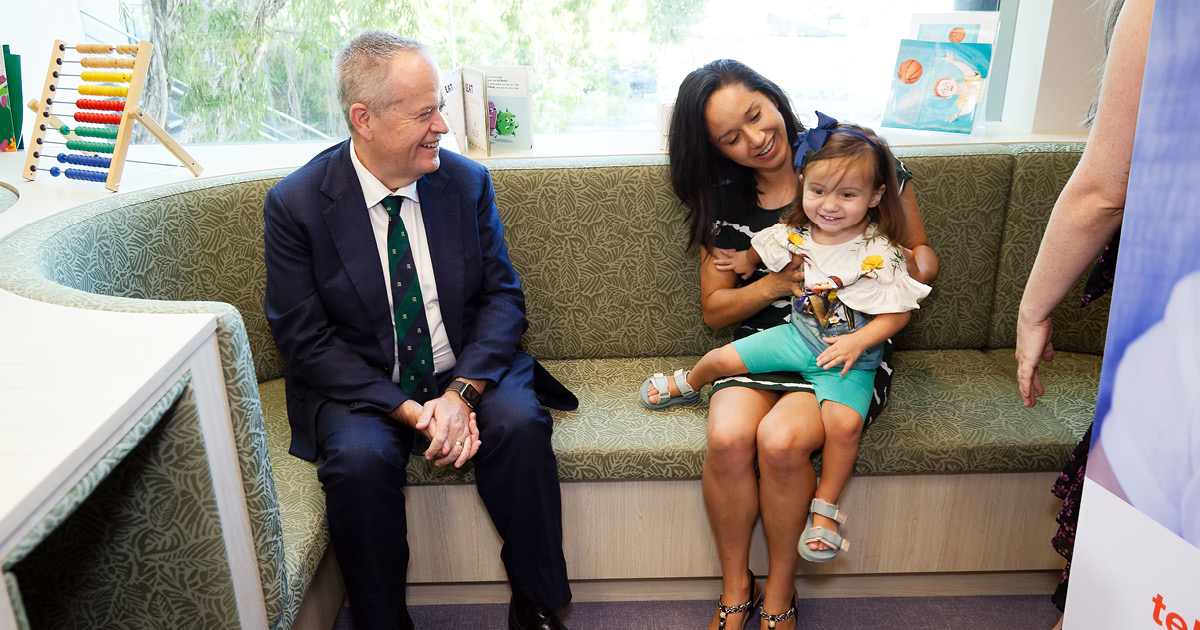
A world-first program for babies with differences in their social and communication skills is aiming to help parents and caregivers better understand the different ways their child communicates.
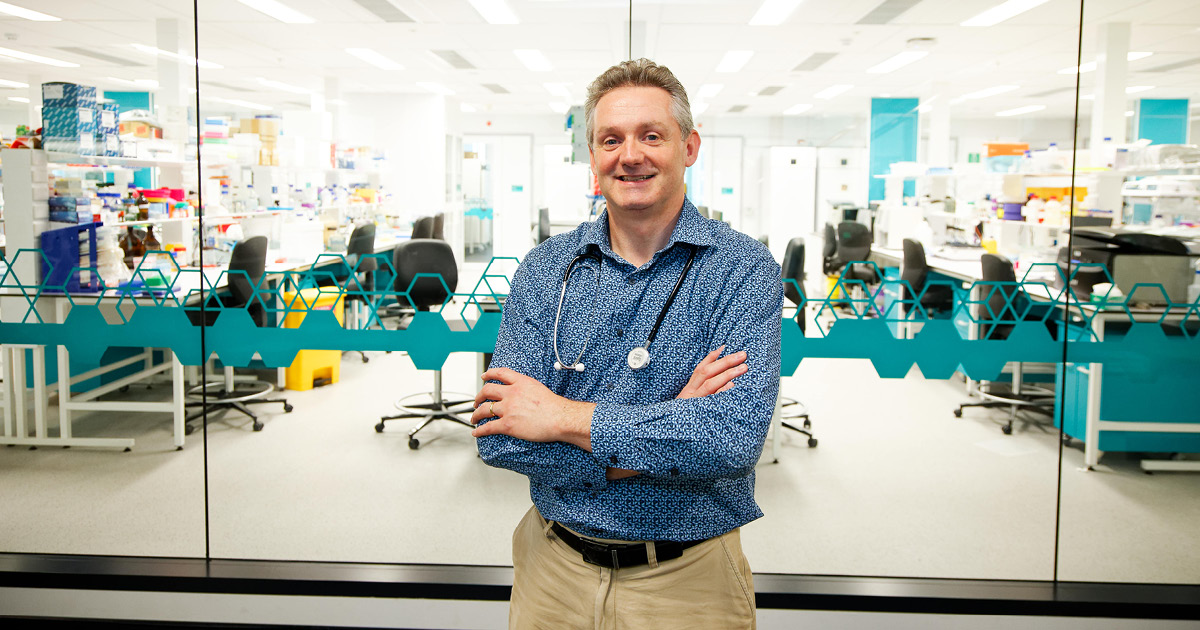
Australian children diagnosed with a brain tumour now have a better chance of accessing the best treatment for their disease thanks to a trans-Tasman collaboration spearheaded by The Kids Research Institute Australia cancer researcher Professor Nick Gottardo.
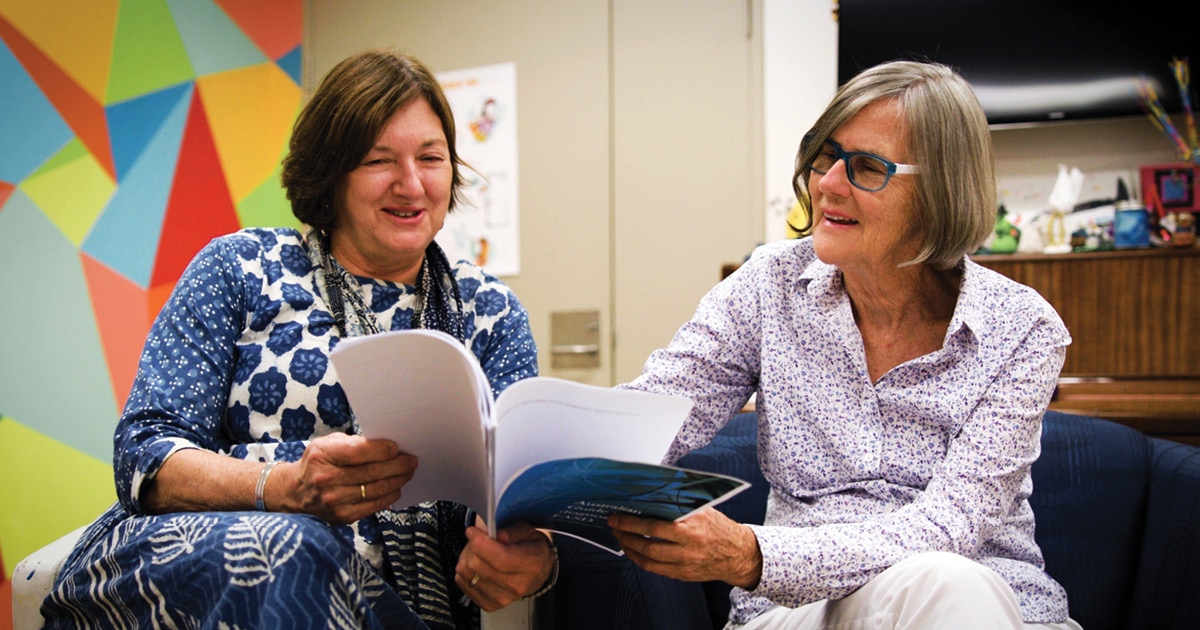
A website providing the latest research and resources on Fetal Alcohol Spectrum Disorder (FASD) is helping parents, educators, health professionals and policy makers navigate the complexities of the neurodevelopmental impairment condition.
On this Research Impact page, we list stories helping demonstrate how we collaborate with other leaders, innovators, communities, and international stakeholders to ensure excellent research results. The better our results, the better the chances of research making a real difference.