
Search
Skin conditions most frequently encountered in paediatric practice include infections, infestations, atopic dermatitis, and acne. Skin of colour refers to skin with increased melanin and darker pigmentation, and reflects global racial and ethnic diversity.
Over 5 days, 120 schoolchildren from two schools in the remote Kimberley region of Australia were screened for Strep A pharyngitis. Molecular point-of-care testing identified Strep A pharyngitis in 13/18 (72.2%) symptomatic children. The portability and feasibility of molecular point-of-care testing was highly practical for remote settings.
Skin health is widely recognised as being important for overall good health and well-being, yet the burden of skin infections in remote Aboriginal communities remains high. This project aimed to explore if virtual support for skin health could be a strategy to reduce community barriers to skin health engagement.
Aboriginal children and families contend with higher rates of preventable infectious diseases that can be attributed to their immediate living environment. The environments in which children spend most of their time are their homes and schools. We aimed to understand the opportunities in the school setting to support student skin health and wellbeing through environmental health activities, how these activities were completed, and the barriers to their implementation.
Asha Brad Glenn Jonathan Marianne Tim Bowen Farrant Pearson Carapetis AM Mullane Barnett BA MBBS DCH FRACP PhD GAICD FAHMS OAM BSc (Hons), PhD BA (
The DETECT-Schools Study was launched in May 2020 as a partnership between the WA Government Departments of Education and Health with The Kids Research Institute Australia.
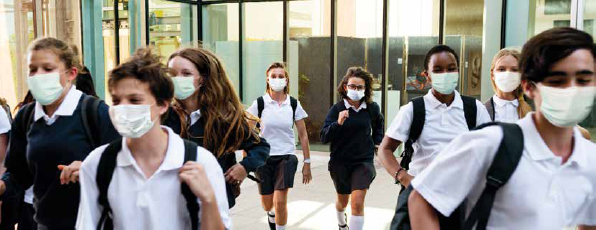
The Kids Research Institute Australia researchers went into 79 WA primary and secondary schools in 2020.

Our Child Health Analytics Team uses cutting-edge technologies to better understand how and why the health and wellbeing of children varies from place to place. We develop innovative geospatial methods that can harness large, complex datasets to pinpoint hotspots of elevated risk, evaluate change through time, and explore underlying drivers.
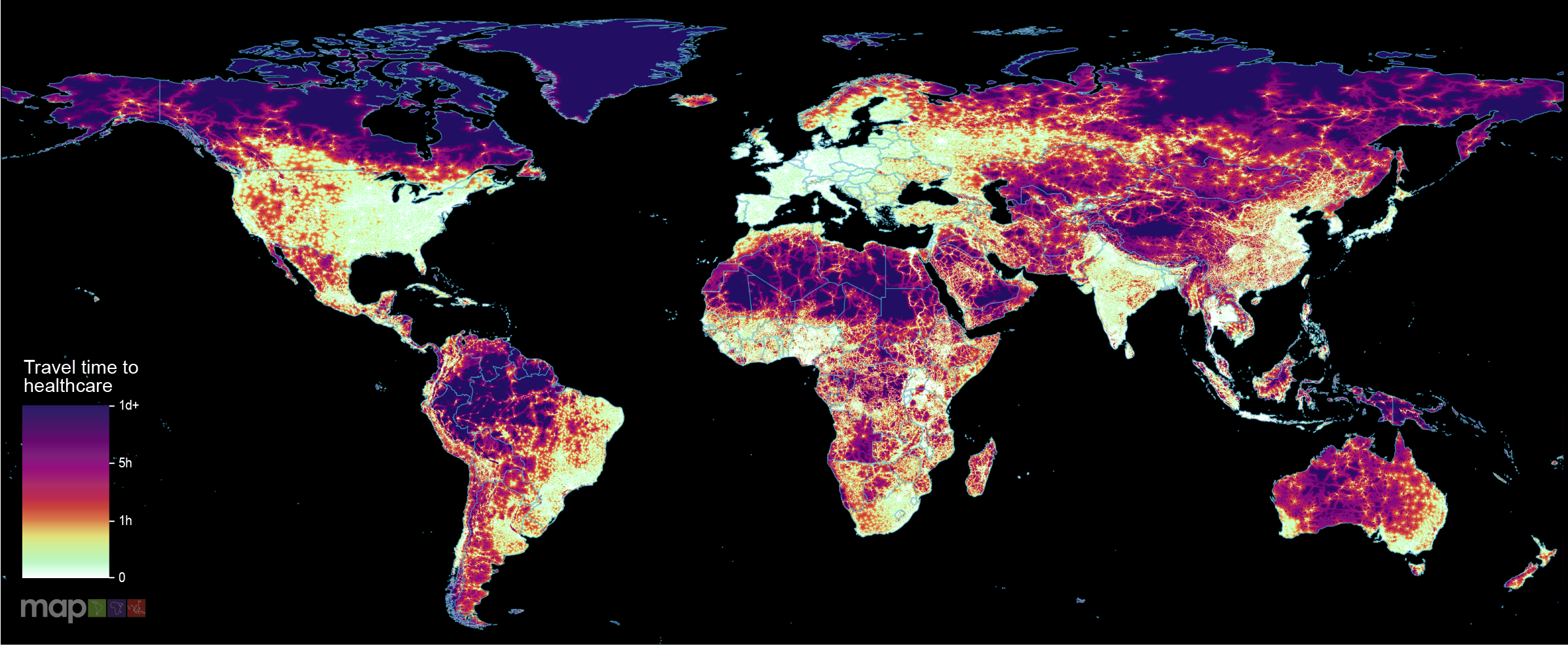
New research which maps the entire global population’s travel time to their nearest healthcare facility has revealed major inequalities in access to healthcare depending on whether people have access to motorised transport or not.
A regional corner of Africa is a hotspot for cases of HIV, tuberculosis and malaria, prompting researchers to call for targeted health support rather than a national response.