
Search
The Kids Research Institute Australia's annual report highlights the accomplishments of our researchers, furthering our mission to secure a happier, healthier future for kids everywhere.
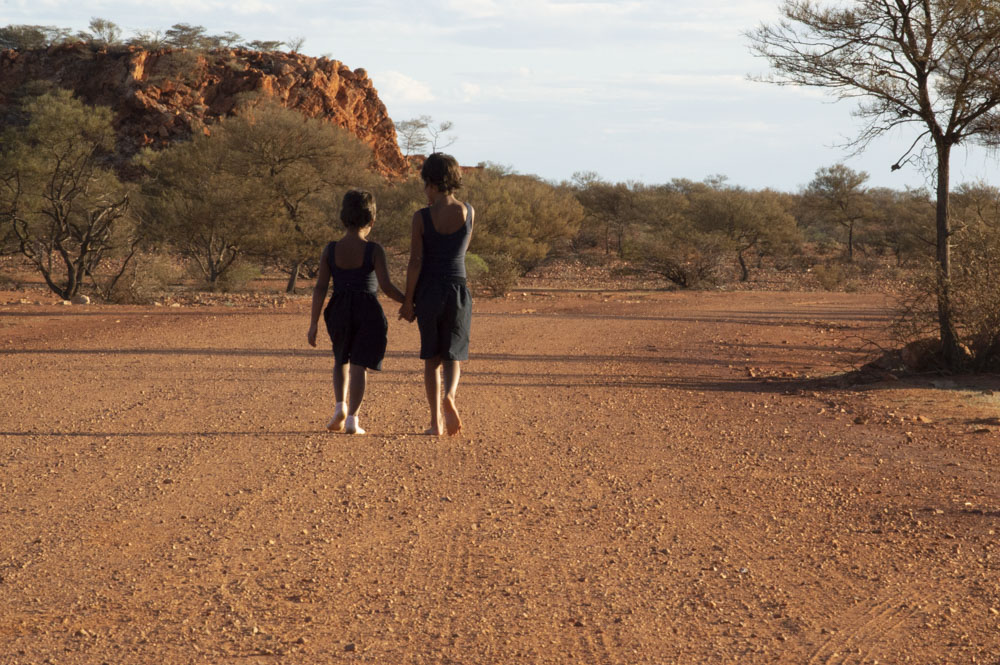
Children at risk of potentially life-threatening Strep A infections no longer have to wait five days for timely treatment, thanks to a The Kids Research Institute Australia study conducted in the remote Kimberley region of Western Australia.
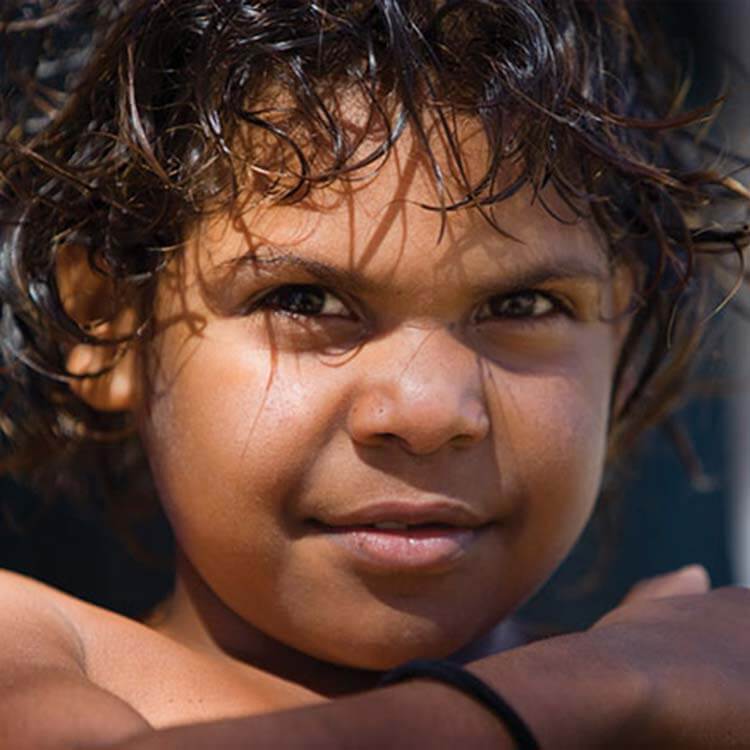
Thanks to a $1 million funding grant, Dr Asha Bowen from The Kids Research Institute Australia is on track to change Aboriginal children's skin infection statistics.
The Australian and New Zealand Paediatric Infectious Diseases (ANZPID) Group of the Australasian Society for Infectious Diseases (ASID) calls for urgent consideration of the needs and voices of children in response to the COVID-19 pandemic, and in planning for future pandemics.
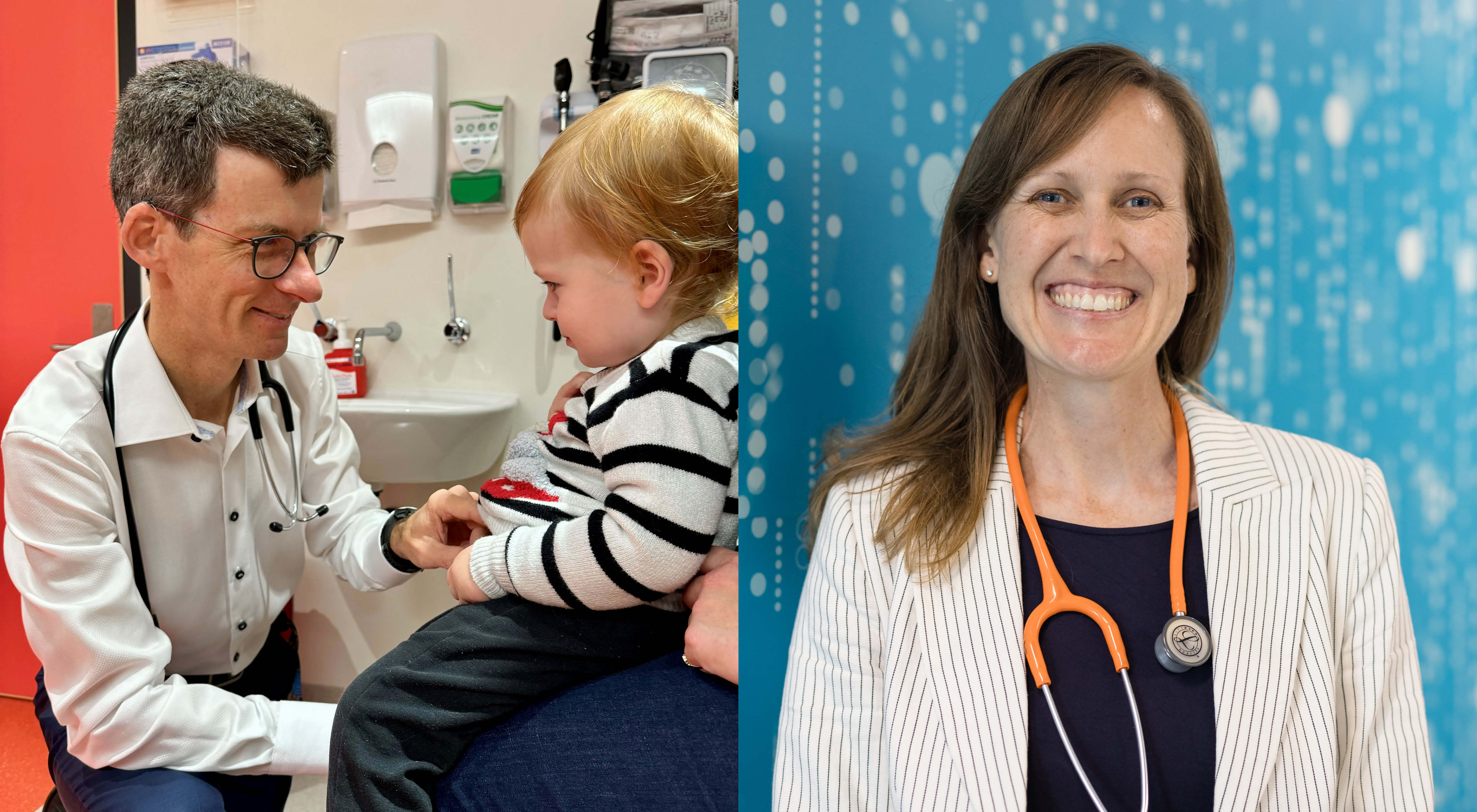
Two Perth clinician-scientists have been recognised as national leaders in infectious disease research after being elected as Fellows of the esteemed Australian Academy of Health and Medical Sciences.
Staphylococcus aureus bloodstream infection is traditionally treated with at least 2 weeks of intravenous antibiotics in adults, 3-7 days in children, and often longer for those with complicated disease. The current practice of treating S. aureus bacteremia with prolonged IV antibiotics (rather than oral antibiotics) is based on historical observational research and expert opinion. Prolonged IV antibiotic therapy has significant disadvantages for patients and healthcare systems, and there is growing interest in whether a switch to oral antibiotics following an initial period of IV therapy is a safe alternative for clinically stable patients.
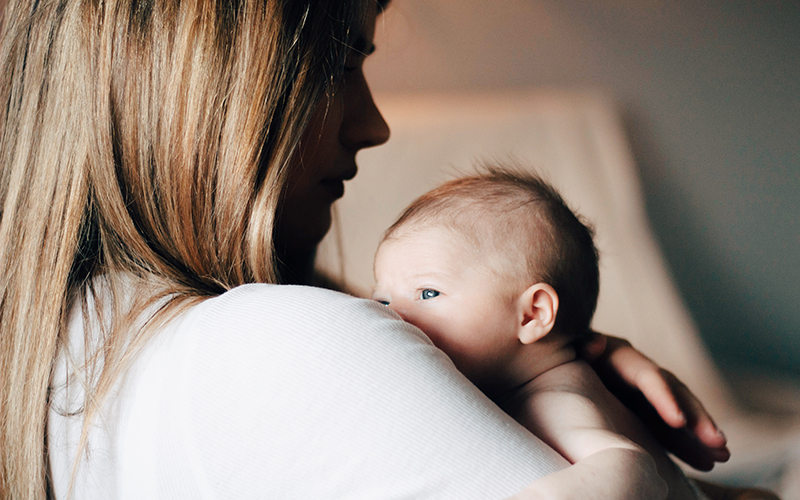
Western Australian researchers advocate for a national newborn screening program for congenital CMV to prevent hearing loss and related disabilities in infants.
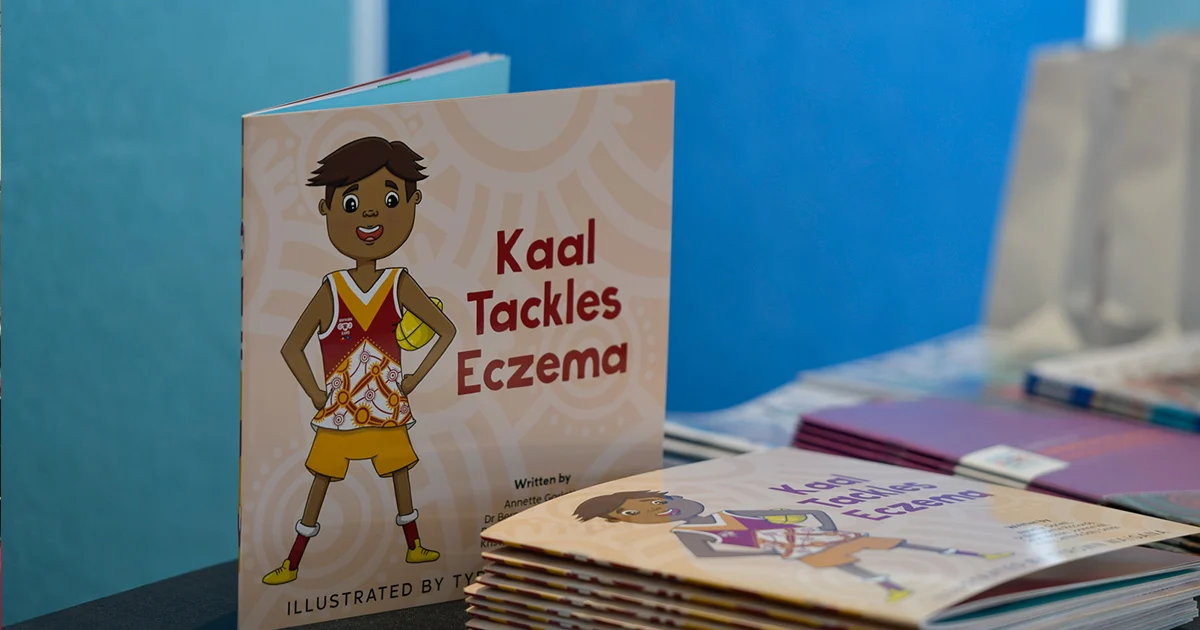
In close partnership with Aboriginal Elders and community members in Western Australia's south-west, we created ‘Kaal Tackles Eczema’, a children’s book to help Aboriginal families manage eczema. Our research showed a high prevalence and need for culturally relevant resources. The book uses Noongar language and art to educate and reduce infections, and is available online and in schools.
Our skin, the body’s largest organ, protects us and maintains overall health. Untreated recurring skin infections like impetigo and scabies severely impact children. The Kids is at the forefront of combatting skin infections, particularly within remote Aboriginal communities experiencing some of the world’s highest rates.
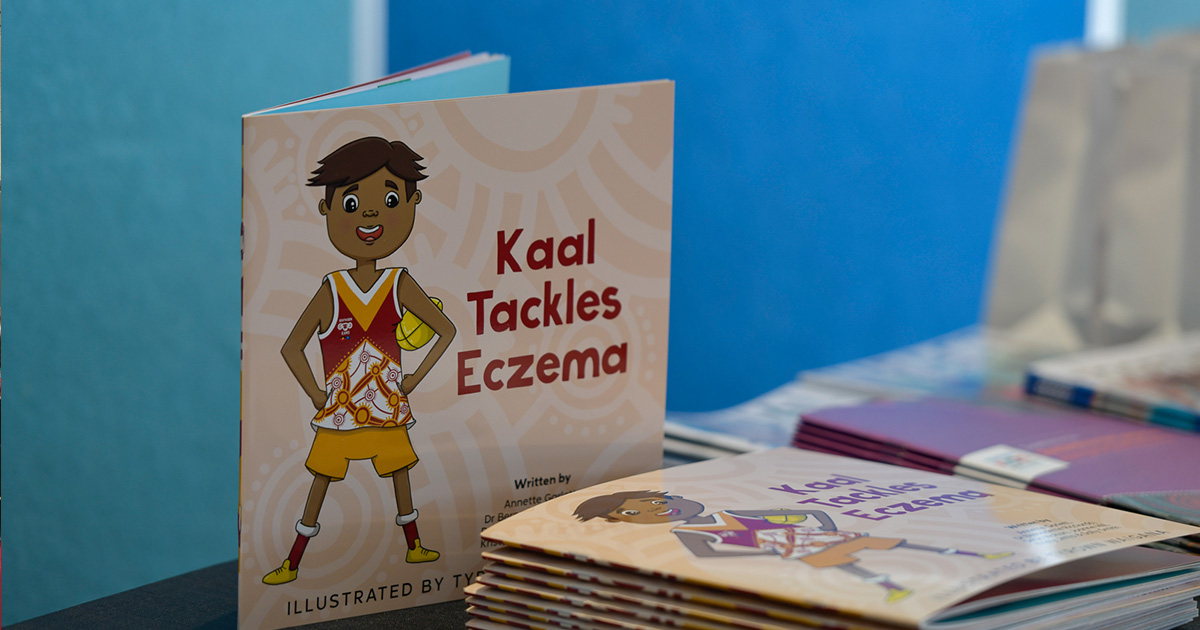
Through co-design with community members, we hope to better understand the strengths and effectiveness of community-driven health promotion resources.