
Search
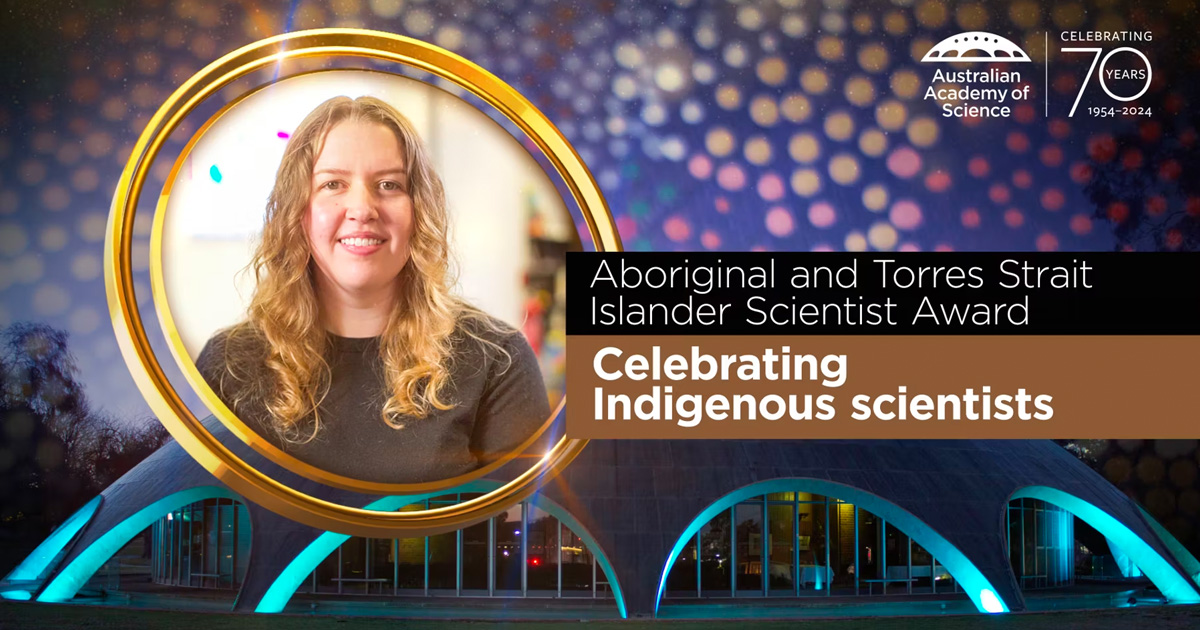
Congratulations to Indigenous genomics researcher Dr Justine Clark, who is one of two scientists nationally to receive the Australian Academy of Science’s 2024 Aboriginal and Torres Strait Islander Science Award.
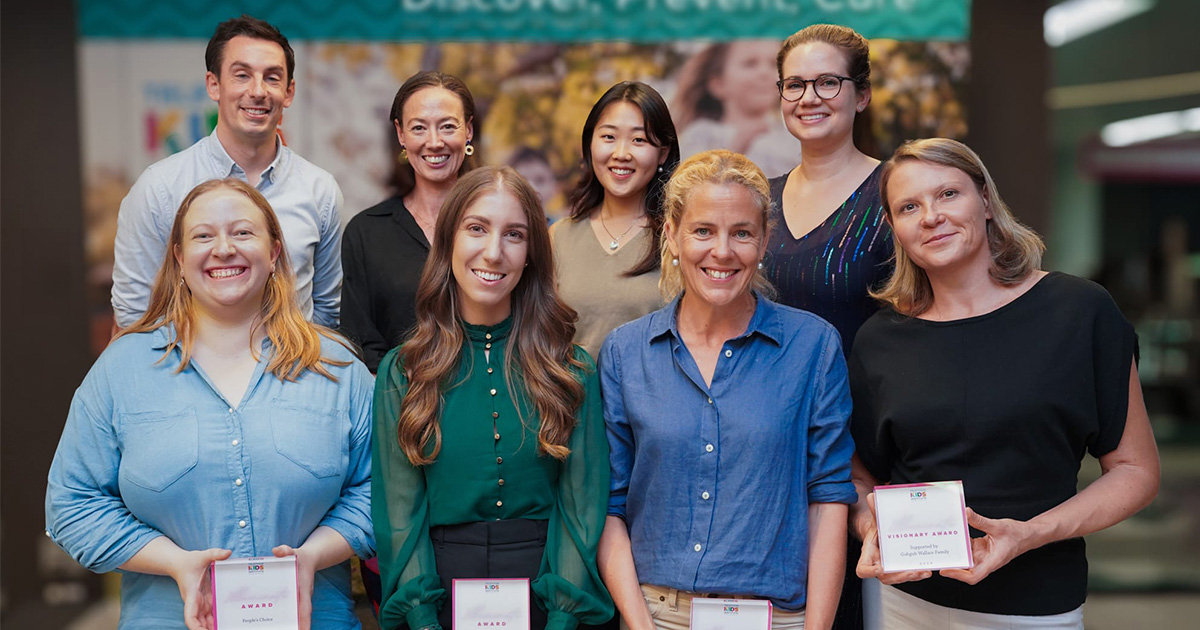
Earlier this week ten emerging researchers took to the stage to pitch their projects to a room full of excited and engaged philanthropists who share our vision of happy, healthy kids.
A world-first program for babies with delays in their social and communication skills has been launched in Western Australia, thanks to support from the National Disability Insurance Agency (NDIA).
A project to uncover treatable traits to improve the lung health of people born preterm has been made possible thanks to a $1.99 million Medical Research Future Fund (MRFF) grant.

Summer holidays are nearly over, and with that, the never-ending requests for snacks that seem to come all day, every day.

Senior Research Officer from The Kids Research Institute Australia’s Human Development and Community Wellbeing team, Robyn Johnston, says now is actually a good time to start talking to them about alcohol - before they transition to the teenage years.
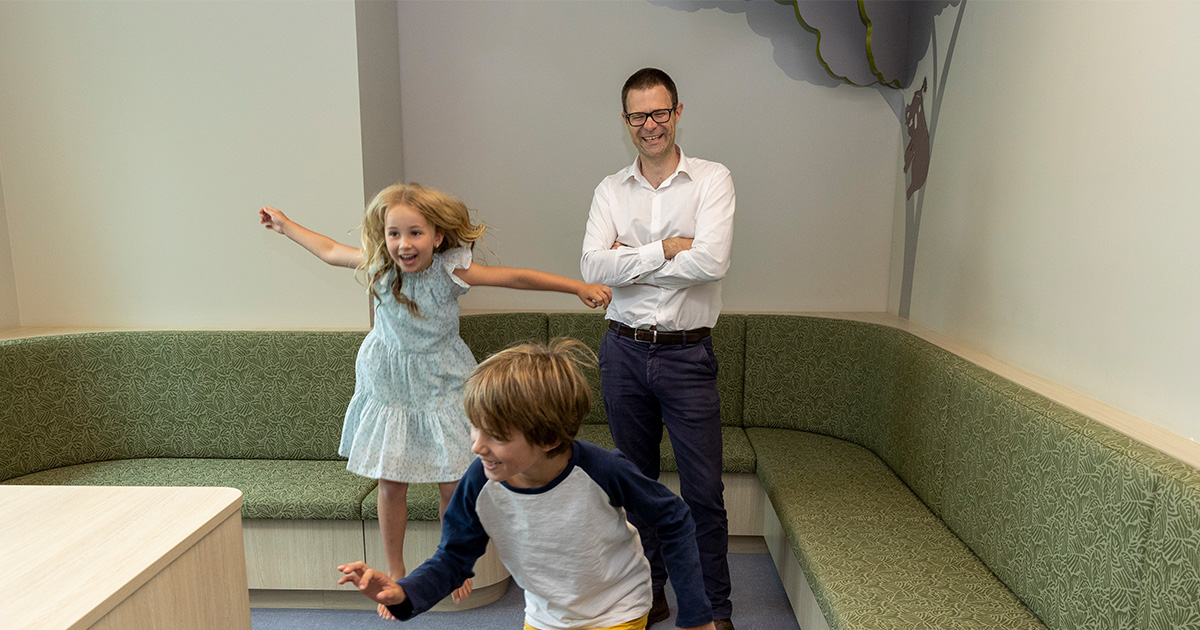
The Kids Research Institute Australia's Professor Andrew Whitehouse and Sarah Pillar share four things families can do to support their child while waiting to receive an ADHD or autism diagnostic assessment.
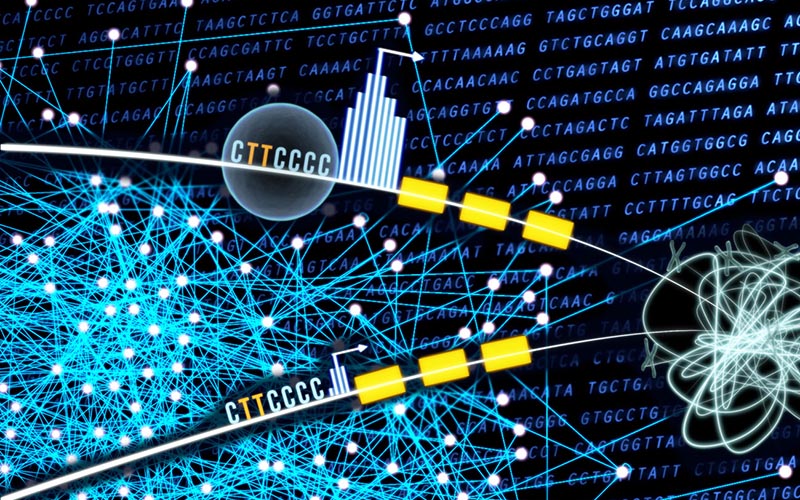
A researcher's work from 20 years ago has helped to crack one of biology’s biggest mysteries.
Catch up on the December 2023 edition of our Research News.
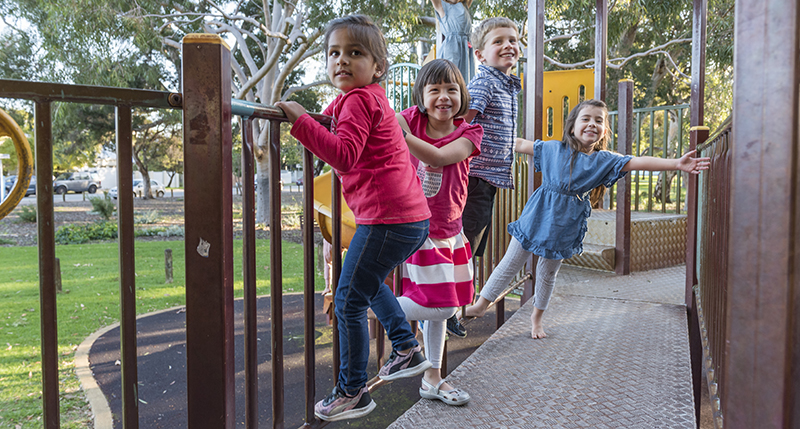
On International Day for People with Disability this Sunday, The Kids Research Institute Australia celebrates the children and families we work with in our research, as we strive for better outcomes for kids with disability.