
Search
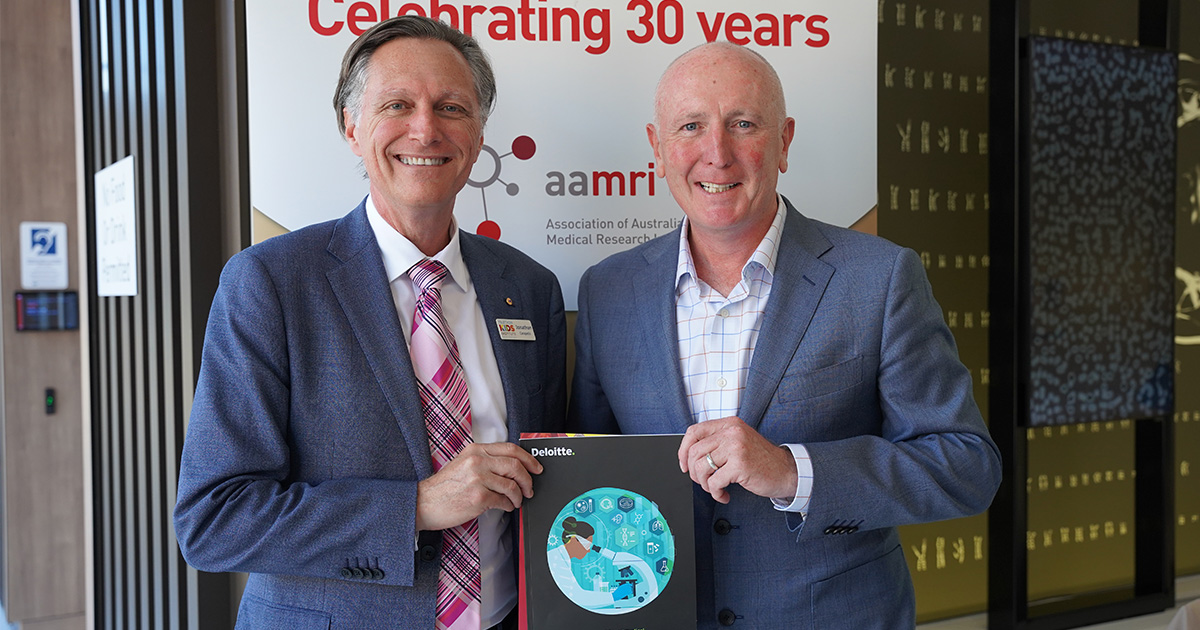
The Kids Research Institute Australia has welcomed a landmark report which reveals every dollar invested in WA’s medical research sector is more than doubled when it comes to return on investment to our economy.
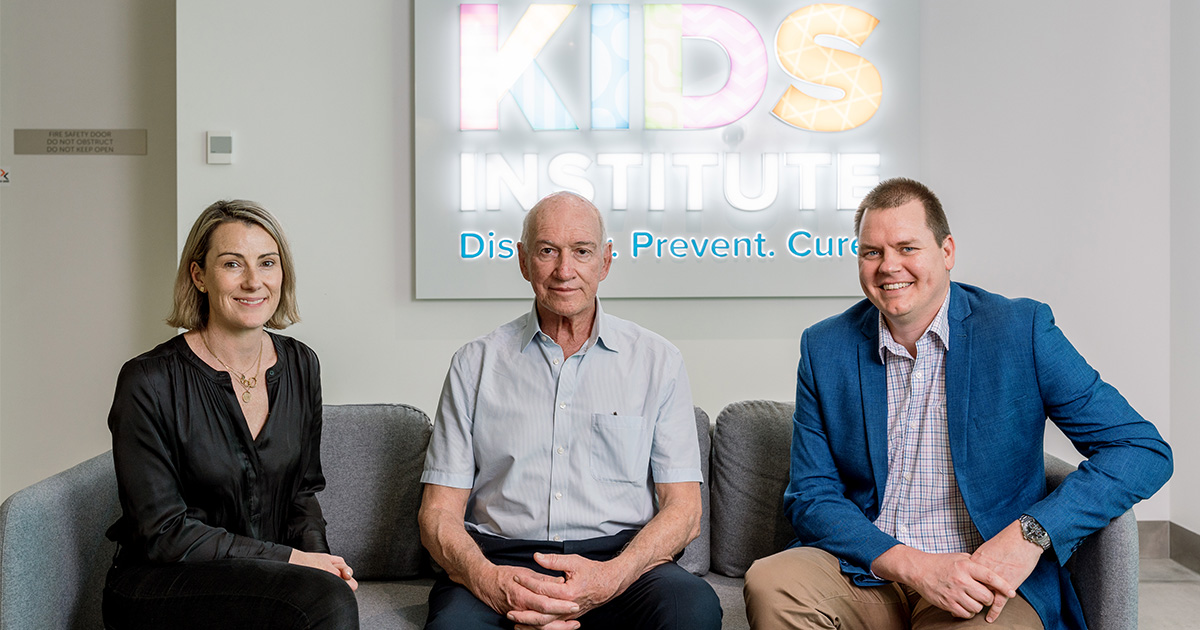
A The Kids Research Institute Australia spin-off company, Inspiring Holdings Pty Ltd (Inspiring), has been announced as winner of the Wesfarmers Wellbeing Platinum Award in the prestigious WA Innovator of the Year awards for their novel Universal Spacer System – a device which improves the delivery of inhaled dru
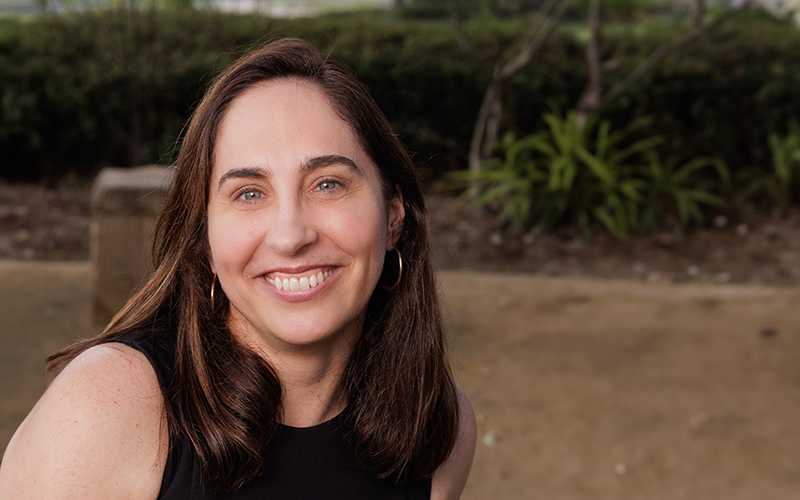
The Kids Research Institute Australia warmly welcomes youth mental health researcher Associate Professor Kathryn Modecki.
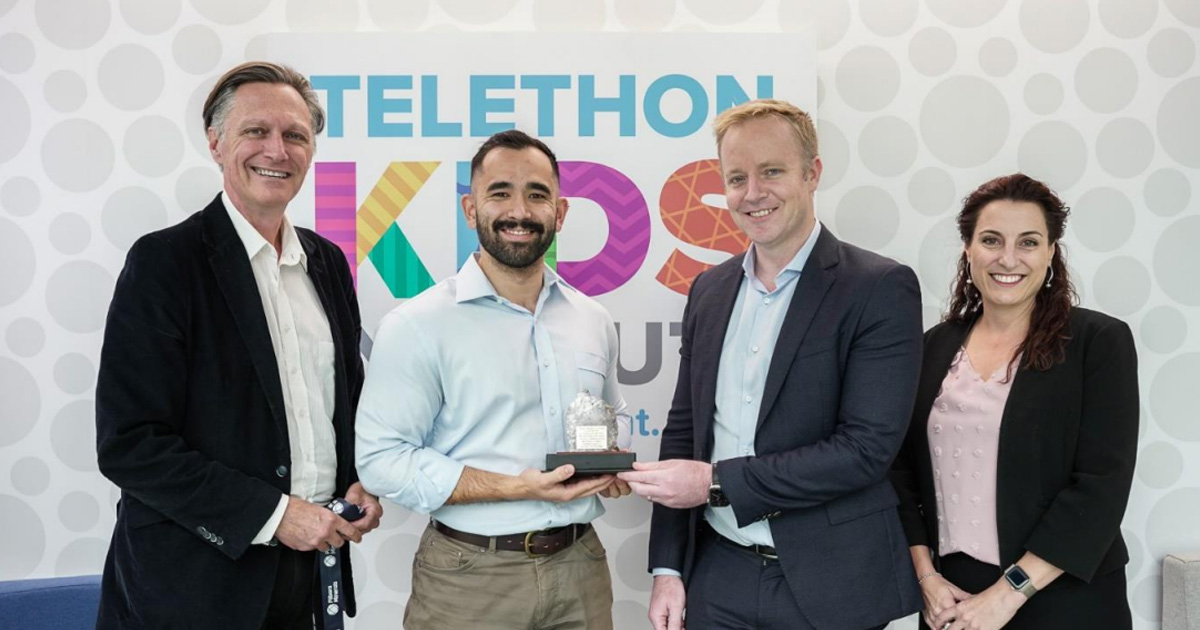
An innovative and impactful three-year research partnership between Pilbara Minerals and The Kids Research Institute Australia has been established to support the mental health and wellbeing of fly-in fly-out (FIFO) workers and their families.
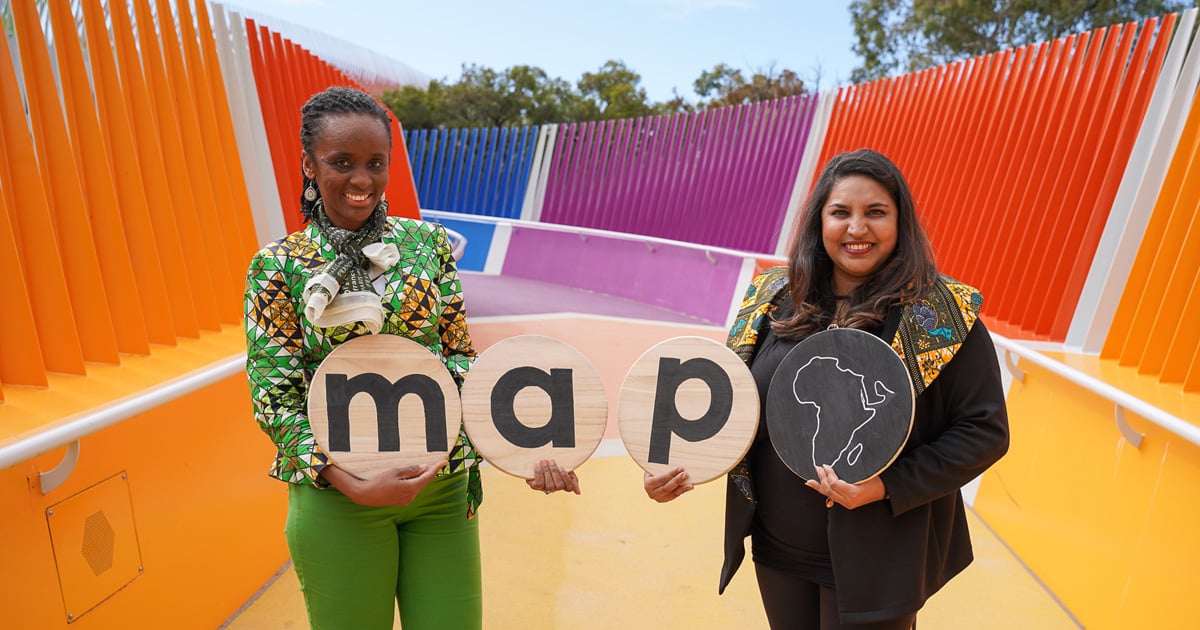
The Malaria Atlas Project (MAP) – which houses the world’s largest malaria database and is at the forefront of efforts to track and tackle the disease – has been awarded more than $16 million by the Bill & Melinda Gates Foundation.
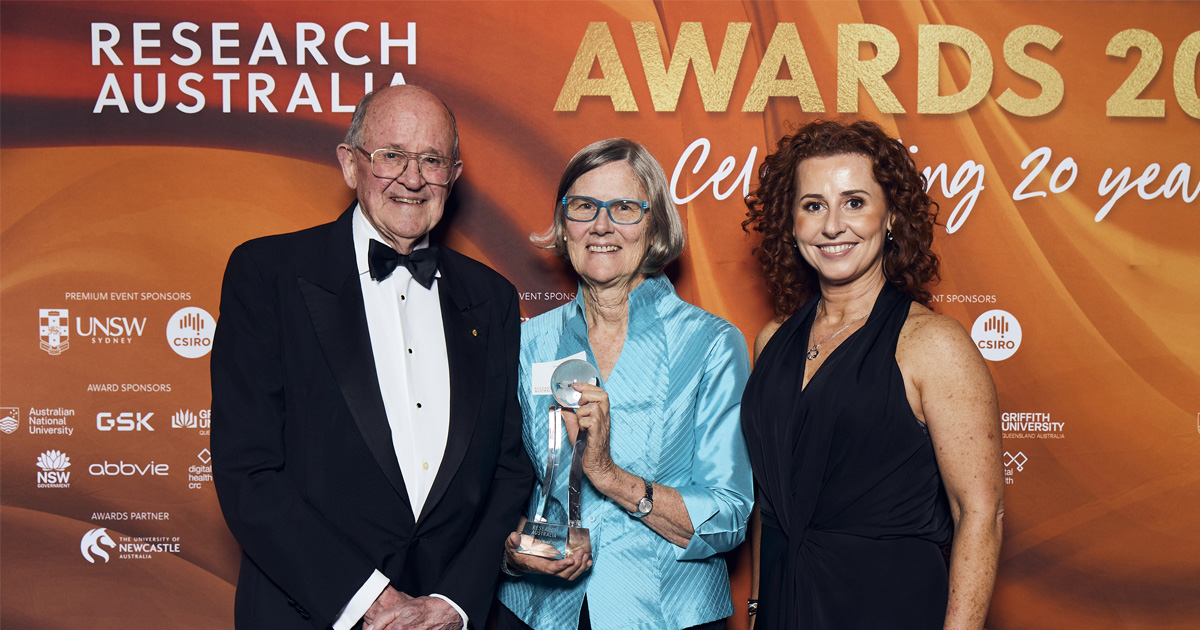
One of The Kids Research Institute Australia’s most influential researchers, who has played a seminal role in birth defect research and advocacy over a four-decade career, has won the Peter Wills Medal – the Australian research community’s flagship award.
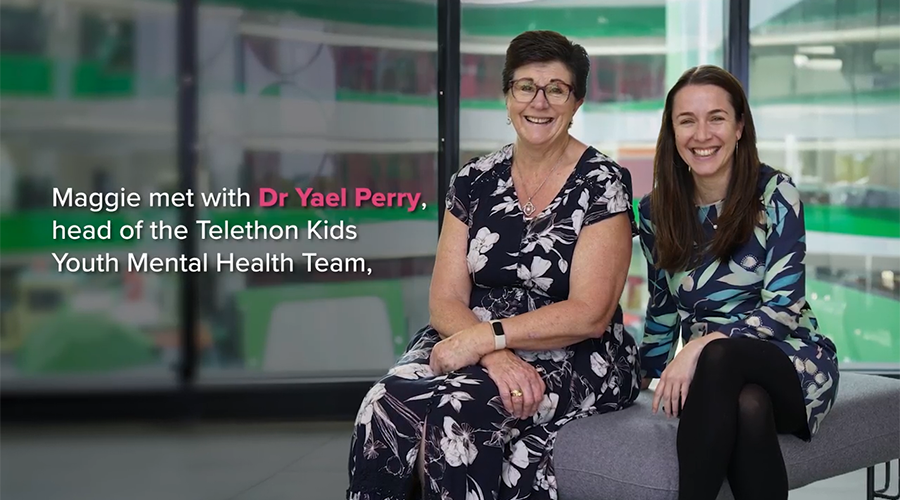
We were delighted to have Australia’s best-known parenting author, Maggie Dent, back at The Kids Research Institute Australia this week, to talk about the mental health of our teenagers.

Four The Kids Research Institute Australia researchers have received prestigious fellowships and four significant cohort studies led or co-led by The Kids have received key grants under two new funding programs supported by the State Government’s Future Health Research and Innovation (FHRI) Fund.
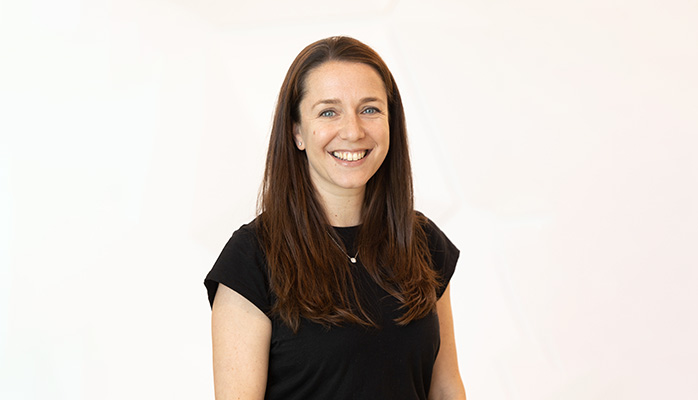
Congratulations to Head of Youth Mental Health at The Kids Research Institute Australia, Dr Yael Perry, who has received a Telstra Health 2023 Brilliant Women in Digital Health Award in recognition of her innovative use of technology to achieve positive mental health outcomes for marginalised young people.
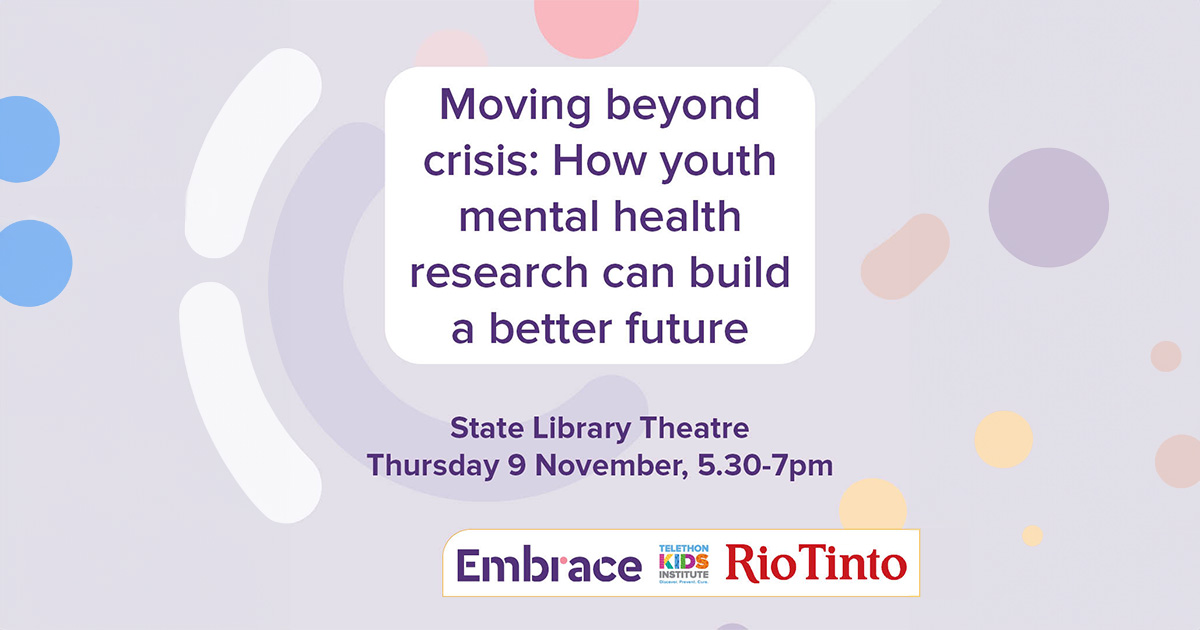
On the 9th of November from 5:30 to 7:30pm, Embrace @ The Kids Research Institute Australia, in partnership with Rio Tinto, invites you to a free public panel discussion on permacrisis and the mental health of young people.