
Search
A game-changing approach to autism support that aims to have all autistic kids in Western Australia able to communicate effectively by school entry has received more than $11 million in funding.
Australia's RSV Maternal and Infant Protection Program is delivering strong protection for babies, with new research from The Kids Research Institute Australia showing RSV vaccination given during pregnancy reduces the risk of RSV-related hospitalisation by more than 80 per cent during an infant's first six months
Every big discovery starts with a small seed of curiosity.
Professor Ryan Lister and Associate Professor Timo Lassmann are celebrating their success in being awarded $6M in the Medical Research Future Fund 2026 National Critical Research Infrastructure (MRFF NCRI) scheme.
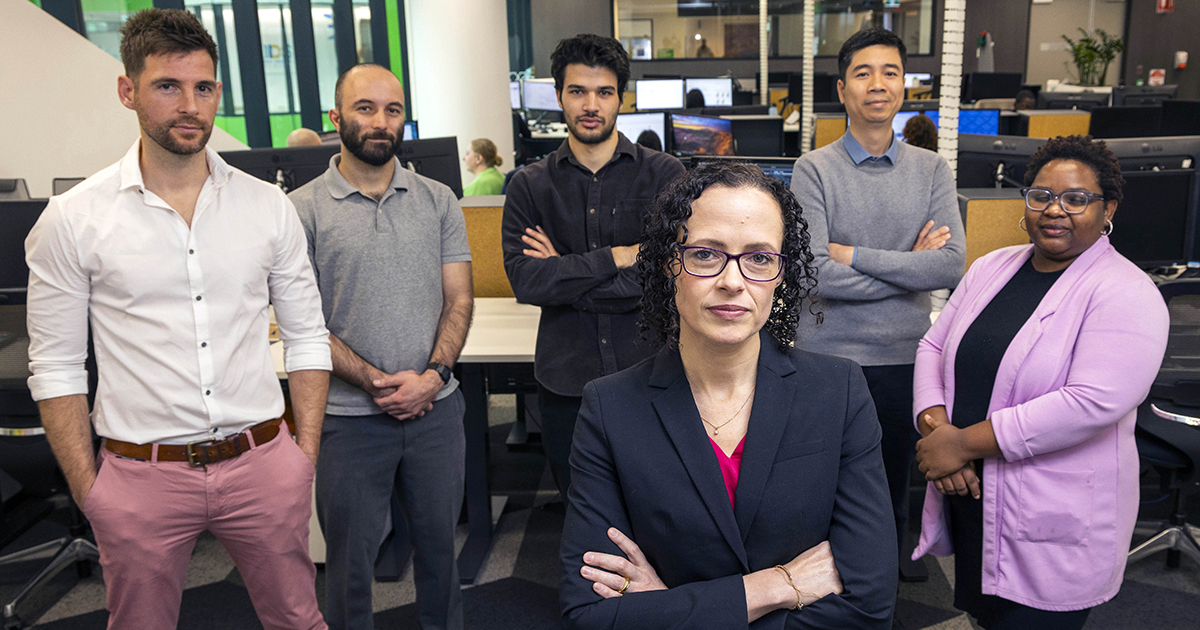
A USD $3.25 million international grant will see researchers from The Kids Research Institute Australia and The University of Western Australia play a pivotal role in accelerating the development of next-generation malaria vaccines, helping protect children from one of the world's deadliest infectious diseases.

Six scientists from The Kids Research Institute Australia have been named finalists across four categories in the 2026 Premier's Science Awards.
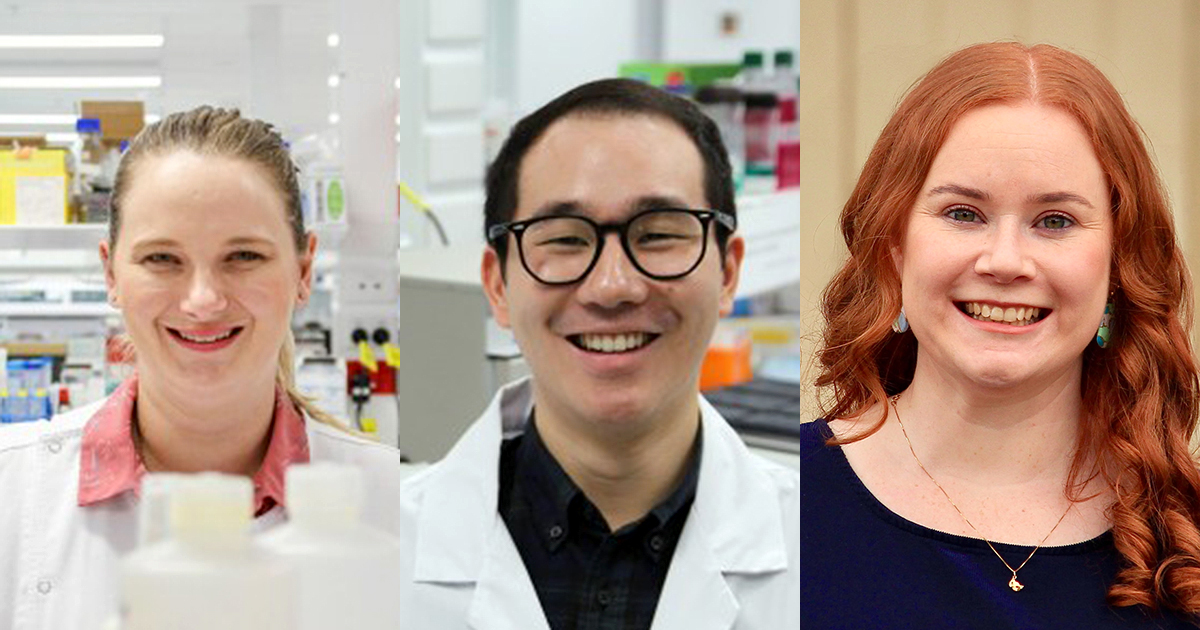
Three emerging research projects advancing the Wesfarmers Centre of Vaccines & Infectious Diseases' (WCVID) flagship research priorities have this week received a major funding boost through the latest WCVID Catalyst Grants.
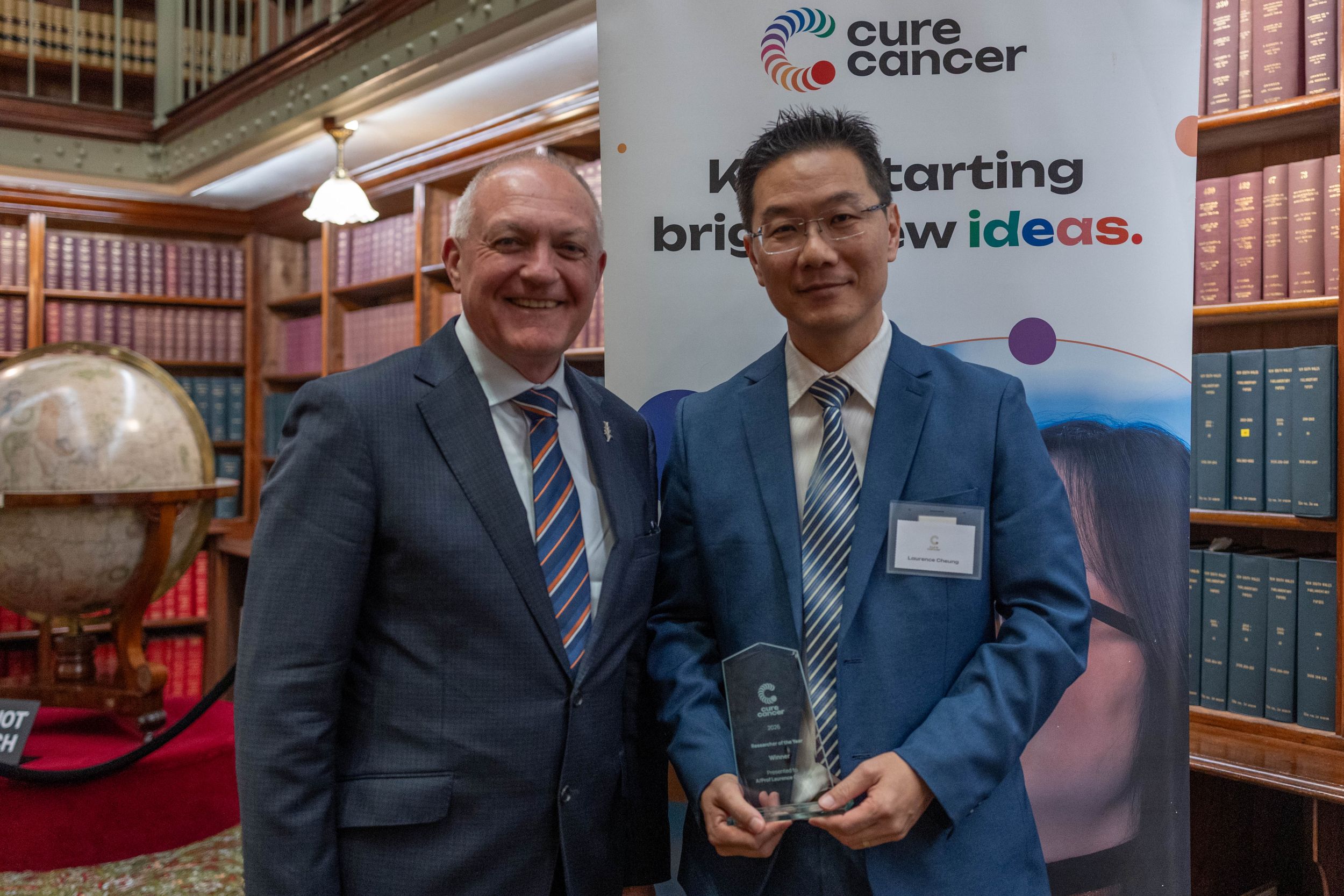
A leading WA cancer researcher has been named the Cure Cancer 2026 Researcher of the Year for his groundbreaking work in paediatric leukaemia.
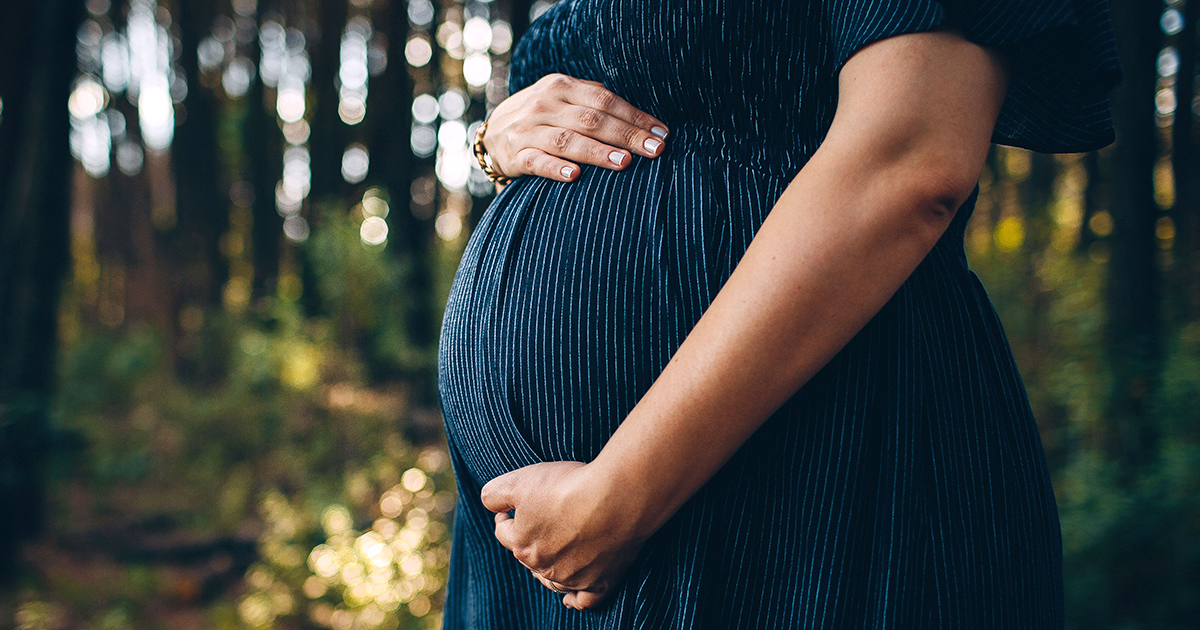
New research from The Kids Research Institute Australia suggests a simple dietary intervention during pregnancy could help protect against the increased risk of food allergies associated with antibiotics taken before birth.
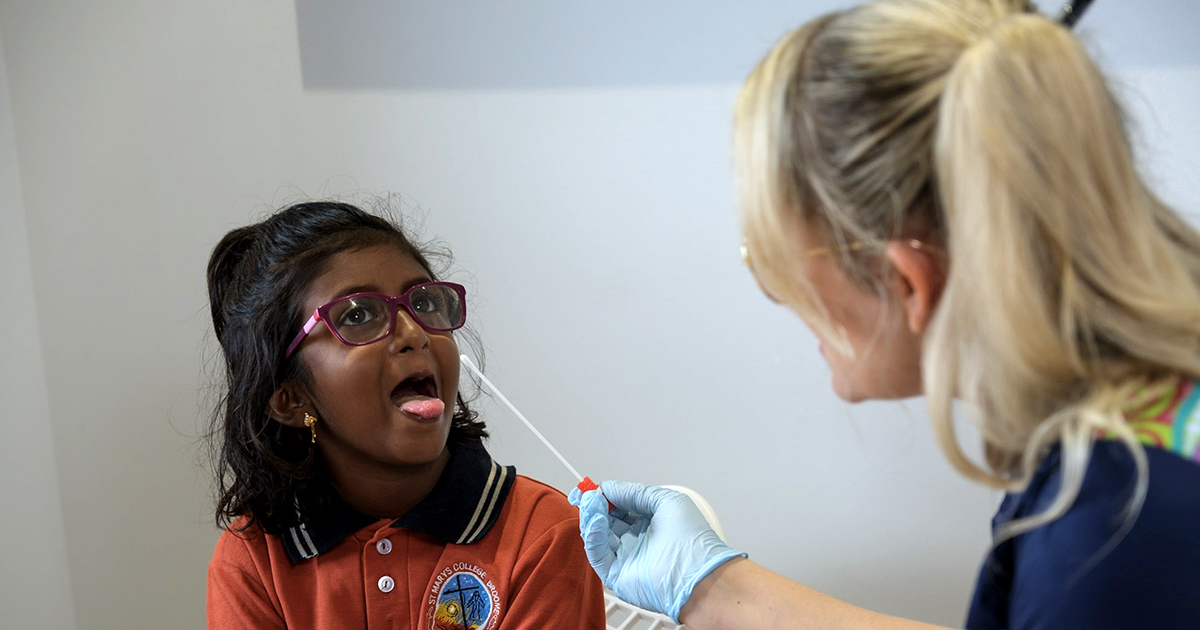
New research has revealed that molecular point-of-care testing (POCT) can significantly improve detection of Group A Streptococcal (Strep A) pharyngitis compared to laboratory culture – particularly in remote communities, where results can take up to seven days – unlocking a major opportunity to prevent rheumatic