
Search
Showing results for "clinikids"
ASD, in the context of prenatal maternal stress exposure, may be associated with a more severe phenotype, particularly when there are multiple prenatal exposures
The identification of differences in the facial phenotype of individuals with ASC may contribute to efforts to promote early identification of the condition and help elucidate etiological pathways.
This study provides the first evidence for the association between restricted and repetitive behaviors and age of attainment of early motor milestones.

Researchers at The Kids Research Institute Australia have pushed back against claims by US President Donald Trump linking paracetamol use during pregnancy to autism.
To evaluate the participation difficulties experienced by children with developmental coordination disorder in home, school, and community environments.
Intervention for individuals with autism spectrum disorder (ASD) typically commences after diagnosis. No trial of an intervention administered to infants before diagnosis has shown an effect on diagnostic outcomes to date.
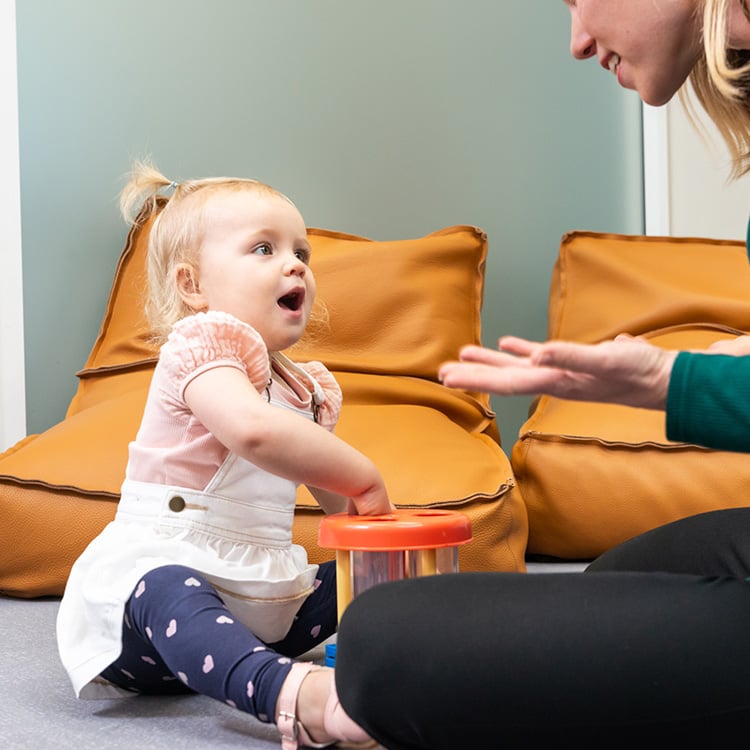
Find out about the range of Focused Therapy programs on offer at CliniKids.

Video technology is helping researchers learn more about the earliest features of autism, and in turn is helping families gain access to better interventions.
There are no well-established biomedical treatments for the core symptoms of autism spectrum disorder (ASD). A small number of studies suggest that repetitive transcranial magnetic stimulation (rTMS), a non-invasive brain stimulation technique, may improve clinical and cognitive outcomes in ASD.
These data provide the first evidence for a broad autism phenotype expressed in a physical characteristic