

Jess Reynolds
Jess Reynolds is the Program Manager at CliniKids

Rhylee Sulek
Rhylee Sulek is a Senior Research Fellow at CliniKids

Jack Brett
Jack Brett is a Research Fellow at CliniKids
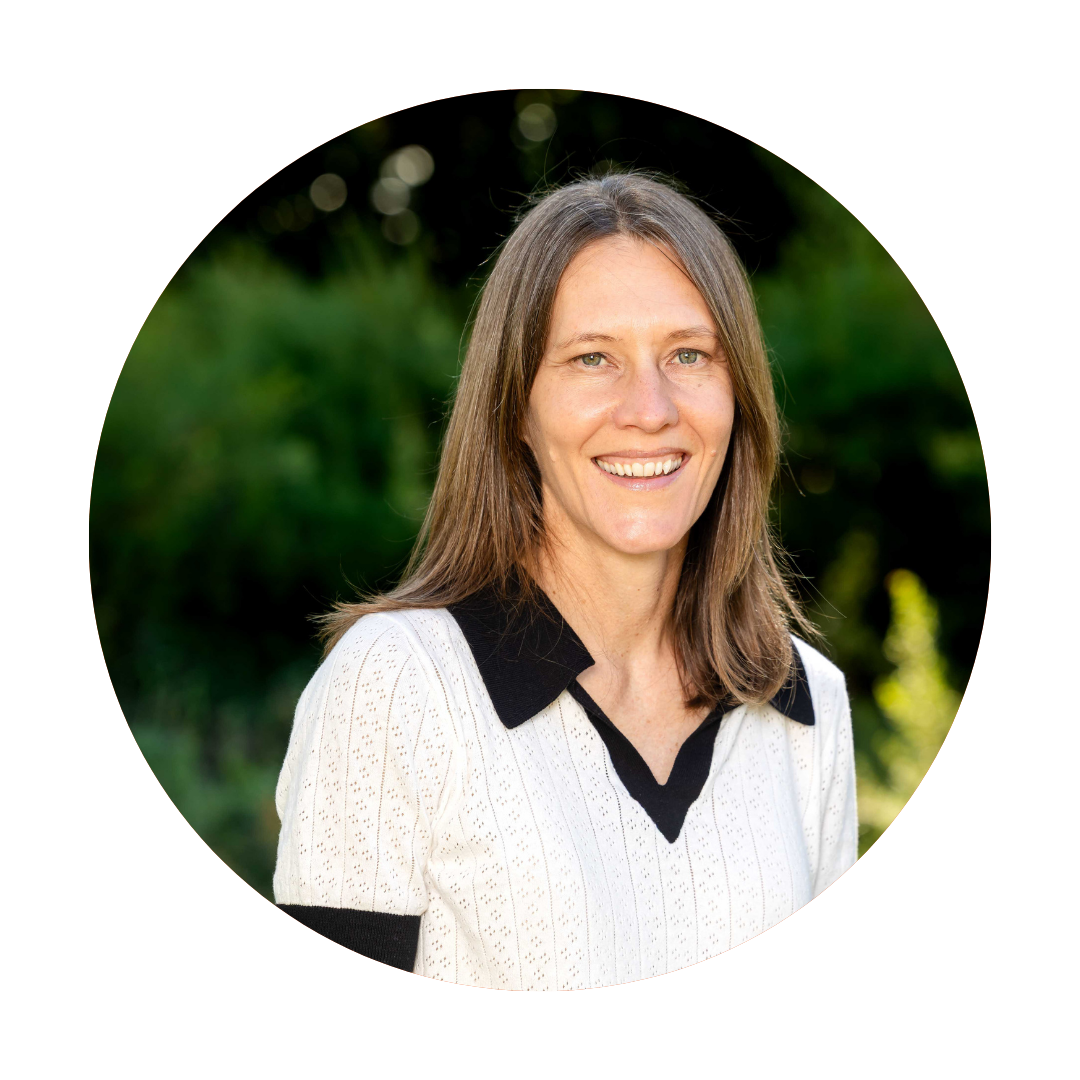
Maretta Mann
Maretta Mann is the Research Development Manager at CliniKids
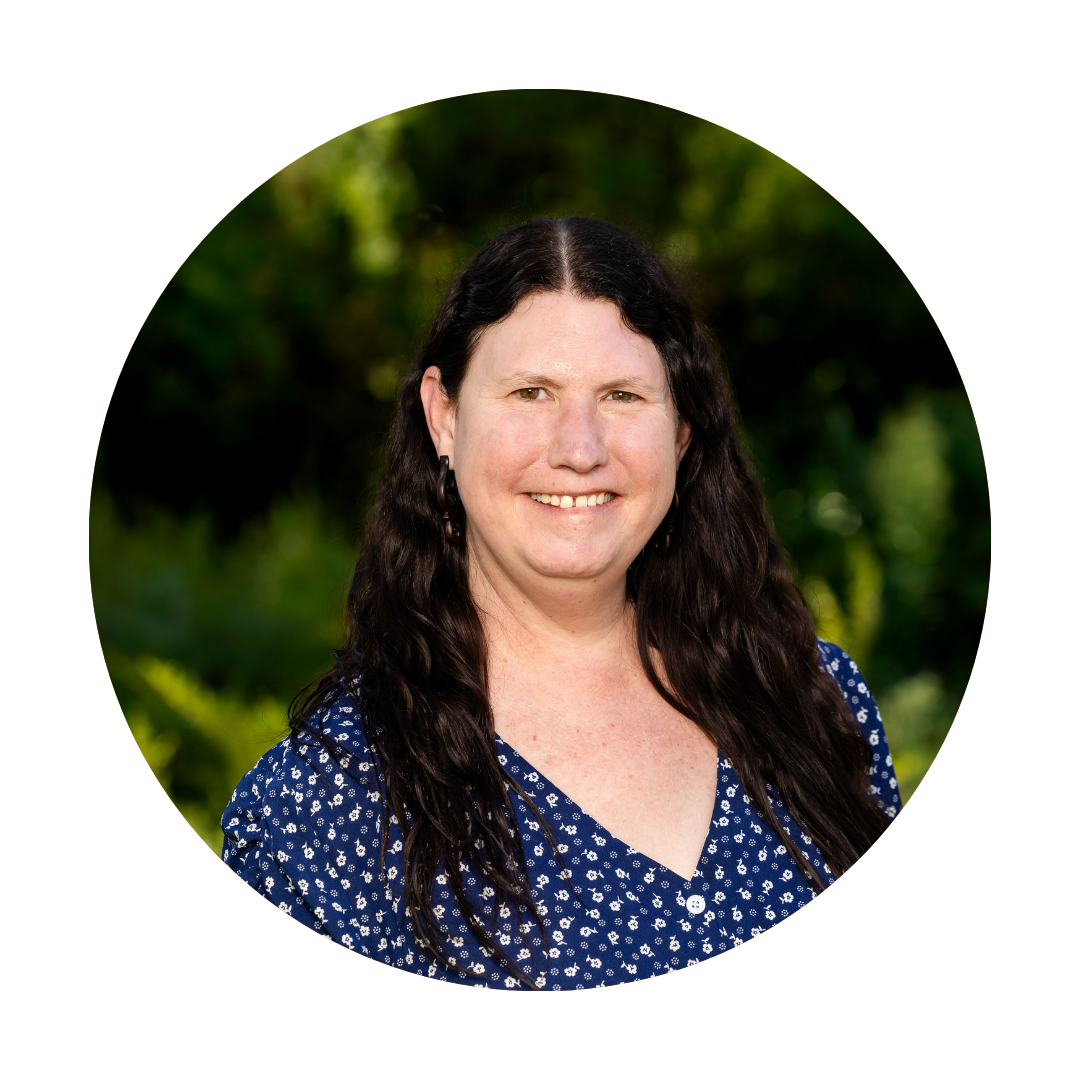
Rachelle Wicks
Rachelle Wicks is a Research Fellow at CliniKids
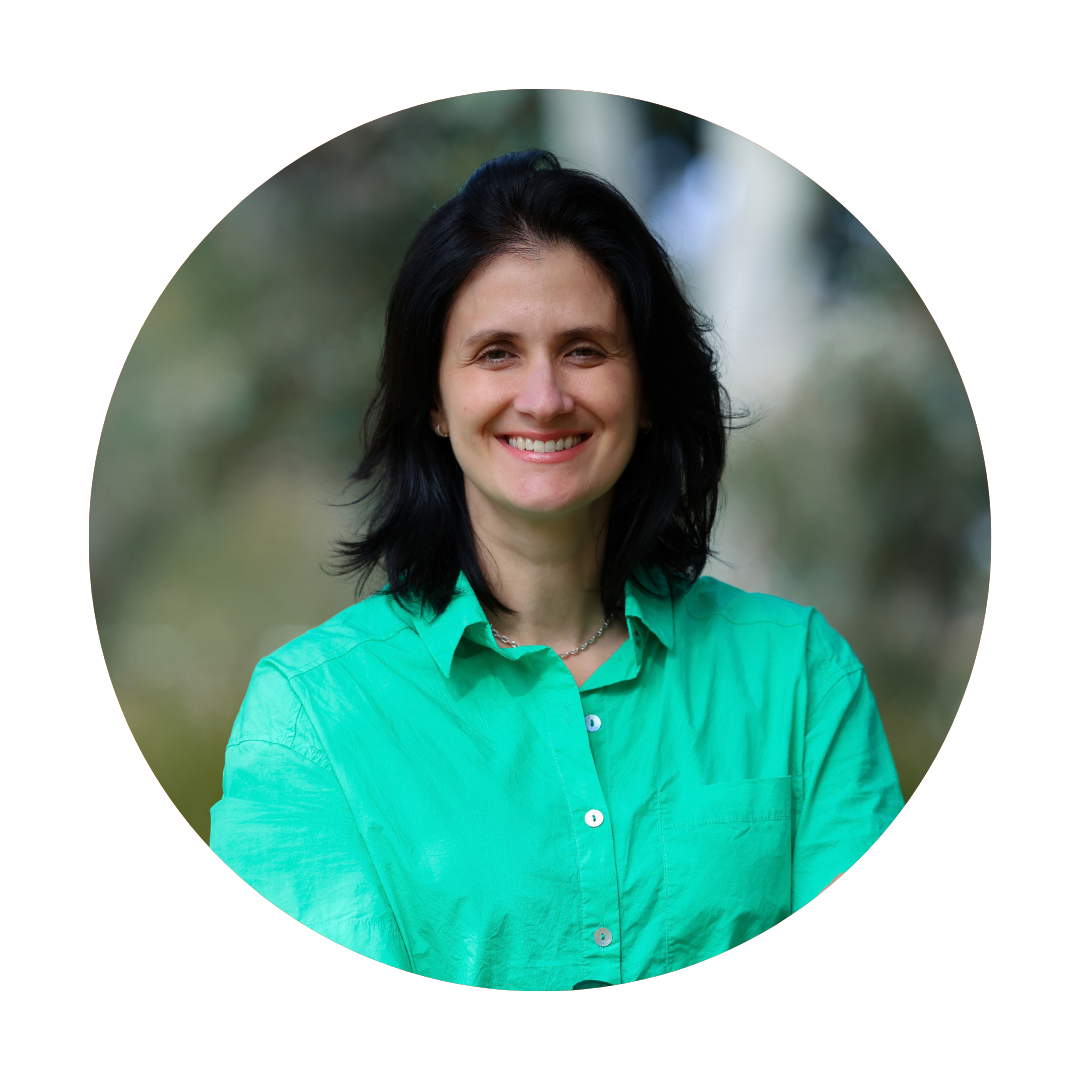
Caroline Brasao
Caroline Brasao is a Research Assistant at CliniKids
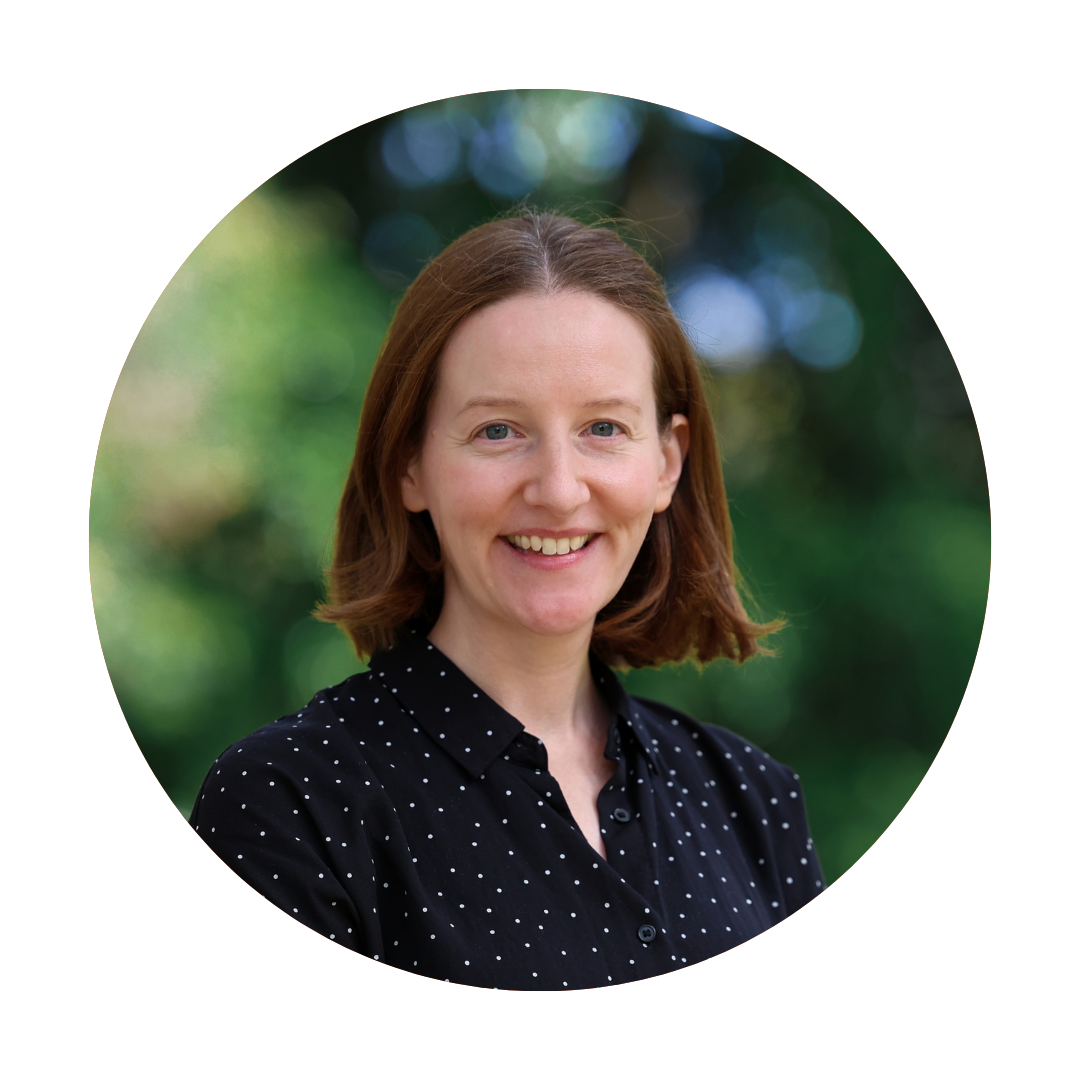
Sarah Pillar
Sarah Pillar is a PhD Candidate at CliniKids

Georgia Coverdale
Georgia Coverdale is a PhD Candidate at CliniKids
Coordinating Ambitious Research that Supports Interdisciplinarity and Embraces Innovation
Twenty interdisciplinary Investigators, an ambitious research proposal and an unbudgeted funding scheme: sounds like an opportunity for innovation!

Emily Spackman
Emily Spackman is a Research Fellow at CliniKids