Skip to content
The Kids Research Institute Australia logo
Donate

No results yet

Search

Teaching educators to see neurodisability through kids’ eyes

Findings from the Banksia Hill Project revealed 89% of young people in detention who were assessed as part of the project had at least one form of severe neurodevelopmental impairment.

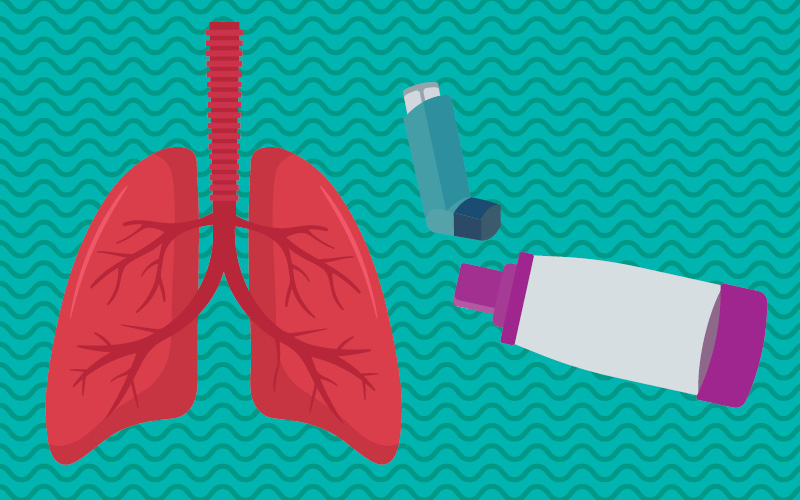
Researchers may have found key to preventing asthma

Researchers have made a world-first discovery on how to prevent severe respiratory infections in babies.

Saying yes to newborn trial a life-changing piece of luck

When Perth mum Lacy Swan’s daughter Charlotte failed the newborn hearing test at 3 days of age, the medical team explained it could simply be due to fluid on the ears.

Young people key to suicide prevention

Young people and their families have teamed up with youth mental health providers and researchers to deliver a report which tackles youth suicide in WA.

Setting new standards for lung health

A global network of researchers and clinicians, co-led by The Kids’ Professor Graham Hall, has transformed international best practice in identifying low lung function and diagnosing and treating lung disease.

Precision health accelerator takes some of the guesswork out of research

Running any research project is a feat of logistical gymnastics – and often, you don’t know what can go wrong until it happens.

Research

Defining the pediatric response to SARS-CoV-2 variants

The global population has been severely affected by the coronavirus disease 2019 (COVID-19) pandemic, however, with older age identified as a risk factor, children have been underprioritized. This article discusses the factors contributing to the less severe response observed in children following infection with severe acute respiratory syndrome coronavirus 2 (SARS-CoV-2), including, differing viral entry receptor expression and immune responses.

Research

among children with pneumonia using a causal Bayesian network

Pneumonia remains a leading cause of hospitalization and death among young children worldwide, and the diagnostic challenge of differentiating bacterial from non-bacterial pneumonia is the main driver of antibiotic use for treating pneumonia in children. Causal Bayesian networks (BNs) serve as powerful tools for this problem as they provide clear maps of probabilistic relationships between variables and produce results in an explainable way by incorporating both domain expert knowledge and numerical data.

Research

Accuracy of self-reported private health insurance coverage

Studies on health insurance coverage often rely on measures self-reported by respondents, but the accuracy of such measures has not been thoroughly validated. This paper is the first to use linked Australian National Health Survey and administrative population tax data to explore the accuracy of self-reported private health insurance (PHI) coverage in survey data.

Research

Core protocol for the adaptive Platform Trial In COVID-19 Vaccine priming and BOOsting (PICOBOO)

The need for coronavirus 2019 (COVID-19) vaccination in different age groups and populations is a subject of great uncertainty and an ongoing global debate. Critical knowledge gaps regarding COVID-19 vaccination include the duration of protection offered by different priming and booster vaccination regimens in different populations, including homologous or heterologous schedules.