

You may have noticed some changes to the phone triage system for Perth Children’s Hospital’s diabetes clinic recently.
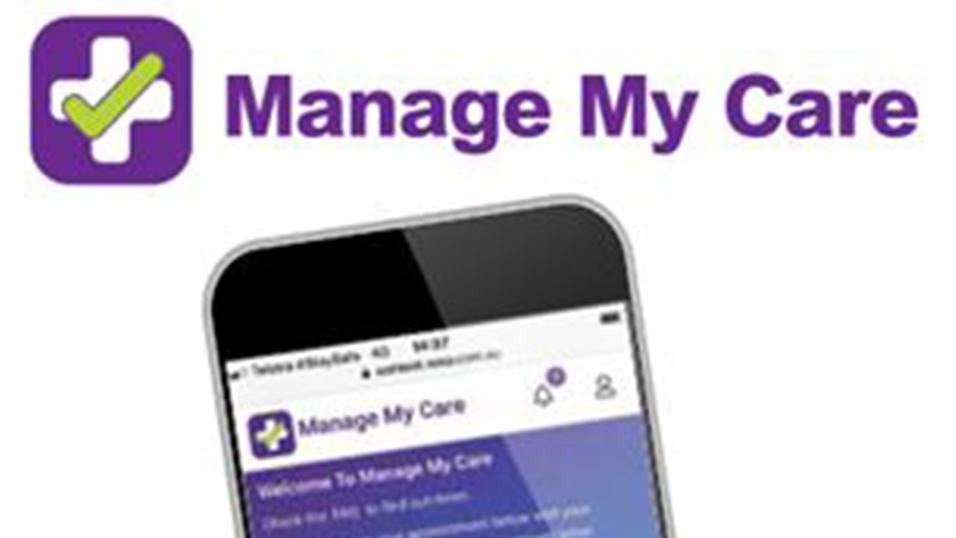
Outpatients with appointments at Perth Children’s Hospital (PCH) can now use WA Health’s first patient-facing app – Manage My Care – to access their…
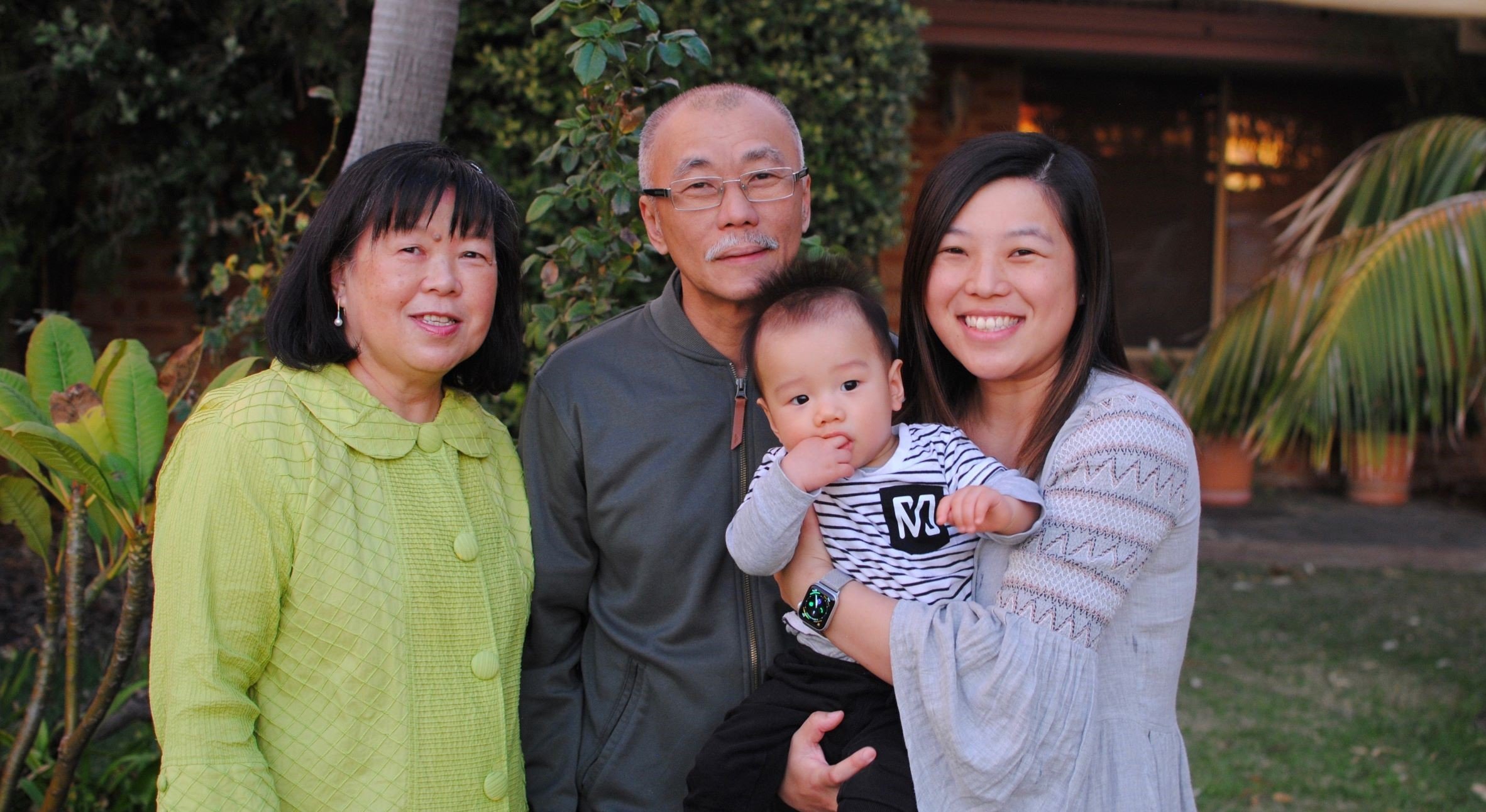
Between 1989 and 1991, almost 3,000 WA babies were recruited to the Raine Study - an ambitious research project which would yield a series of paradig…
A new rapid research funding model is translating into quick results.
In early 2021, The Kids Research Institute Australia researcher Dr Amy Finlay-Jones led a global team in trying to answer that question to help bette…
The world’s leading preterm scientists and doctors have joined forces to help give babies born very prematurely, the best possible life.

Professor Jonathan Carapetis has made eliminating rheumatic heart disease his life’s work.
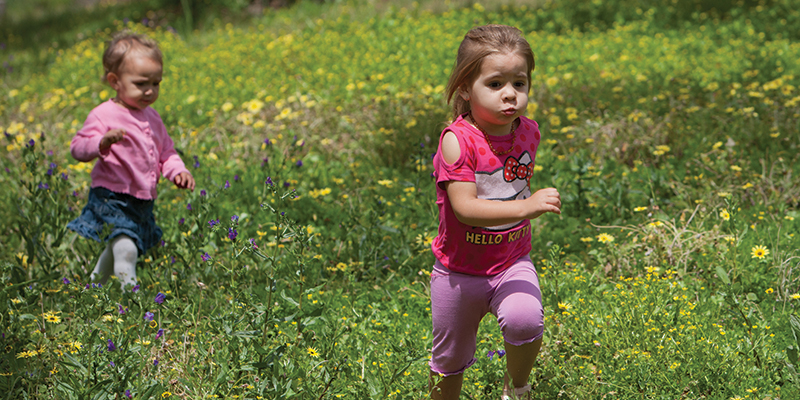
A child can’t thrive if they don’t have a roof over their head.
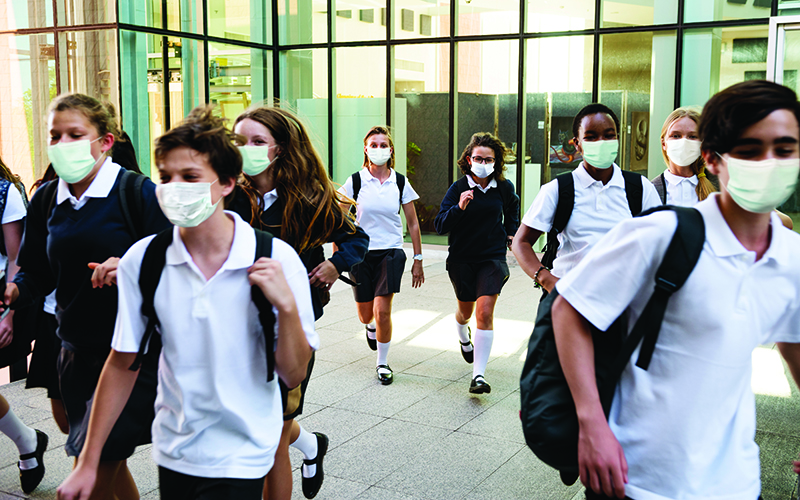
Researchers went into 79 WA primary and secondary schools in 2020 and found increased levels of emotional distress among students and families.
On this Research Impact page, we list stories helping demonstrate how we collaborate with other leaders, innovators, communities, and international s…