
Anthropogenic activities are increasing the amount of carbon dioxide (CO2) in the atmosphere. There is mounting experimental evidence that lifetime e…
Head-mounted devices (HMDs) have been explored in anaesthesia education for their unique ability to have head-tracked immersive simulations adaptable…
Protection of newborns from infection can be achieved through maternal or vaccine-induced antibodies, but the factors influencing vaccine protection…
Children's development is dependent on a range of factors influencing their life course outcomes. Protective and challenging social and cultural dete…
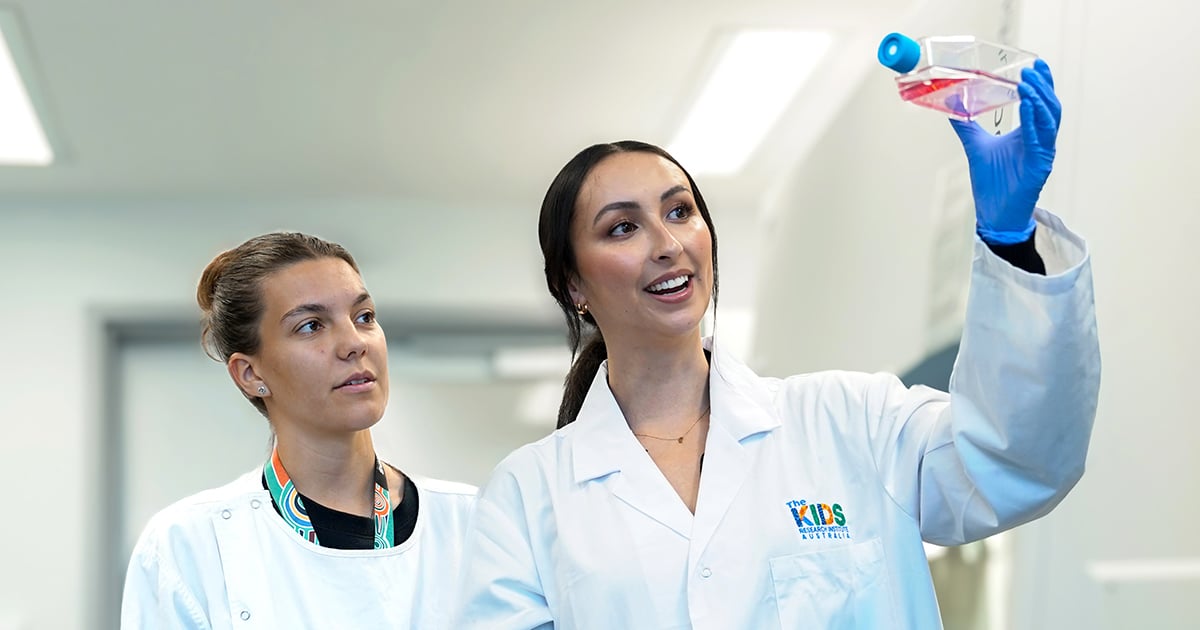
At The Kids Research Institute Australia, our researchers are working to shift that balance through evidence-based research that supports the health,…
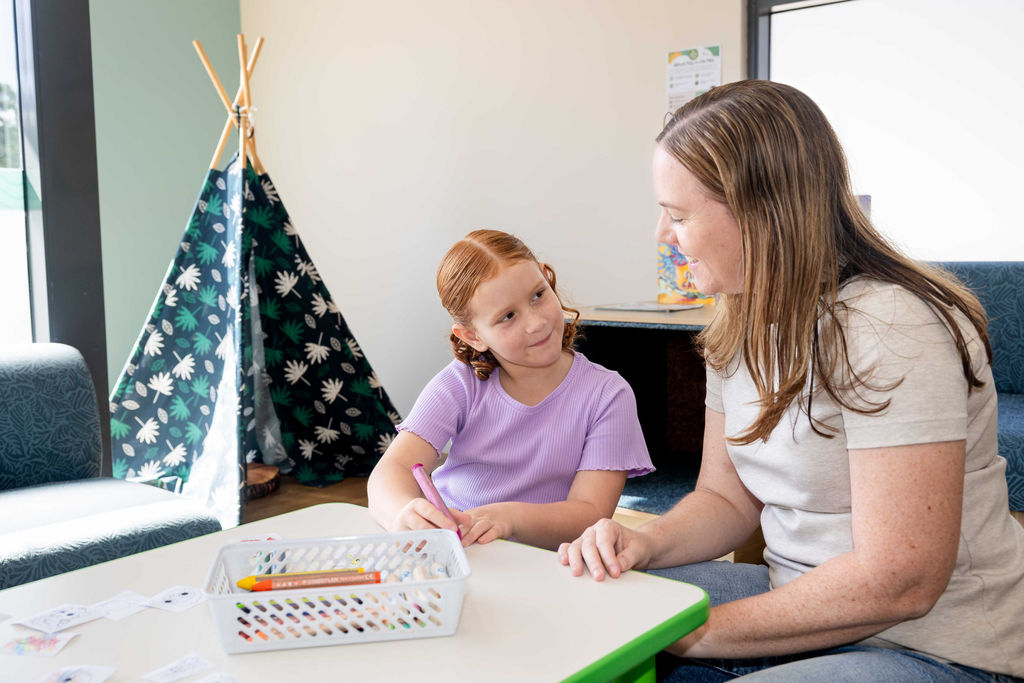
The ACE sub-project is investigating the impact of positive and negative maternal childhood experiences on pregnancy outcomes, and the health and wel…
RHINO researchers from The Kids' Wal-yan Respiratory Research Centre, will analyse ORIGINS data and turn it into meaningful respiratory and allergy o…
There is a growing understanding of how Aboriginal and Torres Strait Islander peoples in Australia define healthy ageing. Little is known however abo…
First Nations women in Australia continue to experience disproportionately adverse maternal and infant outcomes. The ongoing legacy of colonisation a…