Search
Bacillus Calmette-Guérin (BCG) protects children from severe tuberculosis and remains the only licensed vaccine for tuberculosis. Subnational estimates of BCG coverage are essential for identifying underserved populations across Africa. This study aimed to map BCG vaccination coverage in Africa from 1990 to 2022.
Malaria is a focal disease and more localized in low endemic areas. The disease is increasingly becoming a concern in urban areas in most sub-Saharan African countries. The growing threats of Anopheles stephensi and insecticide resistance magnify this concern and hamper elimination efforts. It is, therefore, imperative to identify areas, within urban settings, of high-risk of malaria to help better target interventions.
There is growing interest in how and why individuals adjust their goals in response to difficulties encountered during goal striving and the outcomes of such adjustments; however, research on these topics is fragmented across theoretical perspectives and life domains.
Malaria remains a leading cause of morbidity and mortality and is responsible for over 0.5 million annual deaths globally. During the first two decades of this century, scale-up of a range of tools was associated with significant reductions in malaria mortality in the primary risk group, young African children.
Asthma affects more than 300 million people worldwide and is frequently associated with other medical conditions in adults, including chronic obstructive pulmonary disease, ischaemic heart disease, and stroke. Despite the huge burden, there has been little progress toward prevention and cure, possibly related to a one-size-fits-all approach.
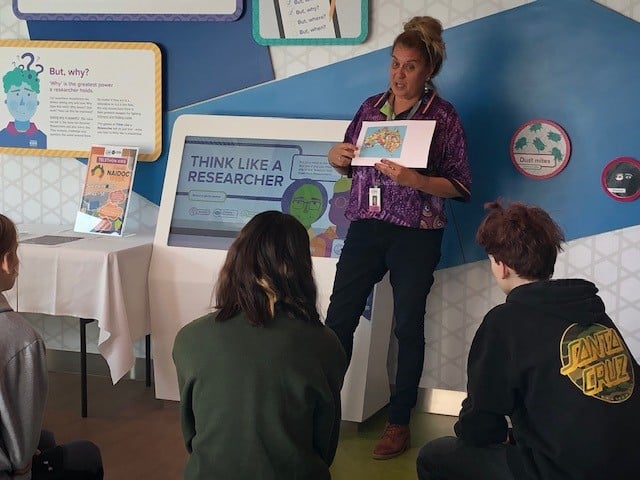
The Moombaki Research team developed a pilot Cultural Integrity Audit (CIA) that was co-designed with Aboriginal elders and educators as a tool for school leaders to measure the extent of culturally safe and responsive education at three test sites in Perth (Boorloo), Western Australia. This article analyses the political and social contexts and experiences of implementing the CIA as a tool – including the commitment, attitudes and values of school leaders.
A range of microbiota species correlate with improved cancer outcomes in patients and confer protection in pre-clinical mouse models. Here, we examined how microbiota regulate CD8+ T cell immunity against melanoma. Spontaneous control of cutaneous melanoma in mice correlated with metabolic pathways required for microbial synthesis of short-chain fatty acids (SCFAs) shared between several microbiota species.
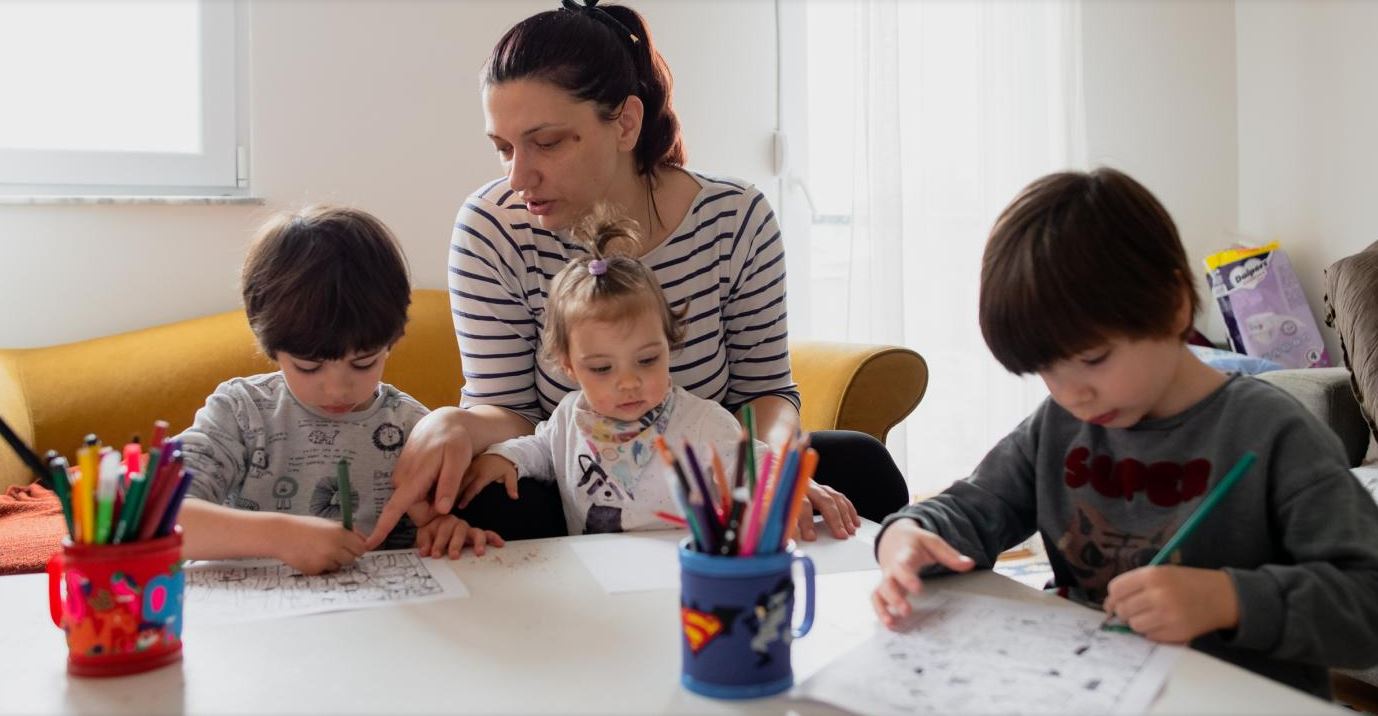
Despite growing evidence that parental work–family conflict (WFC) affects children’s emotional well-being, little is known about the multiple pathways underlying such effects. This study examines the association between parental WFC and children’s emotional well-being and the potential mediating role of parenting behaviors in this process.
As the frequency of eating out-of-home among Australian families increases, concerns have arisen regarding the nutritional quality of Kids' Menus. This study investigated the views of food business owners and managers on Kids' Menus at sit-down venues, specifically factors influencing the choice of meals offered on Kids' Menus and potential initiatives for enhancing the nutritional quality of these menus.
Aboriginal and Torres Strait Islander children continue to be removed at high rates from their families by child protection services, placing them at elevated risk of adverse long-term life outcomes. Cultural connection in out-of-home care is essential for mitigating the impacts of trauma from removal, emphasizing the importance of ensuring that cultural planning is rigorously undertaken. This article explores the provision of cultural plans in an era where out-of-home care services are outsourced by government, but where government holds onto the responsibility for developing cultural plans for children in care.