
Children in Papua New Guinea (PNG) are at high risk of pneumococcal infections. We investigated pneumococcal carriage rates, serotype distribution, a…
Inguinal hernia surgery is one of the most common electively performed surgeries in infants. The common nature of inguinal hernia combined with the h…
The rise of sedimentary ancient DNA (sedaDNA) studies has opened new possibilities for studying past environments. This groundbreaking area of genomi…
Despite the substantial burden of lung disease throughout childhood in children who were born very preterm, there are no evidence-based interventions…
The way the immune system operates differs between males and females. This is due to both differential expression of immune-related genes from the se…
Respiratory syncytial virus contributes to significant global infant morbidity and mortality. We applied a previously developed statistical predictio…
Neutrophils are the most abundant immune cell in circulation. However, due to a number of technical challenges for researchers, including the neutrop…
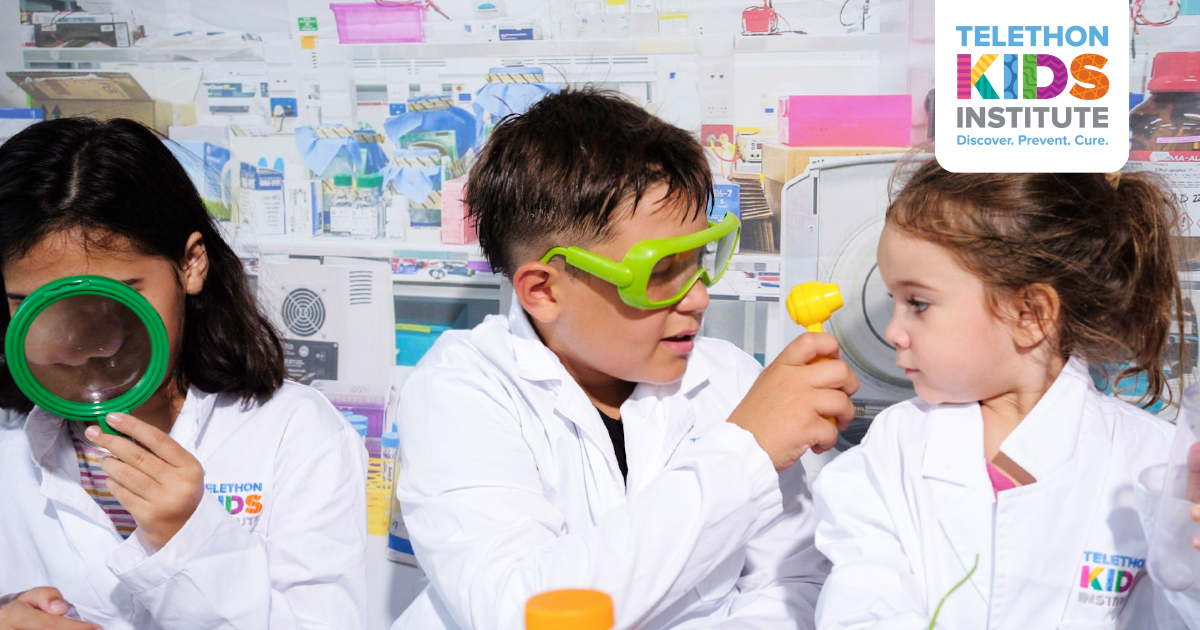
The Kids Research Institute Australia is bringing science to the Kimberley, with a series of free activities for children and families in Broome in t…
Progesterone receptor (PGR) plays diverse roles in reproductive tissues and thus coordinates mammalian fertility. In the ovary, rapid acute induction…
There is now good evidence that behavioural signs of autism spectrum conditions (autism) emerge over the first two years of life. Identifying clear d…