Skip to content

Search

Characterising the SARS-CoV-2 nucleocapsid (N) protein antibody response

SARS-CoV-2 nucleocapsid (N) protein antibodies can be used to identify the serological response to natural infection in those who have previously received a COVID-19 spike-based vaccine. Anti-N antibody responses can also be induced by inactivated whole SARS-CoV-2 virus vaccines, such as CoronaVac. We aimed to characterise antibody responses to the N protein following COVID-19 and following vaccination with CoronaVac.

Immunogenicity, Reactogenicity, and Safety of a Pentavalent Meningococcal ABCWY Vaccine in Adolescents and Young Adults who had Previously Received a Meningococcal ACWY Vaccine

A MenABCWY vaccine containing 4CMenB and MenACWY-CRM vaccine components has been developed to protect against the 5 meningococcal serogroups that cause most invasive disease cases.

Koorlangka Dreaming Becomes a Reality: A Moombaki Virtual Reality with Connections to Noongar Moort, Boodja, and Karnarn

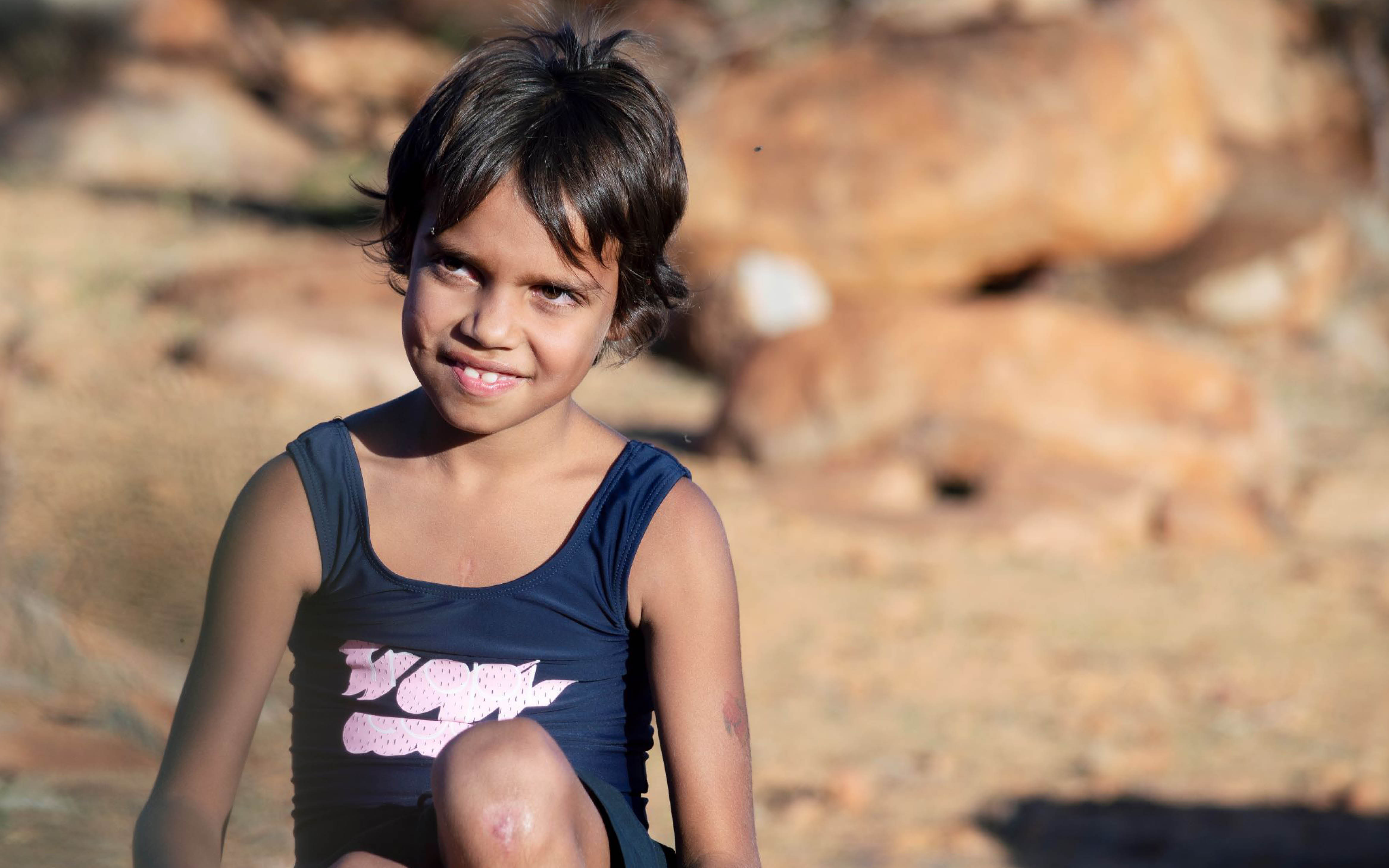
In this paper, we describe the developmental process of a culturally grounded Moombaki virtual reality (VR) game. We share how Aboriginal children’s drawings have informed the creation of an interactive learning platform for primary school-aged children attending schools in Wadjuk Boodja. The project focused on connecting students to cultural knowledge through immersive storytelling, creative exploration, and collaborative design by using small group yarning circles and game development activities.

Short term safety profile of respiratory syncytial virus vaccine in adults aged ≥ 60 years in Australia

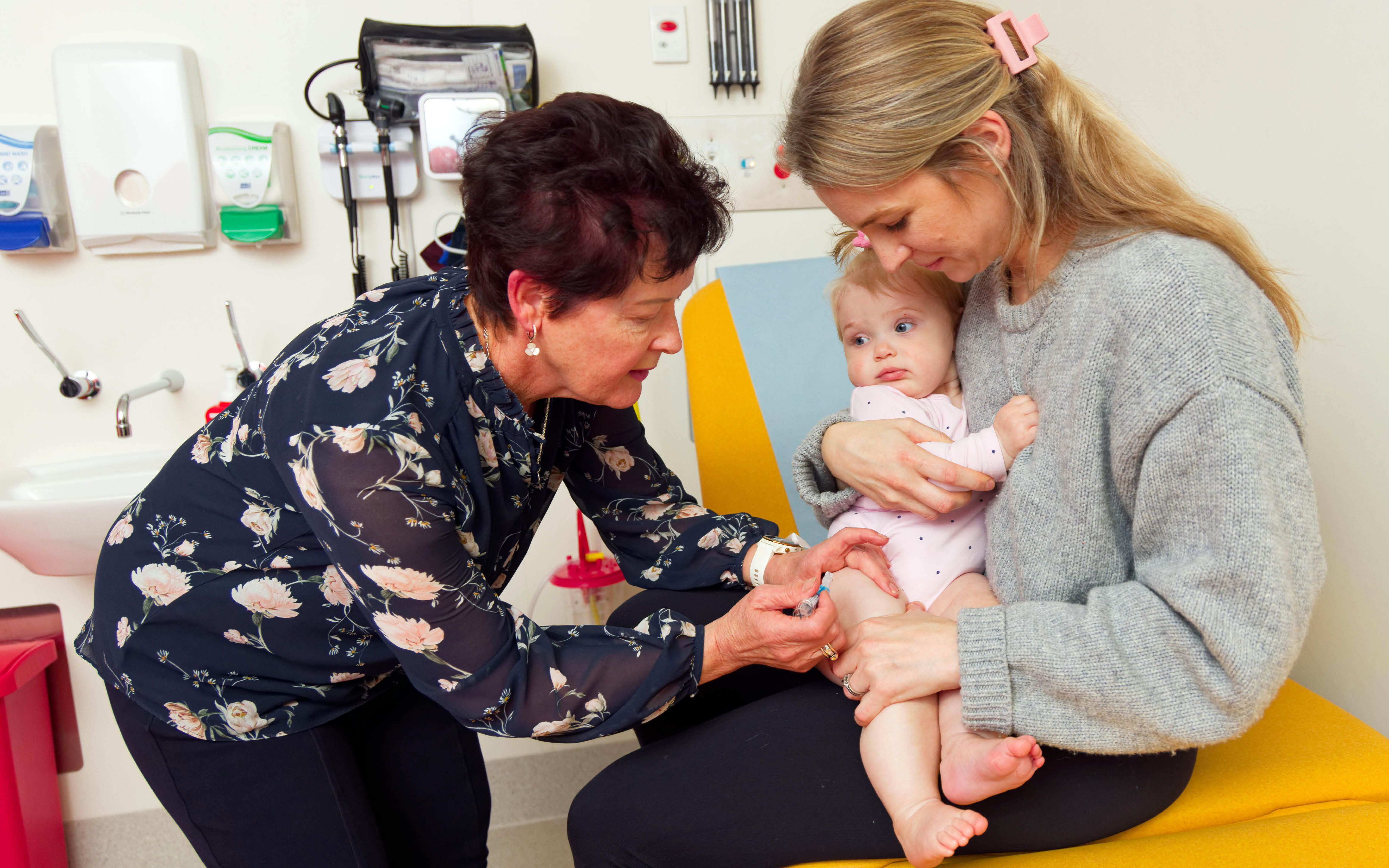
Australia's active vaccine safety surveillance system AusVaxSafety monitors a number of vaccines, including Arexvy, by reporting on solicited adverse events following immunisation (AEFI) through an online survey sent to vaccinees 3 days post-vaccination as previously described.3 Here we report on survey responses from adults aged ≥60 years receiving Arexvy at primary healthcare practices or pharmacies, who responded to the survey by day 7 post-vaccination.

Novel GABAAR antagonists target networked gene hubs at the leading-edge in high-grade gliomas

Ion channel activity underlying biological processes that drive high-grade gliomas (HGG) is largely unknown. We aimed to determine the networking of ion channel genes and validate their expression within HGG patient tumors, to identify ion channel-targeting drugs that would inhibit tumor-promoting processes.

Mapping tuberculosis prevalence in Africa using a Bayesian geospatial analysis

Worldwide, tuberculosis (TB) remains the leading cause of death from infectious diseases. Africa is the second most-affected region, accounting for a quarter of the global TB burden, but there is limited evidence whether there is subnational variation of TB prevalence across the continent. Therefore, this study aimed to estimate sub-national and local TB prevalence across Africa.

Longitudinal observational research study: establishing the Australasian Congenital Cytomegalovirus Register (ACMVR)

Congenital cytomegalovirus (cCMV) is an important cause of long-term childhood disability. In Australia, the identification and treatment practices and the long-term clinical and neurodevelopmental outcomes of children with cCMV are unknown.

Immune impacts of infant whole-cell and acellular pertussis vaccination on co-administered vaccines

We compared the effect of a heterologous wP/aP/aP primary series (hereafter mixed wP/aP) versus a homologous aP/aP/aP primary schedule (hereafter aP-only) on antibody responses to co-administered vaccine antigens in infants and toddlers.

Factors influencing participation in home, school, and community settings by 6- to 9-year-old children born preterm: a qualitative descriptive study

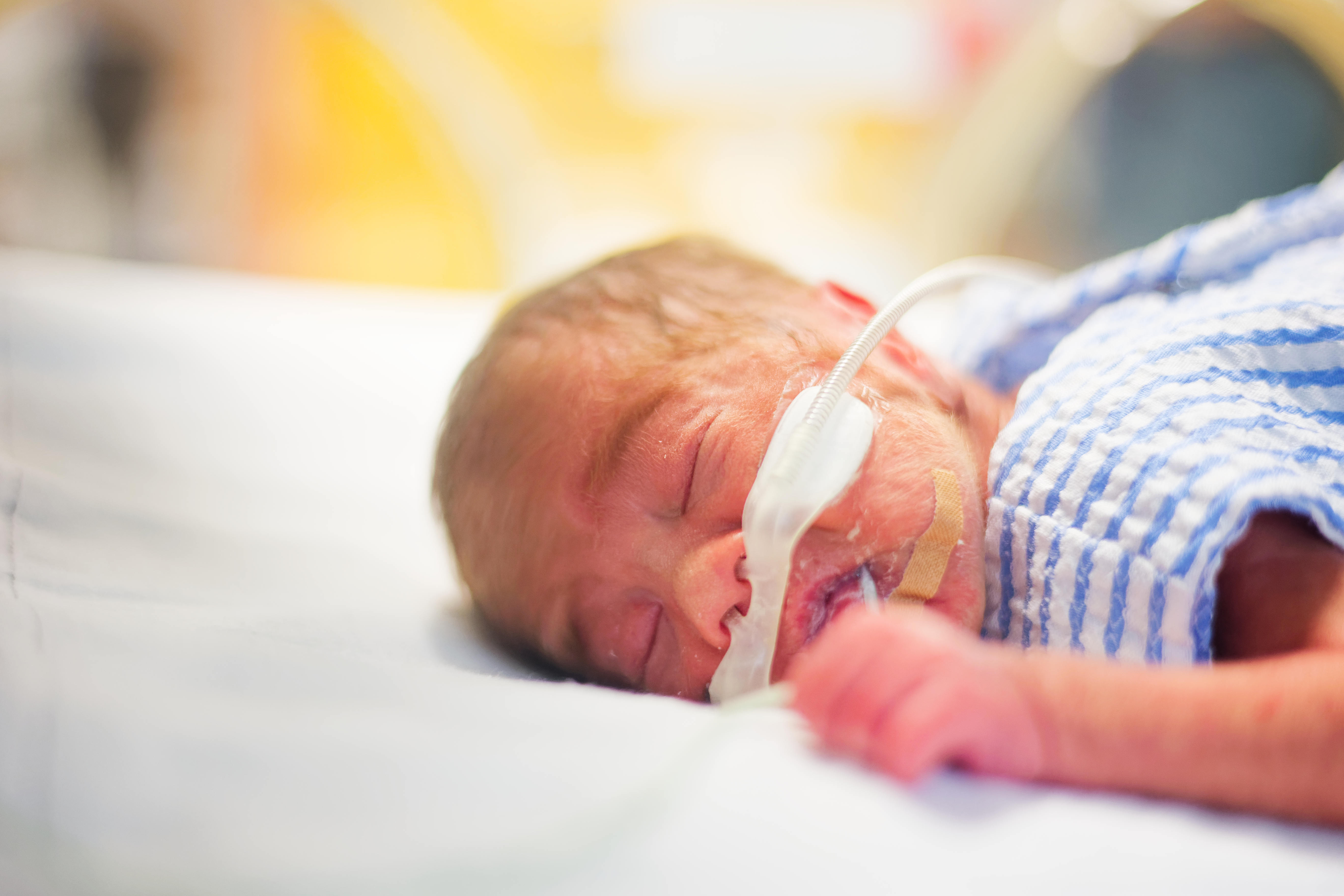
There is no published information on preterm children's activities and participation during middle childhood, a time when growth and development are characterised by increasing motor, reasoning, self-regulation, social and executive functioning skills. This study explored the health, activities and participation of children born very preterm during middle childhood (6-9 years) from the perspectives of their parents.

Understanding Disclosure Decisions in Parents of Children with Attention Deficit/Hyperactivity Disorder

Parents of children with attention-deficit/hyperactivity disorder (ADHD) often make disclosure decisions about their child's ADHD on their behalf. While disclosure can facilitate access to support, it risks stigma. Despite ADHD being one of the most common neurodevelopmental conditions, little is known about parent's experiences in relating information about their child's ADHD diagnosis or medication use, to others.