
Anti-bullying organisation Dolly’s Dream has partnered with The Kids Research Institute Australia to get Beacon, the free cyber safety app, into the…
This research sought to explore the main factors affecting young people's image-sharing behaviors, particularly in the context of peer relationships…
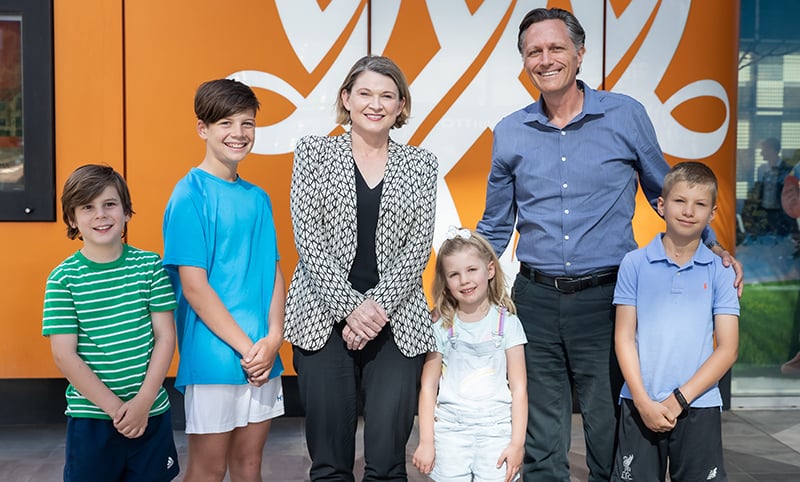
Bankwest and The Kids Research Institute Australia have announced a new partnership, bringing together two iconic Western Australian organisations to…
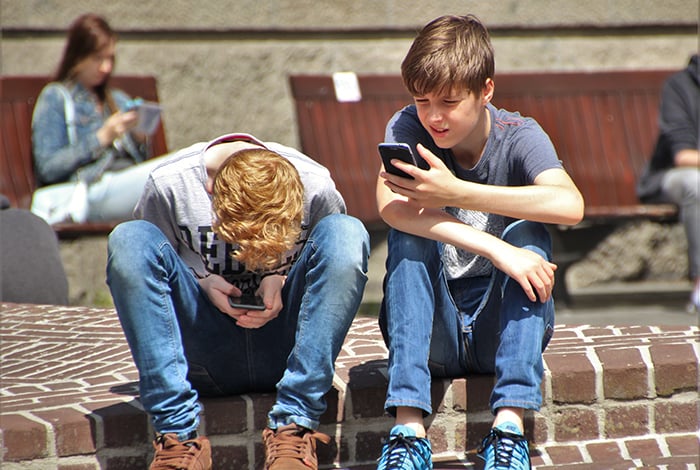
The Kids Research Institute Australia cyber safety expert Professor Donna Cross says parents should use the ‘three C’s’ to help keep their children s…
The narrative structure innate to the Design Thinking process offered a picture of electronic image-sharing problems and related solutions from young…
This study reports on a three-year group randomized controlled trial, the Cyber Friendly Schools Project, aimed to reduce cyberbullying among grade 8…
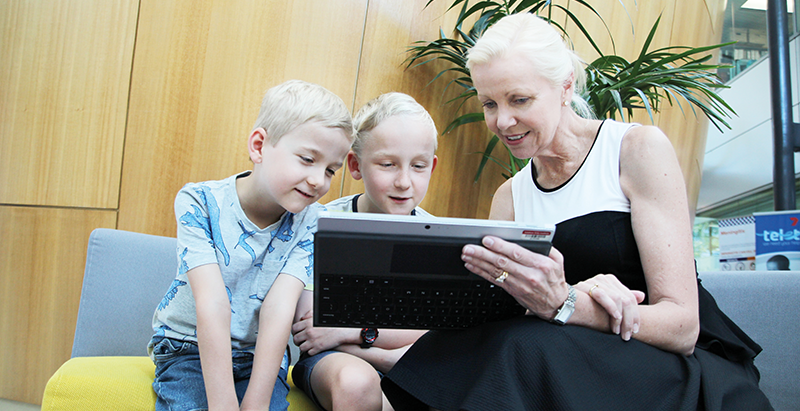
Schools from around the globe have turned to The Kids Research Institute Australia, seeking access to invaluable lessons learned from Australian stud…
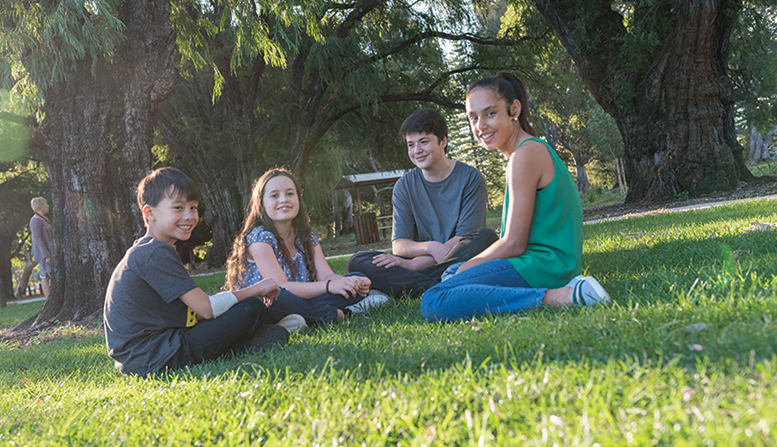
Flat out trying hard to keep up with the ever-changing threats from cyberbullying, The Kids Research Institute Australia counts itself fortunate to h…
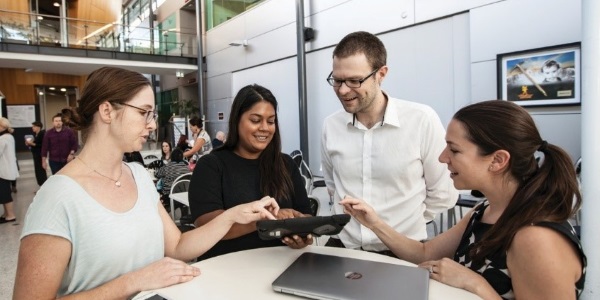
Researchers at The Kids are harnessing the power of apps and other online tools to ensure the results of their research reach those who need it most…
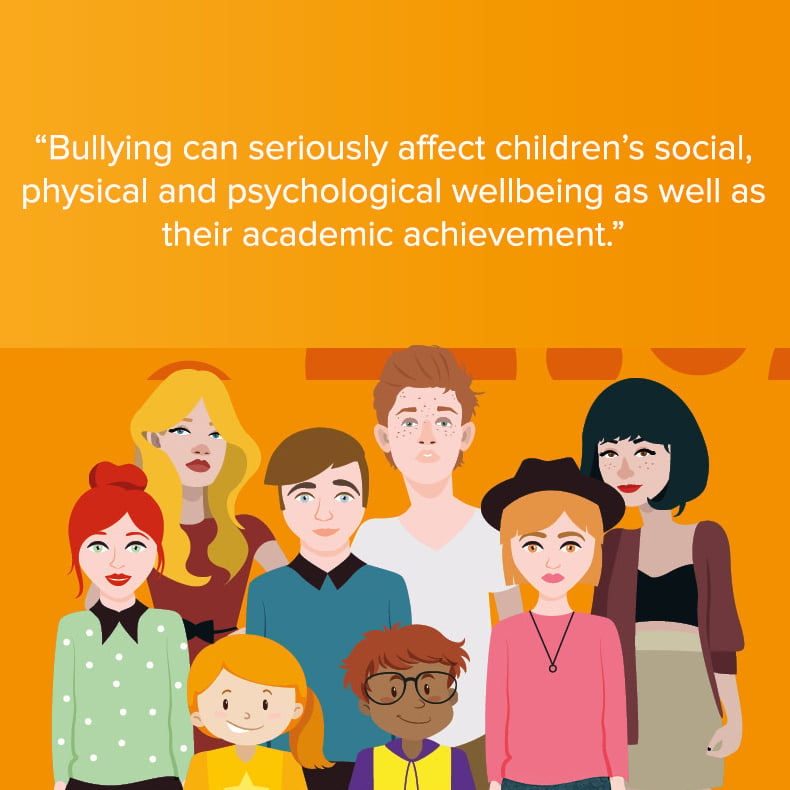
Infographics to easily learn more about bullying and what actions to take should bullying be an issue in your school or community.