
Bacteriophages (phages) are viruses that selectively kill bacteria and offer a promising option to address the growing global pandemic of antimicrobi…
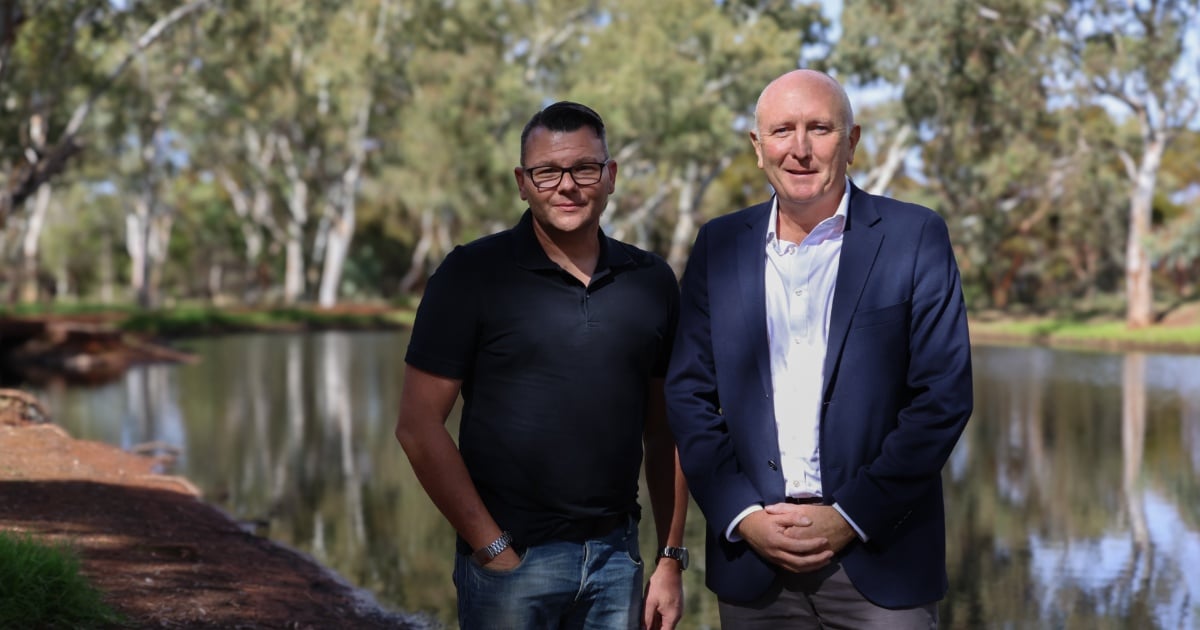
Scientists at The Kids Research Institute Australia are taking their fight against antibiotic- resistant superbugs to the Goldfields working alongsid…

Dr Renee Ng, a microbiologist specialising in bacteriophage therapy – an alternative to antibiotics to fight antimicrobial resistance – will travel t…
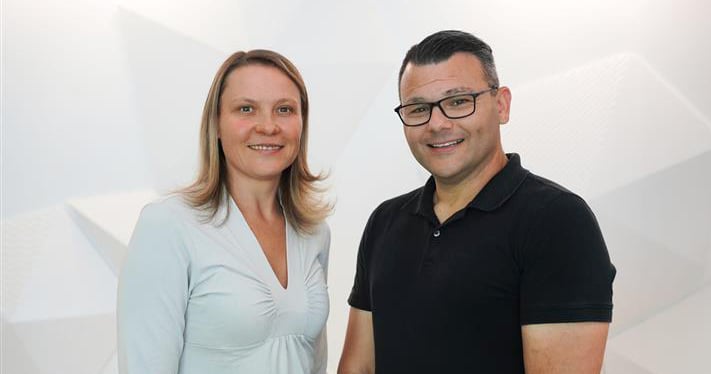
Two researchers from The Kids Research Institute Australia’s Wal-yan Respiratory Research Centre have secured lucrative fellowships to advance cuttin…
We report the isolation of a bacteriophage with obligately lytic activity against Pseudomonas aeruginosa from wastewater. The reported phage, Minga-m…
This study aimed to characterise bacteriophages for potential therapeutic use against Staphylococcus aureus, focusing on clinical respiratory isolate…
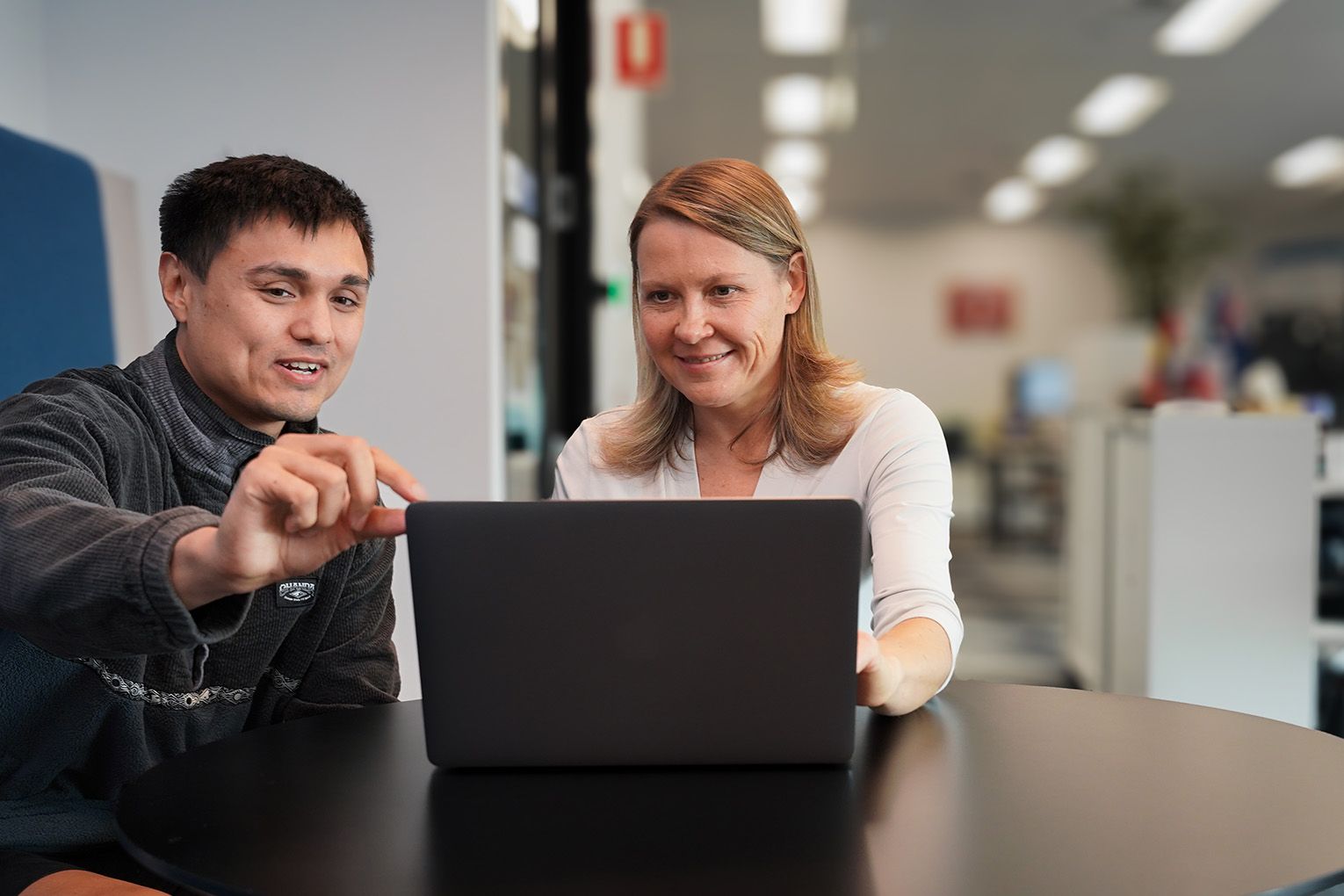
Wal-yan researchers have been awarded $500,000 for their innovative research, supported by the Western Australian Government’s Future Health Medical…
Given the rise of multidrug-resistant (MDR) Pseudomonas aeruginosa infections, alternative treatments are needed. Anti-pseudomonal phage therapy show…