
Search
A cutting edge cancer imaging facility will help specialist children's cancer researchers at Perth's Telethon Institute for Child Health Research.
Avantogen Limited (ACU:ASX) today announced that cancer researchers at Perth's The Kids for Child Health Research (TICHR) and Avantogen Limited
A national study is investigating diet, chemical exposure and genetic factors in a new bid to unravel the causes of childhood leukaemia.
West Australian families are being asked to play a vital role in a major new national study to unravel the causes of childhood leukaemia.

Honorary Research Associate
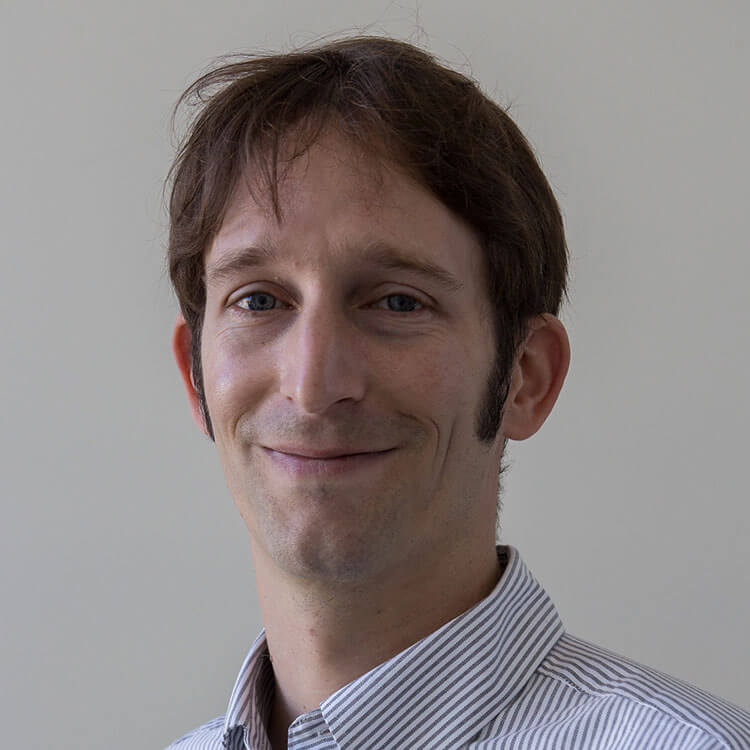
Feilman Fellow; Head, Precision Health Research and Head, Translational Intelligence
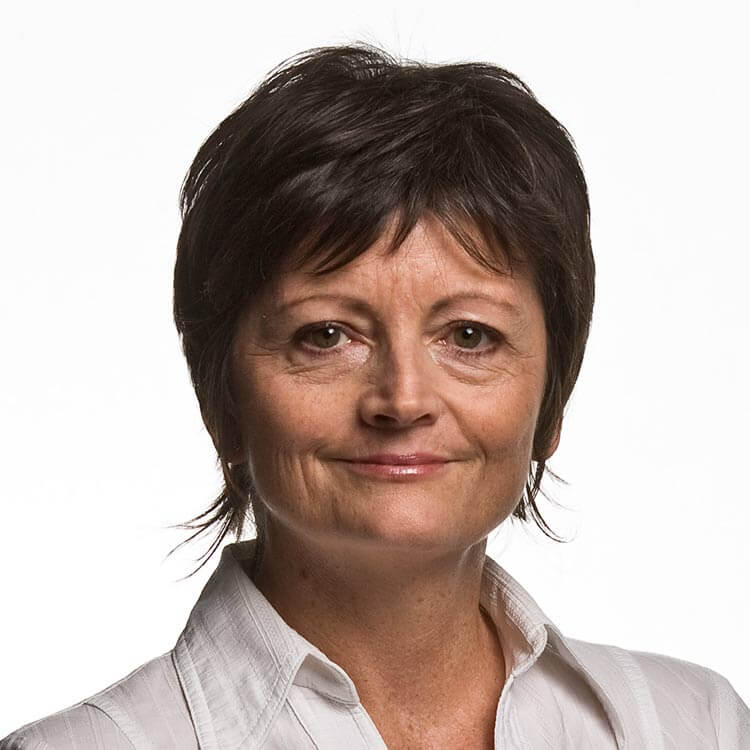
Honorary Emeritus Fellow
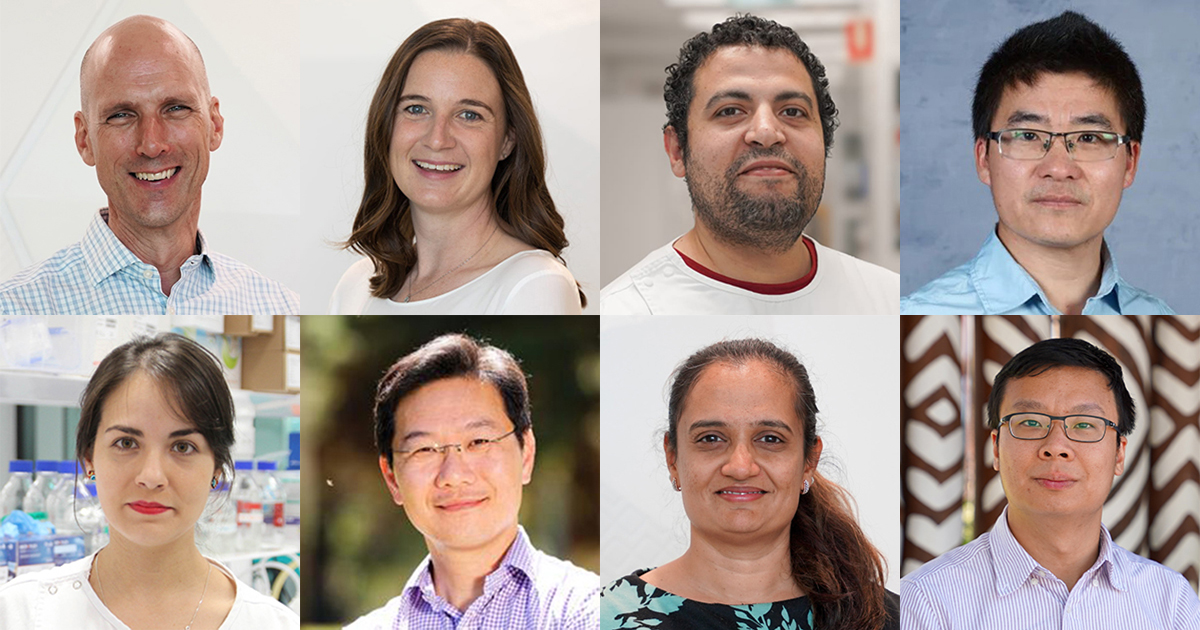
Eight childhood cancer researchers have been awarded over $2 million in transformative grants from Cancer Council WA to advance their pioneering work in improving cancer treatments and outcomes for patients in Western Australia and around the world.

On Monday 1 September, childhood cancer researcher Jacob Byrne is lacing up his running shoes and taking the first steps of an extraordinary challenge: 30 marathons in 30 days across Perth.
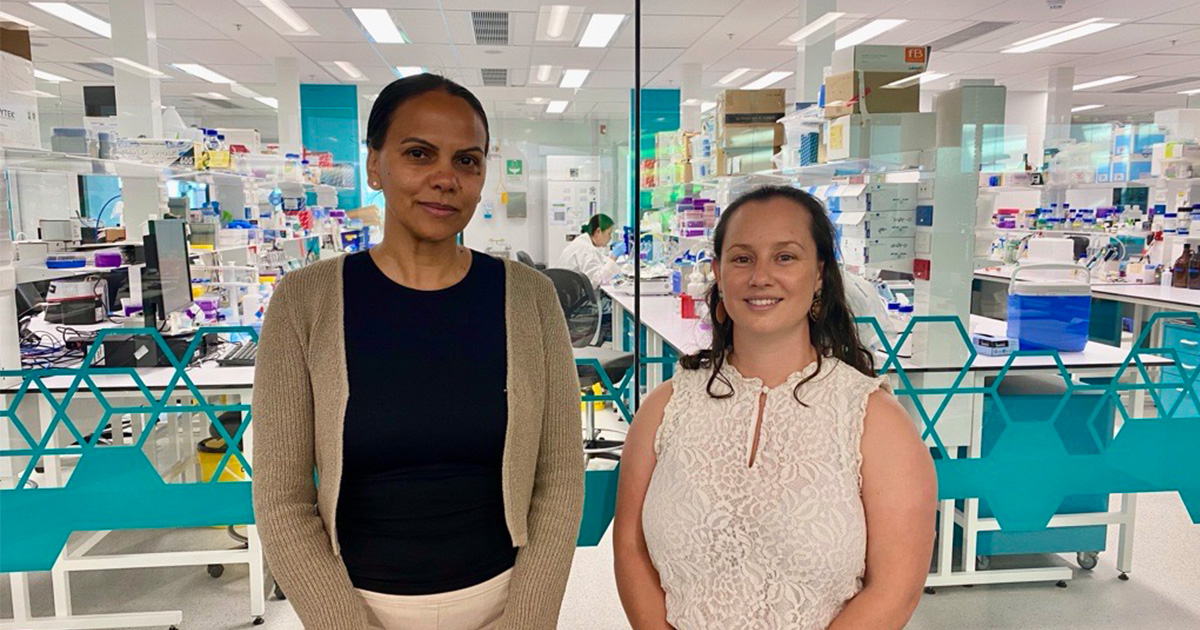
A review led by the First Nations Childhood Cancer team at The Kids Research Institute Australia has highlighted the urgent need for Indigenous-specific studies focused on cancer outcomes, survivorship and equity.