
Search

A The Kids Research Institute Australia researcher focused on promoting more active childhoods to improve child health and wellbeing will be named amongst WA’s most outstanding young scientists at the upcoming 2020 Young Tall Poppy Science Awards.
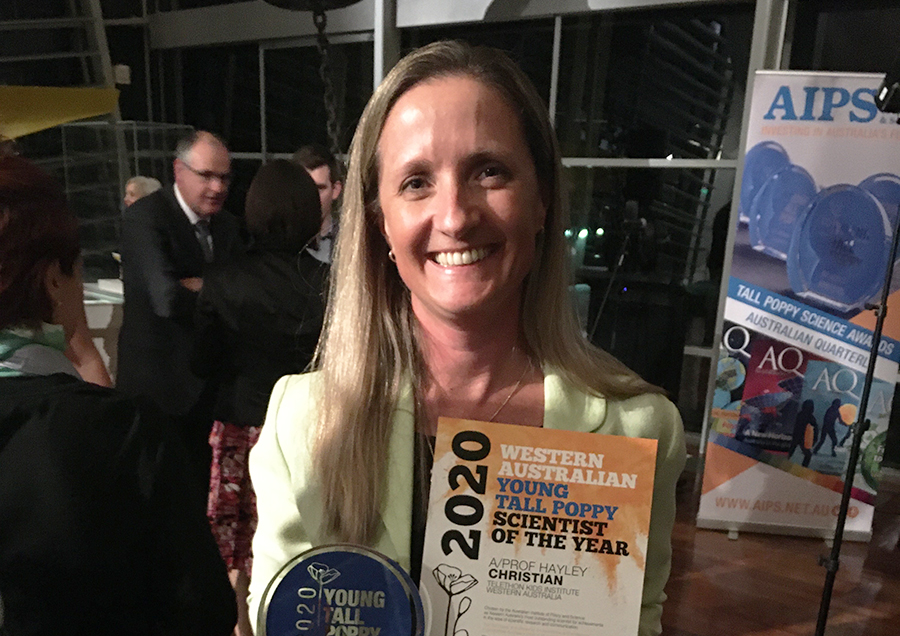
The Kids Research Institute Australia and University of Western Australia physical activity researcher Hayley Christian has been named Young Tall Poppy Scientist of the Year at the 2020 WA Young Tall Poppy Science Awards.
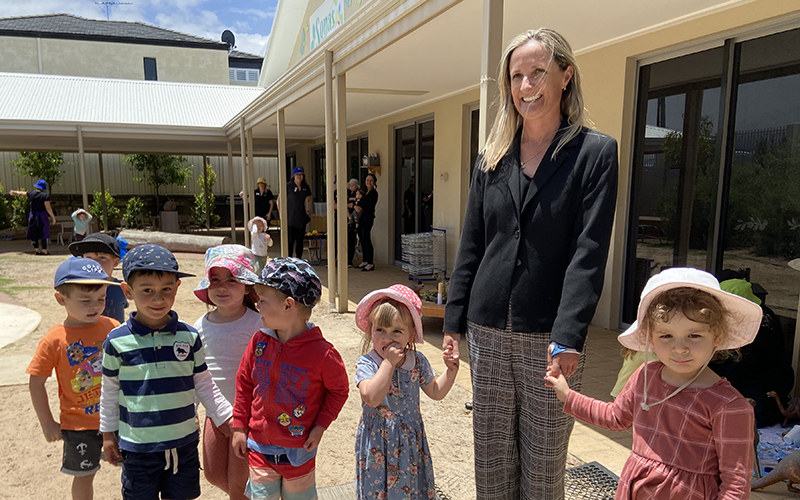
Childcare centres will be invited to help boost children’s physical activity levels by signing on to a new program which commits them to creating more opportunities for physical activity.
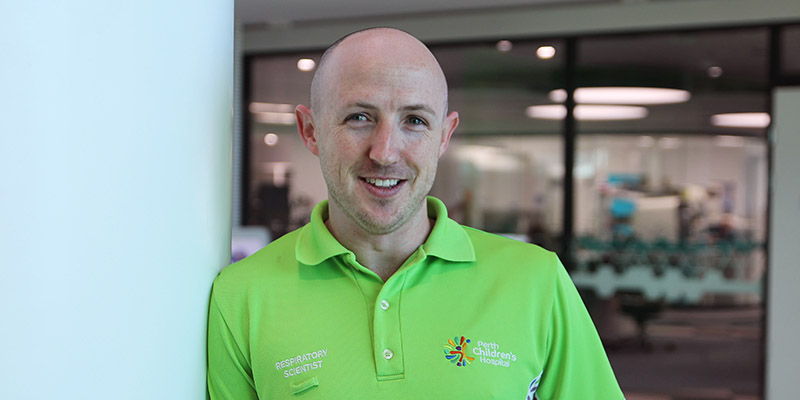
Parents of children born prematurely have expressed concerns about their child’s lung health when they exercise, with symptoms such as breathlessness.

More than 80,000 Australian children are expected to benefit as 700 childcare centres across the country trial a new program aimed at boosting declining physical activity levels.

The Kids Research Institute Australia and The University of Western Australia researchers have been awarded more than $1 million in funding from Healthway, for projects to improve the mental health of LGBTQA+ young people, encourage early physical activity in childcare centres and create healthier local environme
Trans young people report lower levels of physical activity than their cisgender peers, with one in four limiting exercise participation due to their gender. Exercise provision within gender-affirming services represents an underexplored strategy to support health and wellbeing.
There is an urgent need for scalable interventions to promote physical activity in early childhood. An early childhood education and care physical activity policy intervention with implementation support strategies (Play Active) has been proposed for scale-up in Australia.
Movement is at the core of human existence. For infants and children, exploratory movement offers a scaffold for important learning and development outcomes, and in adolescents and adults, regular activity is key for promoting good physical and mental health.
Despite evidence suggesting regular exercise (i.e. structured, repetitive and purposeful physical activity) attenuates cardiac patients’ decline in health, our understanding of factors affecting long-term exercise participation among this patient cohort is limited. This problem is pertinent, given that less than half of cardiac patients adhere to exercise following discharge from formal exercise-based rehabilitation programmes. In this study, we explored factors influencing exercise participation after an outpatient cardiac rehabilitation programme.