
Search
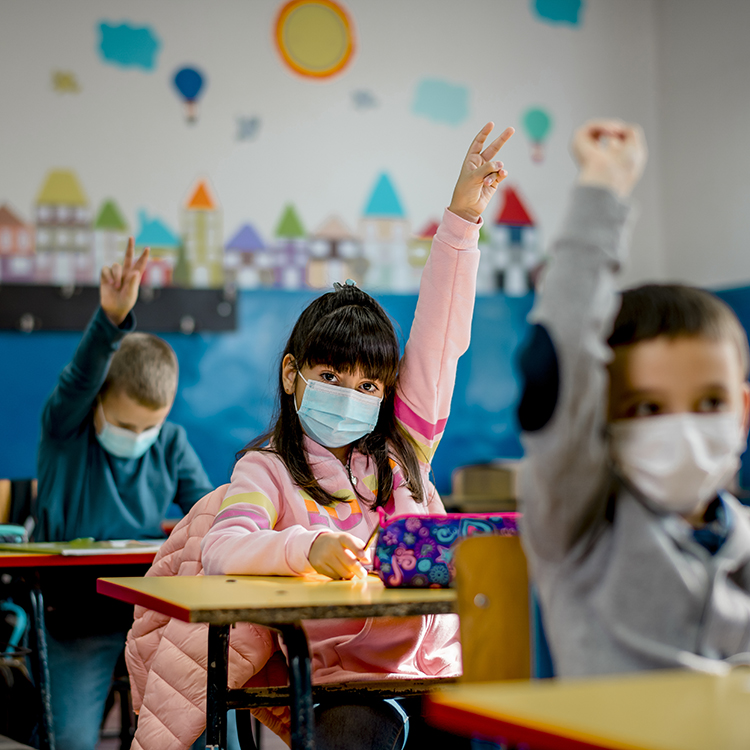
With the number of COVID-19 infections in Western Australia continuing to grow – including confirmed cases in children – The Kids Research Institute Australia understands that our community is growing increasingly worried.
The Kids Research Institute Australia answers all of your questions about vaccines and children
During winter months of temperate regions, concurrent epidemics of multiple respiratory pathogens can occur, causing periods of increased clinical burden. Case time series, which are predominantly used to monitor infection levels, can exhibit substantial noise and day-of-the-week effects, limiting the visual interpretation of trends in raw data.
This study adapts the Multiple Streams Framework (MSF) to explore why COVID-19 vaccine mandates were applied at sectoral and subnational levels in Vietnam while the central government maintained that vaccination was voluntary. Document analysis reveals that these mandates arose from the effective coupling of the three streams—problem, policy, and politics—in a setting of authoritarian rule, where the streams function differently (and more uniformly) compared to democratic contexts.
As we finalised our analysis of the adoption of mandatory policies for childhood vaccines in four high-income jurisdictions for our publication, “Convergence on Coercion,” every country on earth was grappling with how to drive uptake of COVID-19 vaccines.
Anthony Kicic BSc (Hons) PhD Head, Airway Epithelial Research; WA Cystic Fibrosis Research Collaborative Program Fellowship; Stan Perron Charitable
Convalscent plasma (CP) was identified as a potential therapy for COVID-19 available early in the pandemic.
Estimating the temporal trends in infectious disease activity is crucial for monitoring disease spread and the impact of interventions. Surveillance indicators routinely collected to monitor these trends are often a composite of multiple pathogens. For example, "influenza-like illness"-routinely monitored as a proxy for influenza infections-is a symptom definition that could be caused by a wide range of pathogens, including multiple subtypes of influenza, SARS-CoV-2, and RSV.

Thanks to 30 years of support from the WA community, The Kids Research Institute Australia is home to some of the world’s best researchers.

Research that maps and tracks.