
Search

Senior Research Officer from The Kids Research Institute Australia’s Human Development and Community Wellbeing team, Robyn Johnston, says now is actually a good time to start talking to them about alcohol - before they transition to the teenage years.
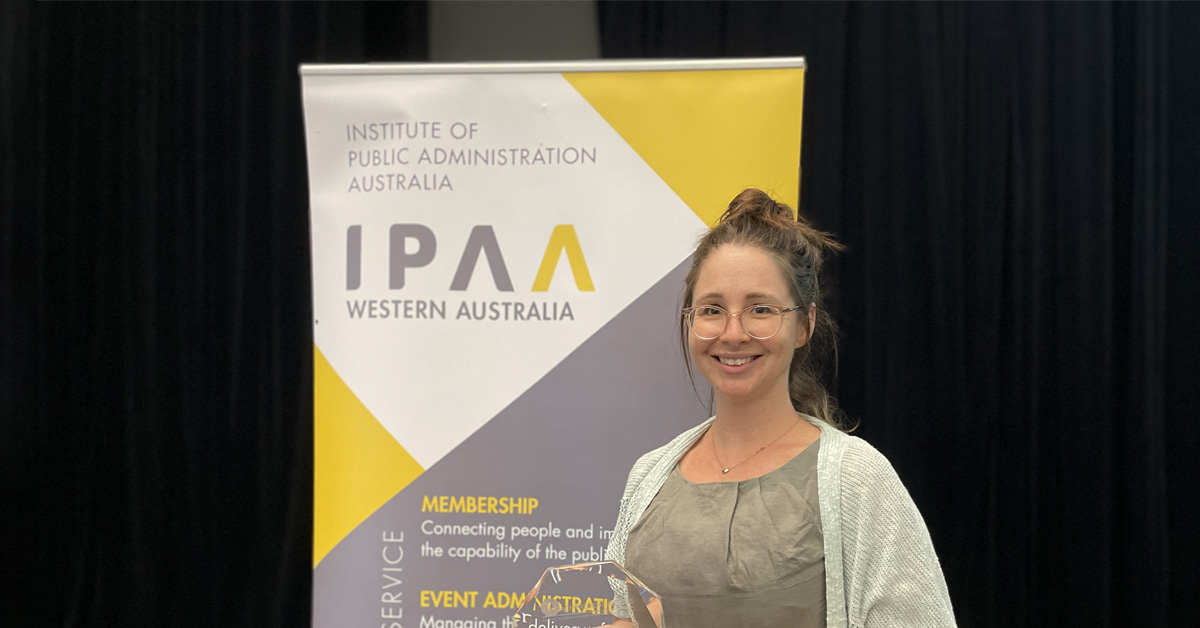
The Kids Research Institute Australia researchers who worked with young people to develop an app designed to help teenagers stay safe in the sun have been named joint winners of a new award for ‘Best Practice in Children’s Consultation’.
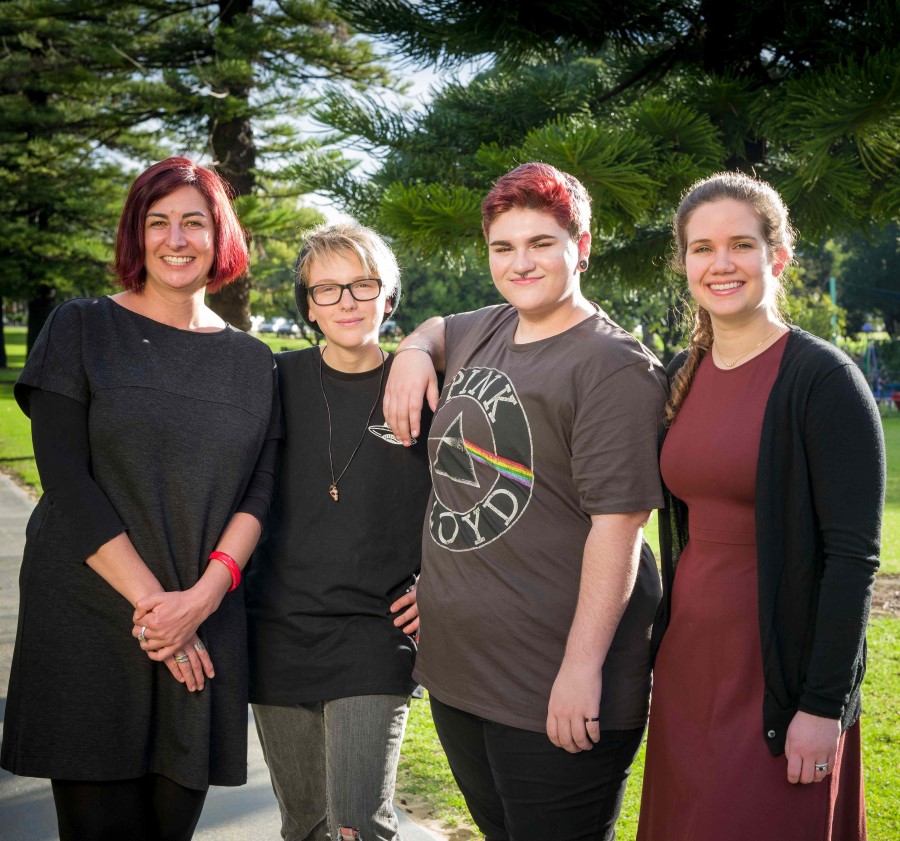
A ground-breaking survey by The Kids researchers has become the new reference point to guide policy change and educate health providers to better support trans and gender-diverse youth in Australia.

Once upon a time it was infectious diseases like polio, measles or tuberculosis that most worried parents. With these threats now largely under control, parents face a new challenge – sky-rocketing rates of non-infectious diseases such as asthma, allergies and autism.
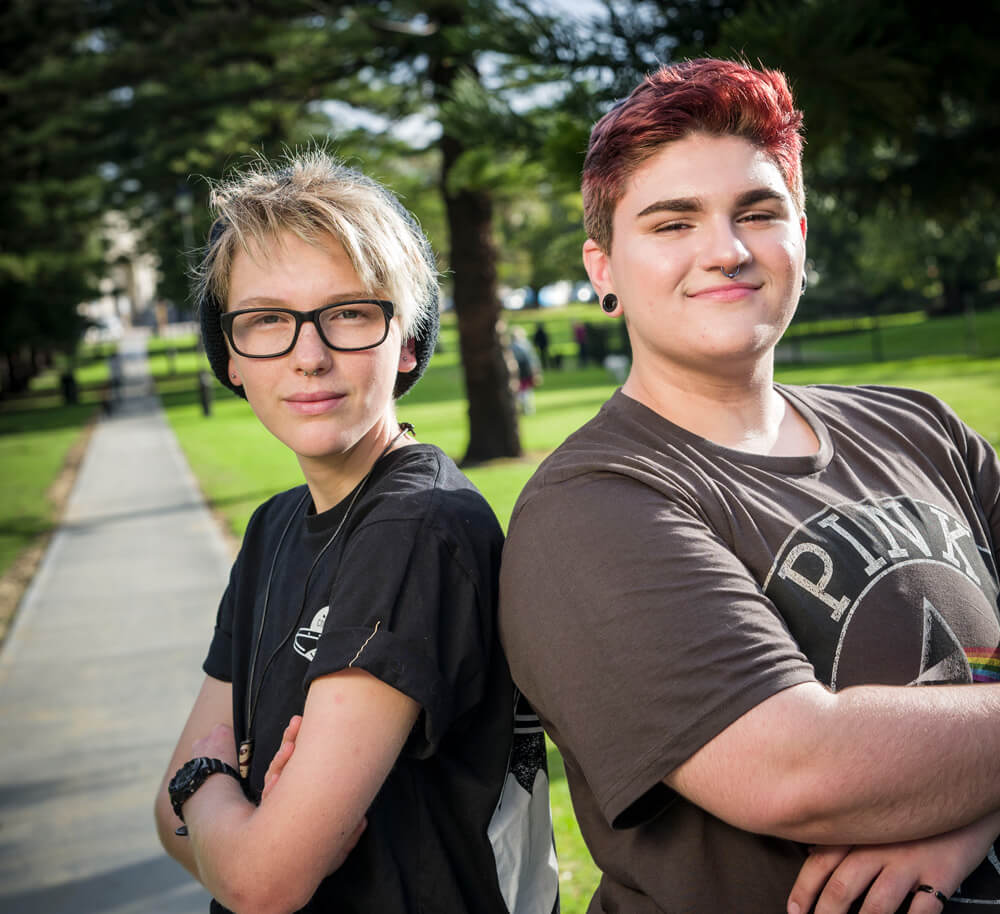
When Trans Pathways ambassador Drew, 17, came out as trans three years ago, the biggest hurdle for him was the availability of services and the time it took to access support.
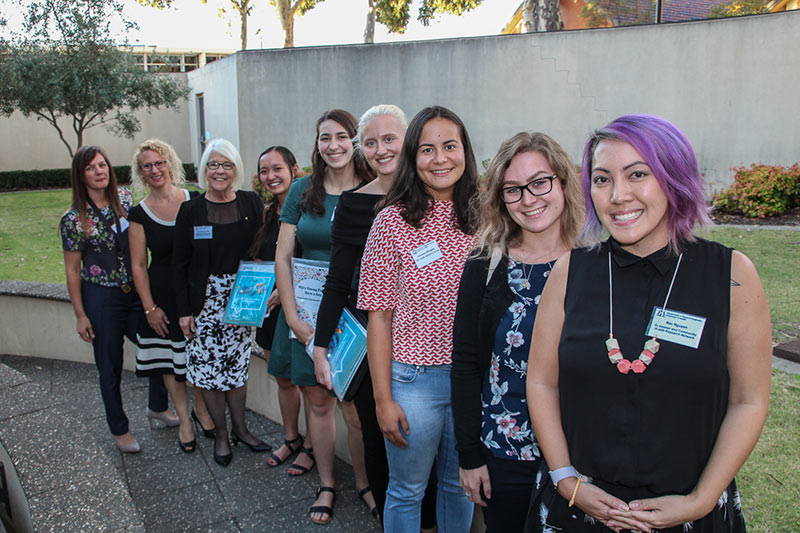
The Kids welcomes the launch of WA’s first policy on youth health which will give young people a voice in the planning of health services that affect them.

Researchers conducted a series of group interviews with young people to find out how much they knew about energy drinks and the consequences of drinking them.

A major review by WA researchers has found medication used to suppress puberty can improve the mental health of young people who are trans or gender diverse.
Polyunsaturated fatty acid intake and blood pressure in adolescents, cross-sectional associations, BP and dietary intake of PUFAs, adolescents, aged 13-15 years
The objective of this study is to identify distinct age-related trajectory classes of body mass index (BMI) z-scores from childhood to adolescence