
Search
Using over 50 thousand time-use diaries from two cohorts of children, we document significant gender differences in time allocation in the first 16 years in life. Relative to males, females spend more time on personal care, chores and educational activities and less time on physical and media related activities. These gender gaps in time allocation appear at very young ages and widen overtime.
Respiratory viruses are increasingly detected in children with community-acquired pneumonia but prevalence estimates vary substantially. We aimed to systematically review and pool estimates for 22 viruses commonly associated with community-acquired pneumonia.
The aim of this study was to devise an evidence-based missing data rule for the Quality of Life Inventory-Disability (QI-Disability) questionnaire specifying how many missing items are permissible for domain and total scores to be calculated using simple imputation.
Pregnancy and the postnatal period can be a time of increased psychological distress, which can be detrimental to both the mother and the developing child. Digital interventions are cost-effective and accessible tools to support positive mental health in women during the perinatal period.

Strengths-based, tiered, accessible, resources and supports (STARS) for Kids for parent, carers and their children.
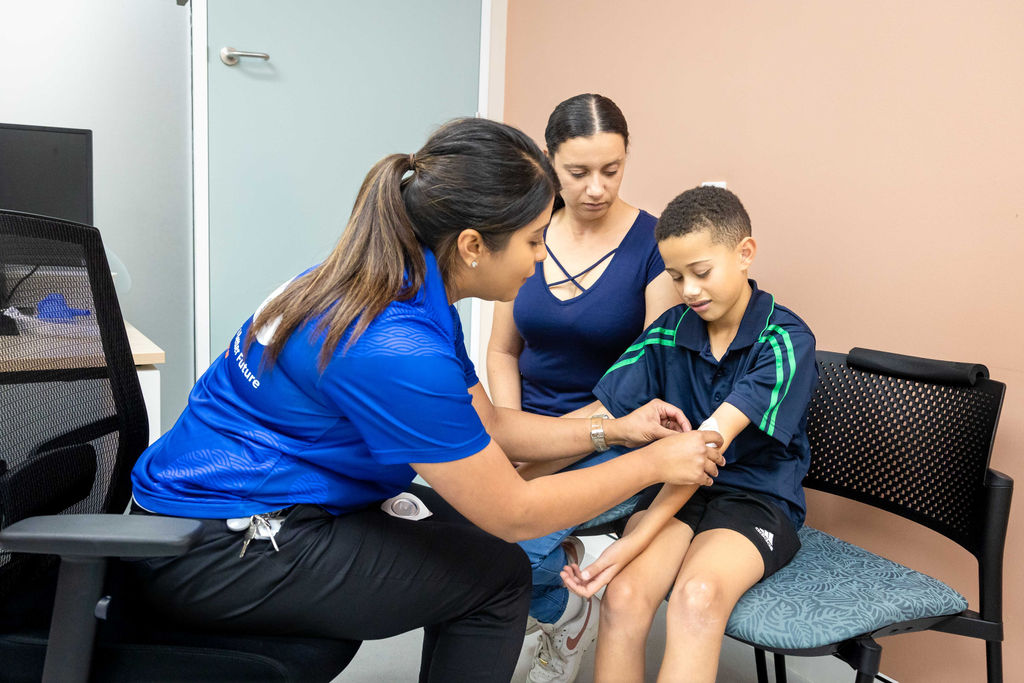
Exploring opportunities for early diagnosis and intervention and the impact this has on improving family healthcare.

Explore some of the frequently asked questions that The C3 Study receives.
We previously reported the efficacy of the adjuvanted-protein COVID-19 vaccine candidate S-Trimer (SCB-2019) in adults who showed no evidence of previous exposure to SARS-CoV-2. In this study, we aimed to investigate the extent of protection afforded by previous exposure to SARS-CoV-2 on subsequent COVID-19 infection, as well as the efficacy, safety, and reactogenicity of SCB-2019 in participants who were enrolled in the Study.
Peter Britta Richmond Regli-von Ungern-Sternberg AM FAHMS MBBS MRCP(UK) FRACP MD, PhD, DEAA, FANZA Head, Vaccine Trials Group Chair of Paediatric
Maternal milk feeding may have unique long-term neurodevelopmental benefits in very preterm infants. We examine the extent to which maternal milk feeding after very preterm birth is associated with cognitive, academic, and behavioral outcomes at school age.