
Search

Four leading The Kids Research Institute Australia researchers have been awarded Fellowships from the National Health and Medical Research Council (NHMRC).
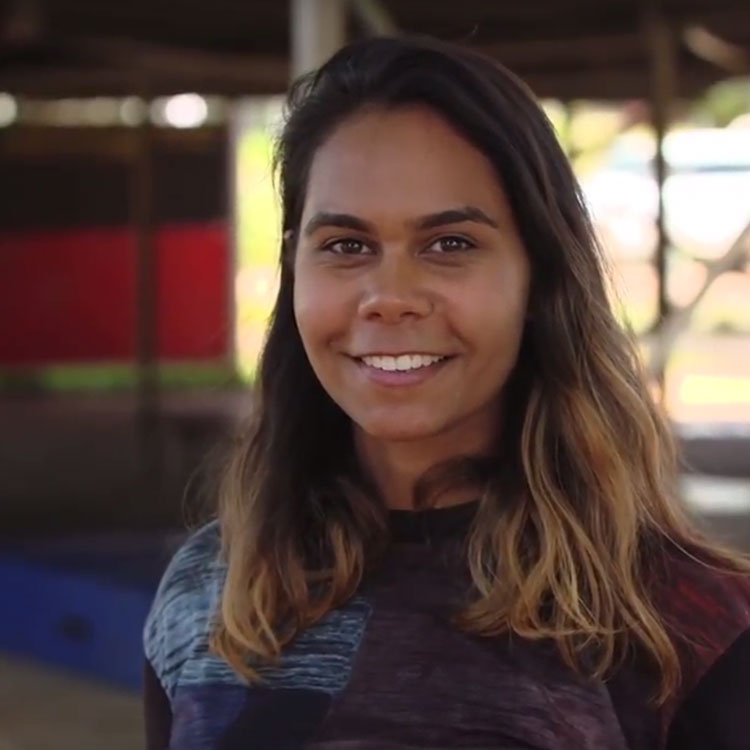
Vinka Barunga has made history by becoming the first Aboriginal doctor from Derby and she's also added The Kids researcher to her list of achievements.

Congratulations to three The Kids Research Institute Australia researchers, who have been awarded funding from the Raine Medical Research Foundation.
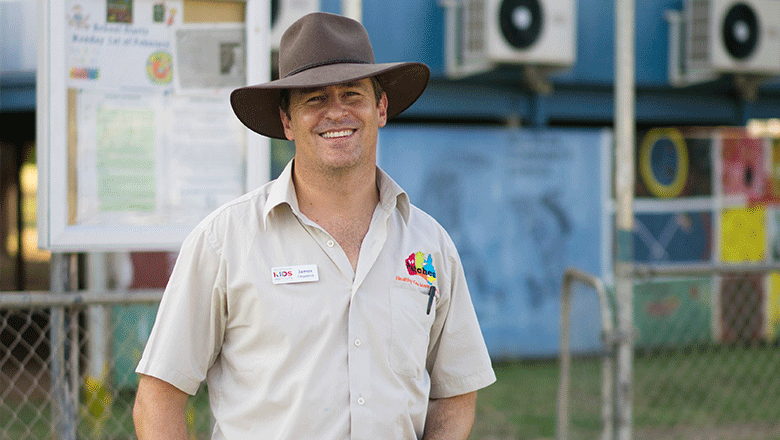
Among the highest rates of Fetal Alcohol Syndrome (FAS) worldwide have been reported by Aboriginal community leaders in the remote Fitzroy Valley.
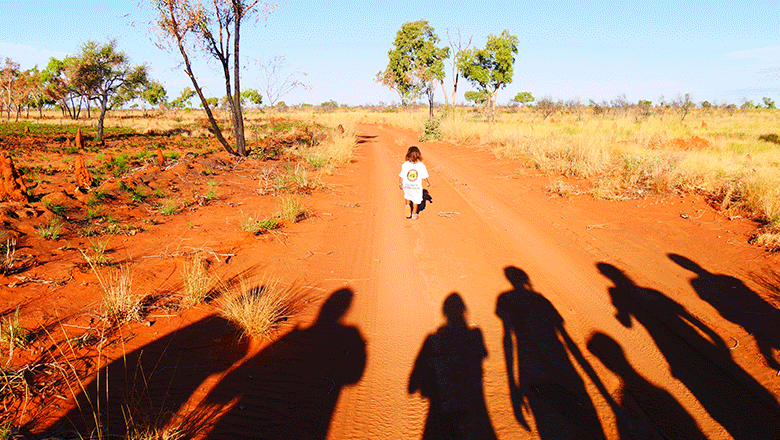
There is growing evidence that alcohol restrictions are effective in empowering communities to reduce the immediate and long term impacts of alcohol.
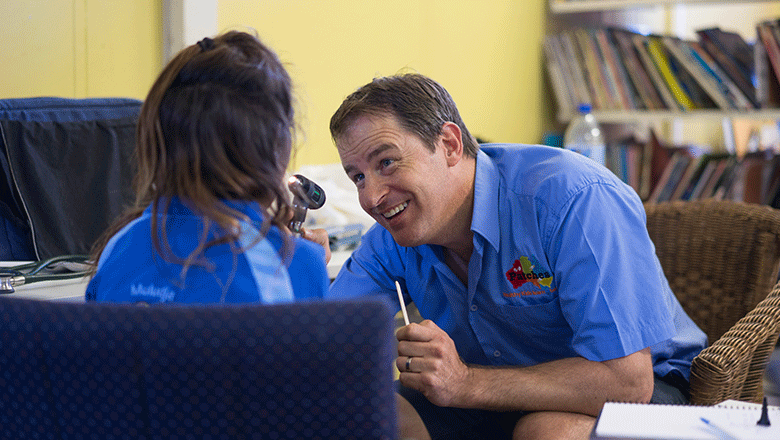
Researchers at The Kids Research Institute Australia have developed a range of new resources to help lawyers, judicial officers and other justice professionals
The Telethon Kids Institute has welcomed the expansion of clinical services for young people with Fetal Alcohol Spectrum Disorders (FASD).
Researchers at The Kids Research Institute Australia will establish a national framework to tackle Fetal Alcohol Spectrum Disorder (FASD).
Researchers at The Kids for Child Health Research have been awarded more than $1.4M to assess how many juvenile offenders are affected by FASD.
Leading researchers into the effects of alcohol in pregnancy have thrown their support behind the recommendations of a national Inquiry into FASD.