
Search
Despite widespread use of pneumococcal conjugate vaccines (PCVs) in children, morbidity and mortality caused by pneumococcal disease (PD) remain high. In addition, many children do not complete their PCV course on schedule. V114 is a 15-valent PCV that contains two epidemiologically important serotypes, 22F and 33F, in addition to the 13 serotypes present in PCV13, the licensed 13-valent PCV.
Influenza vaccine effectiveness and immunogenicity can be compromised with repeated vaccination. We assessed immunological markers in a cohort of healthcare workers (HCW) from six public hospitals around Australia during 2020-2021.
The COVID-19 pandemic evidenced the critical role of vaccination in reducing the severity of illness and the risk of infection. Despite the policies and efforts of governments to increase vaccination uptake, COVID-19 immunization among Australian Aboriginal pregnant women is lower compared to vaccine uptake of non-Indigenous pregnant women.
Intranasal vaccines offer a needle-free strategy to enhance immunity to respiratory infections. We investigated the mechanism of action of a novel intranasal vaccine using the human respiratory commensal Haemophilus haemolyticus, previously shown to protect against nontypeable Haemophilus influenzae otitis media and accelerate clearance of influenza A virus.

Eight The Kids Research Institute Australia researchers are among those who have received grant funding from the Telethon-Perth Children’s Hospital Research Fund (TPCHRF).
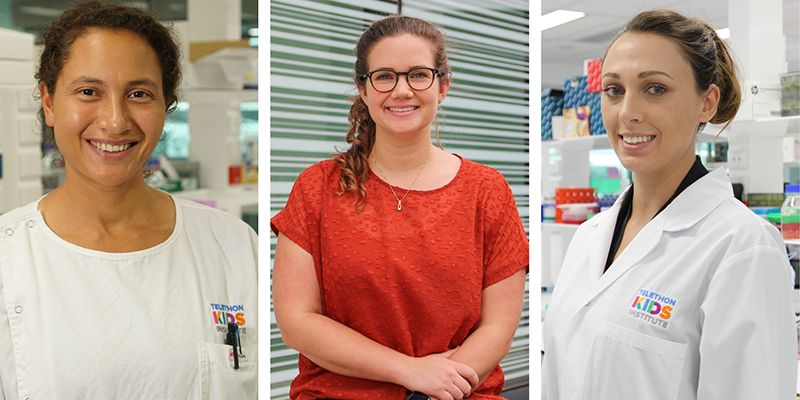
Three outstanding young researchers from The Kids Research Institute Australia have been named Raine Fellows and received valuable Raine Priming Grants to support their child health research.