
Search
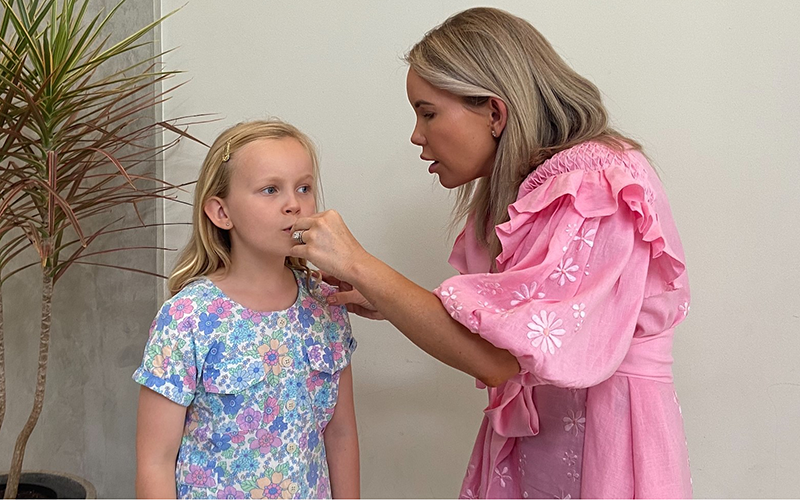
Researchers will be asking random households across metropolitan Perth to undertake COVID tests to reveal how much undetected infection is in the community.
Contact tracing is an important public health measure used to reduce transmission of infectious diseases. Contact tracers typically conduct telephone interviews with cases to identify contacts and direct them to quarantine, with the aim of preventing onward transmission. However, in situations where caseloads exceed the capacity of the public health system, timely interviews may not be feasible for all cases. Here we present a modelling framework for assessing the impact of different case interview prioritisation strategies on disease transmission.
Japanese Encephalitis virus is a mosquito-borne virus that is typically only found in south-east Asia.
The ACEFA NHMRC Centre of Research Excellence aims to support the timely, effective response to epidemic diseases in Australia through real-time data analytics, modelling, and forecasting.
Adam Punam Susan Saddler Amratia Rumisha PhD PhD PhD (Biostatistics) Senior Research Officer Honorary Research Associate Honorary Research Associate
Punam Susan Tasmin Amratia Rumisha Symons PhD PhD (Biostatistics) Honorary Research Associate Honorary Research Associate Honorary Research Associate
Punam Susan Tasmin Amratia Rumisha Symons PhD PhD (Biostatistics) Honorary Research Associate Honorary Research Associate Honorary Research Associate
Globally, non-communicable diseases (NCD) kill about 40 million people annually, with about three-quarters of the deaths occurring in low- and middle-income countries. This study was carried out to determine the patterns, trends, and causes of in-hospital non-communicable disease (NCD) and injury deaths in Tanzania from 2006-2015.
Human immunodeficiency virus and acquired immune deficiency syndrome (HIV/AIDS) is still among the leading causes of disease burden and mortality in sub-Saharan Africa (SSA), and the world is not on track to meet targets set for ending the epidemic by the Joint United Nations Programme on HIV/AIDS (UNAIDS) and the United Nations Sustainable Development Goals (SDGs).
While undernutrition has been identified as a common risk factor for tuberculosis (TB), its impact on treatment outcomes has yet to be investigated in high TB burden and low-income countries such as Ethiopia. Therefore, this study aimed to investigate the effect of undernutrition on treatment outcomes among patients with TB in northwest Ethiopia.