
Search
Multiple SARS-CoV-2 variants have emerged over the COVID-19 pandemic. The implications for COVID-19 severity in children worldwide are unclear. The objective was to determine whether the dominant circulating SARS-CoV-2 variants of concern (VOCs) were associated with differences in COVID-19 severity among hospitalized children.
SARS-CoV-2 infection is associated with a significant risk of hospitalisation, death, and prolonged impact on quality of life. Evaluation of new treatment options and optimising therapeutic management of people hospitalised with SARS-CoV-2 infection remains essential, but rapid changes in pandemic conditions and potential therapies have limited the utility of traditional approaches to randomised controlled trials.
Health care workers (HCWs) faced an increased risk of Coronavirus Disease 2019 (COVID-19). Australia’s COVID-19 vaccine rollout commenced in February 2021 to priority groups, including HCWs. Given their increased risk, as well as influence on patients’ vaccine uptake, it was important that HCWs had a positive COVID-19 vaccination experience, as well as trusting the vaccine safety and efficacy data.
Seasonal inactivated influenza vaccine (IIV) is routinely recommended during pregnancy to protect both mothers and infants from complications following influenza infection. While previous studies have evaluated the risk of major structural birth defects in infants associated with prenatal administration of monovalent pandemic IIV, fewer studies have evaluated the risk associated with prenatal seasonal IIV.
During the COVID-19 pandemic, and particularly 2020-2021, young adults were often significant transmitters of the virus. Prior to the availability of vaccines for young adults, we sought to understand what would contribute to their uptake of a COVID-19 vaccine and how government policy might intervene. We undertook qualitative interviews between February and April 2021 with 19 participants (aged 18-29) in Perth, Western Australia.
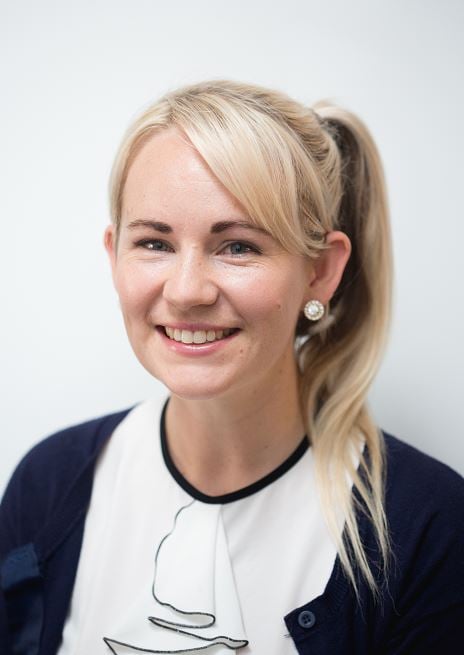
Senior Research Fellow
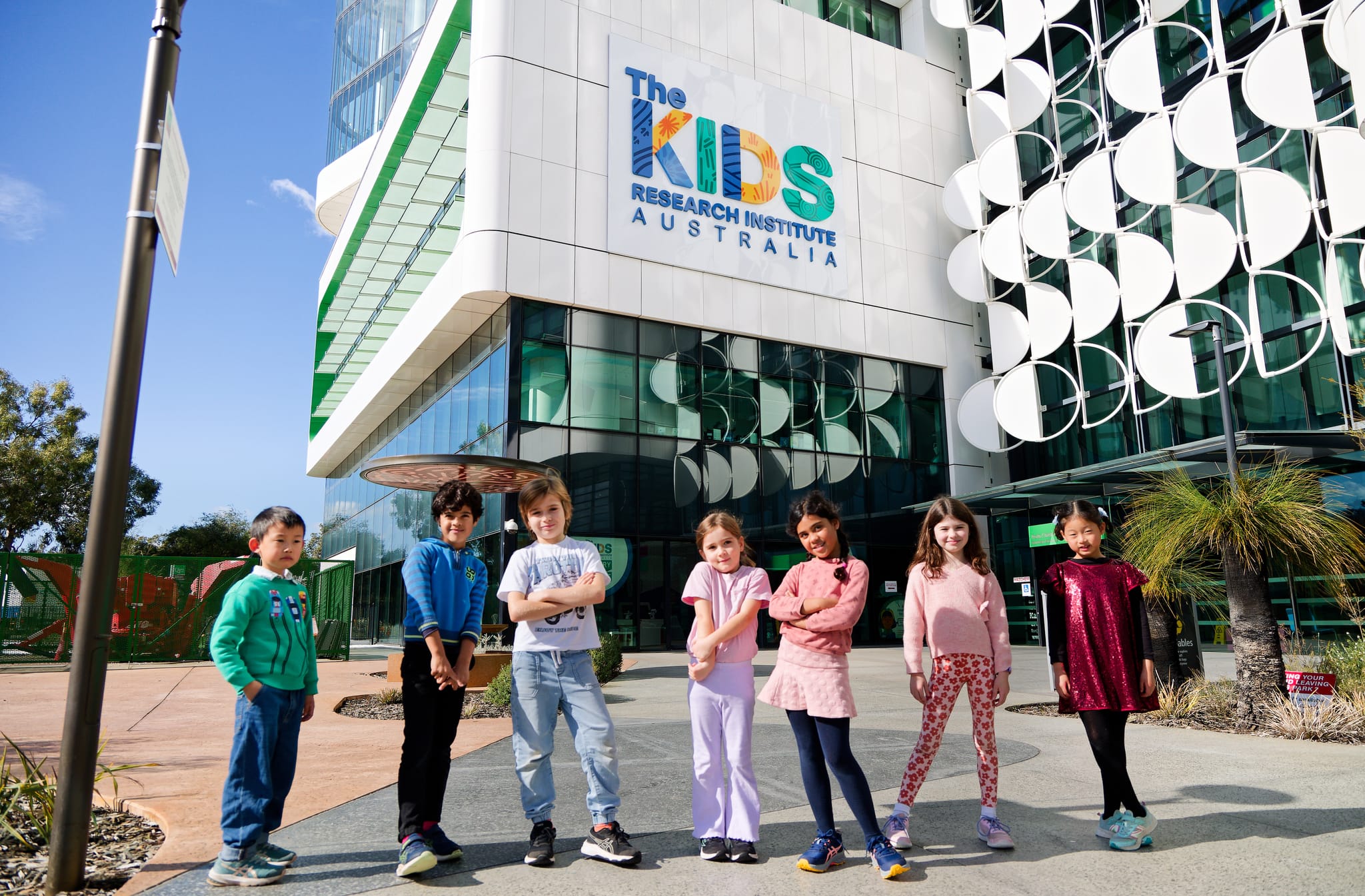
Researchers from The Kids Research Institute Australia will share in almost $4 million in grants to continue groundbreaking research to tackle childhood cancer, asthma, respiratory viral infections and more.
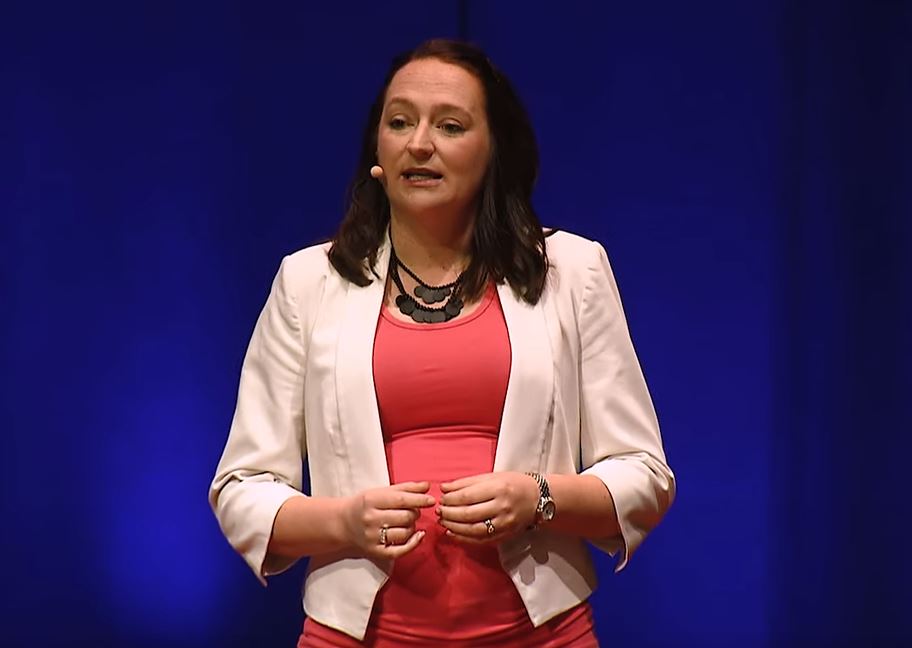
Dr Hannah Moore was one of WA’s brightest minds chosen to speak at TEDX Perth in November last year, presenting her insights into the power of data in fighting infectious diseases to a sold-out crowd at the Perth Concert Hall.
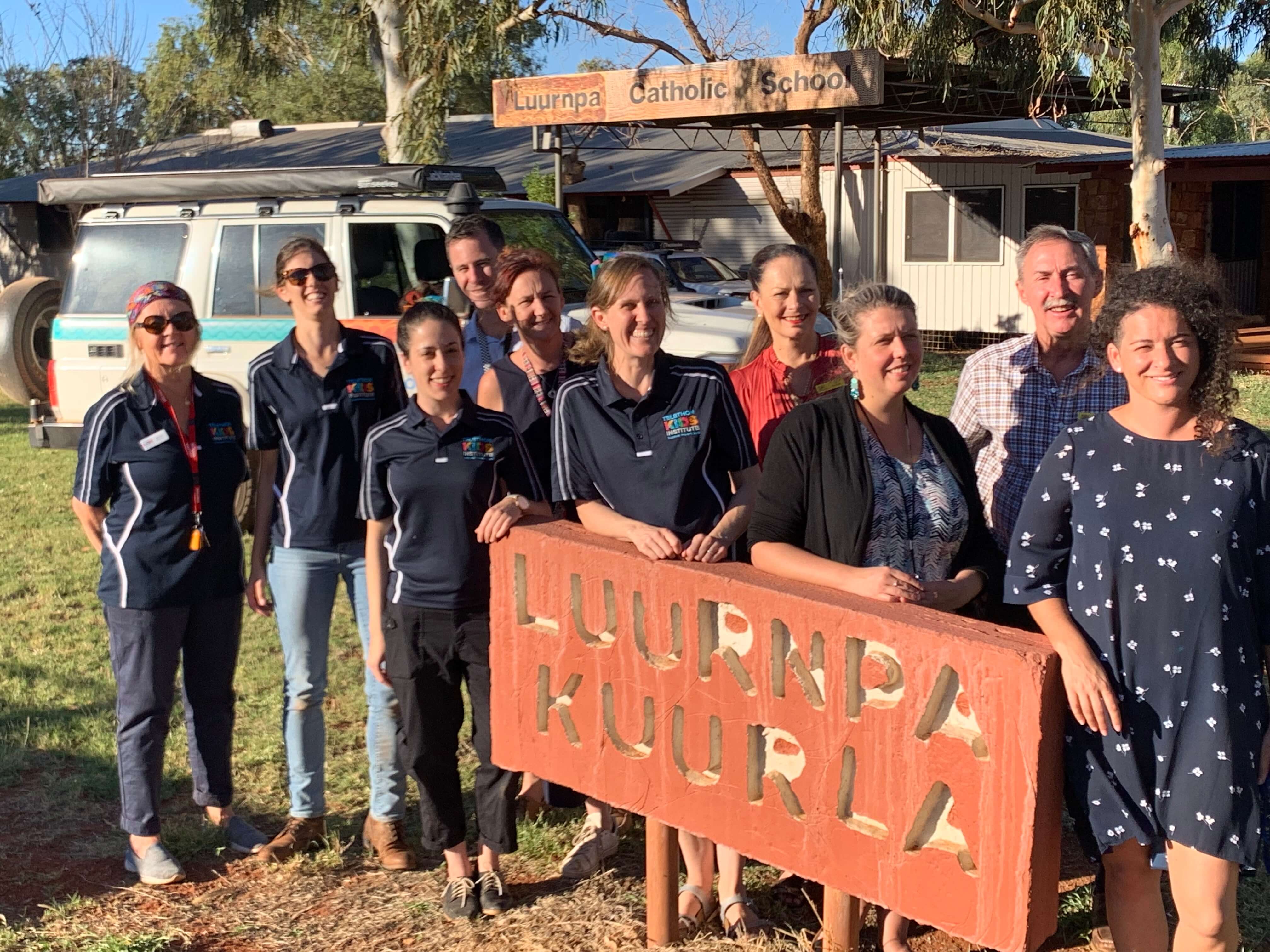
The The Kids Skin Health team has a busy six weeks ahead - visiting nine communities throughout the Kimberley region of WA as part of the first school surveillance activities for the SToP Trial.
A year after launching the first National Healthy Skin Guideline to address record rates of skin infections in Australia’s Indigenous communities, The Kids Research Institute Australia has released a new resource as part of the guideline.