
Search

The Indigenous Genomics Group aims to build Indigenous leadership in genomic and data sciences, precision health, and ethics to improve health equity and the wellbeing of Indigenous people, families and communities.

The research of the Translational Genetics team is focussed on providing molecular analysis of genetic variants (gene mutations), to better inform the early and accurate diagnosis of children living with genetic and rare diseases.

The aim of the Translational Intelligence team is to understand how individual bases in our genome predispose, alter and interact in normal and disease contexts.
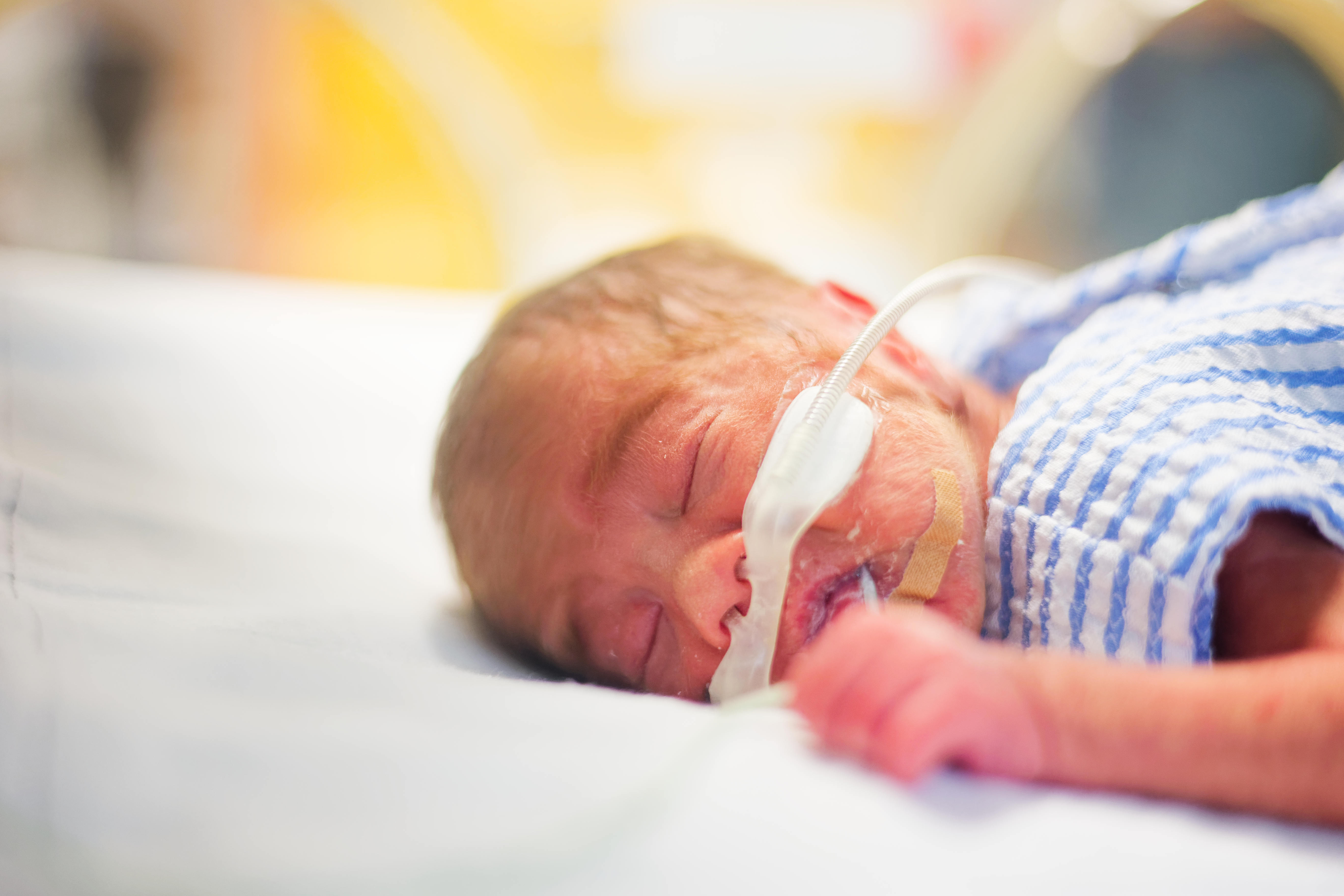
Focuses on understanding and improving early childhood health and development to set the foundation for lifelong wellbeing. By addressing factors from pregnancy through early years, this theme aims to optimise health outcomes from the very start.
Group A Streptococcus (Strep A) causes a wide spectrum of diseases, ranging from pharyngitis and impetigo to severe invasive infections and immune-mediated conditions such as acute rheumatic fever, rheumatic heart disease and acute post-streptococcal glomerulonephritis. Contemporary data on the global burden of Strep A diseases are lacking.
Dog ownership has been suggested to be positively associated with children's physical, social, and emotional development. This study investigated the effect of a mobile health dog-facilitated physical activity intervention on young children's social-emotional development and attachment to the family dog.
Men’s Sheds offer promising sites for unique health promotion opportunities, and while prior work has identified potential mechanisms that may support wellbeing, these mechanisms are yet to be empirically clarified in the Men’s Shed context. This study investigated the relationships between engagement in Men’s Sheds, social identification, social connectedness, social support, and wellbeing outcomes in Men’s Shed members in Western Australia.
With young adults' rates of mental health problems alarmingly high, understanding resilience characteristics that help young people adapt, adjust, and even thrive in the face of stress is a pressing need. This study takes a daily diary approach, examining four resilience factors, measured a priori, covering multiple domains. Young adults' daily stress responses (reactivity, recovery, inertia) during the globally stressful lockdown period three years later were then explored as key outcomes.
Indigenous communities are under-represented in genomics research, contributing to inequitable health-related knowledge, outcomes, and benefits. Under-representation reflects enduring consequences of colonial research practices that have engendered cultural, ethical, legal, and social (CELS) concerns among communities.
We conducted the non-invasive surveillance of Plasmodium knowlesi in wild macaques using 4,752 faecal samples collected across nine endemic countries.