
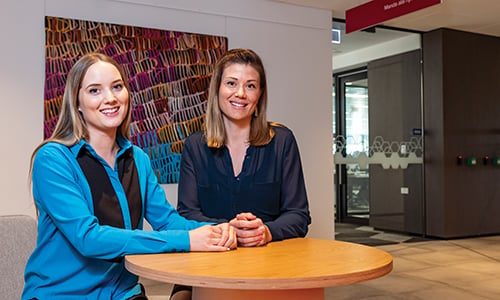
The two-year study, which was the first in Australia to assess and diagnose young people in a youth custodial setting for Fetal Alcohol Spectrum Diso…
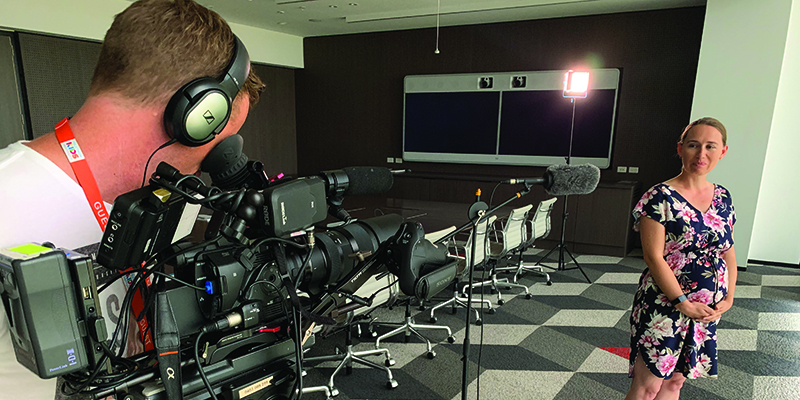
A screening tool to help midwives and other health professionals contribute to the prevention of FASD is changing maternity practice across WA public…
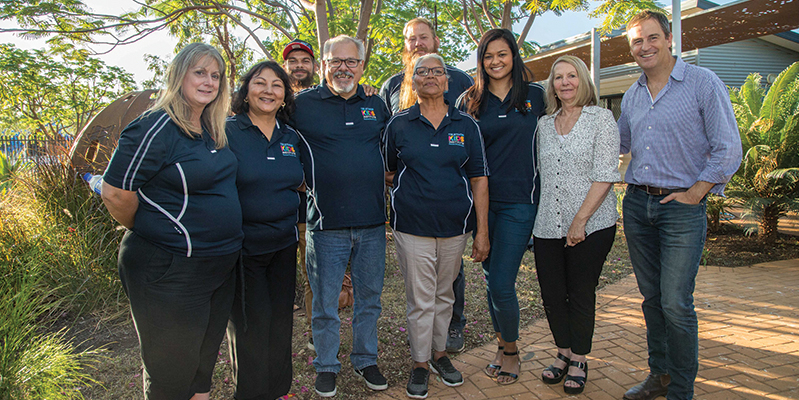
A $5 million commitment from BHP has allowed The Kids researchers and Aboriginal communities to make FASD history in the Pilbara.
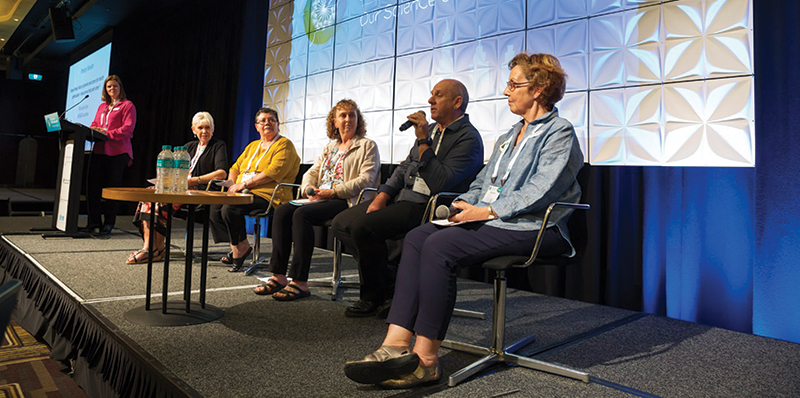
Held every two years, the Australasian FASD Conference is a significant and unifying event for those in the Fetal Alcohol Spectrum Disorder sector.
This community partnered pilot research, evaluated a school-based program to reduce the behavioral impact of fetal alcohol spectrum disorder
Despite the existence of a national alcohol guideline for breastfeeding women, maternal health practitioners are not incorporating this advice
Accurately assessing prenatal alcohol consumption is exceptionally challenging when assessed retrospectively as part of a FASD assessment for a young…
Drawing on previous research, caseload midwifery has potential to support the prevention of fetal alcohol spectrum disorder through continuity of care
Visual motor integration and handwriting skills were often impaired in this population of young people in a youth detention centre

Researchers into fetal alcohol spectrum disorder (FASD) have welcomed the Federal Government’s announcement of a ten-year national action plan that w…