
Search
The aim of RESP-ACT is to reduce these children’s respiratory hospital admissions and visits to Emergency Department, and to help them and their families to have as the best possible quality of life.

The research that is reducing the impact on families done by The Kids Research Institute Australia.

Ask our experts a question about the COVID-19 pandemic.
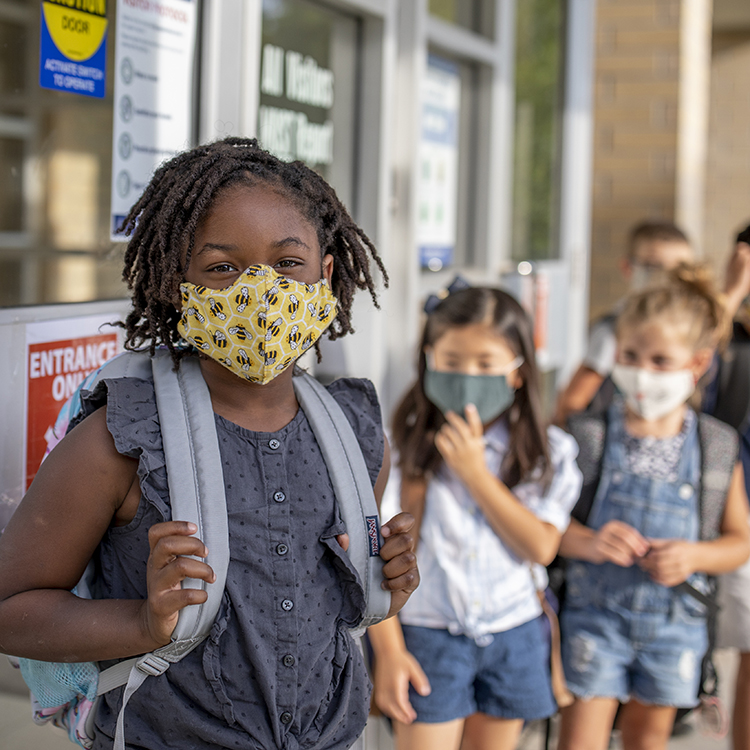
View the full catalogue of The Kids Research Institute Australia COVID-19 video resources.
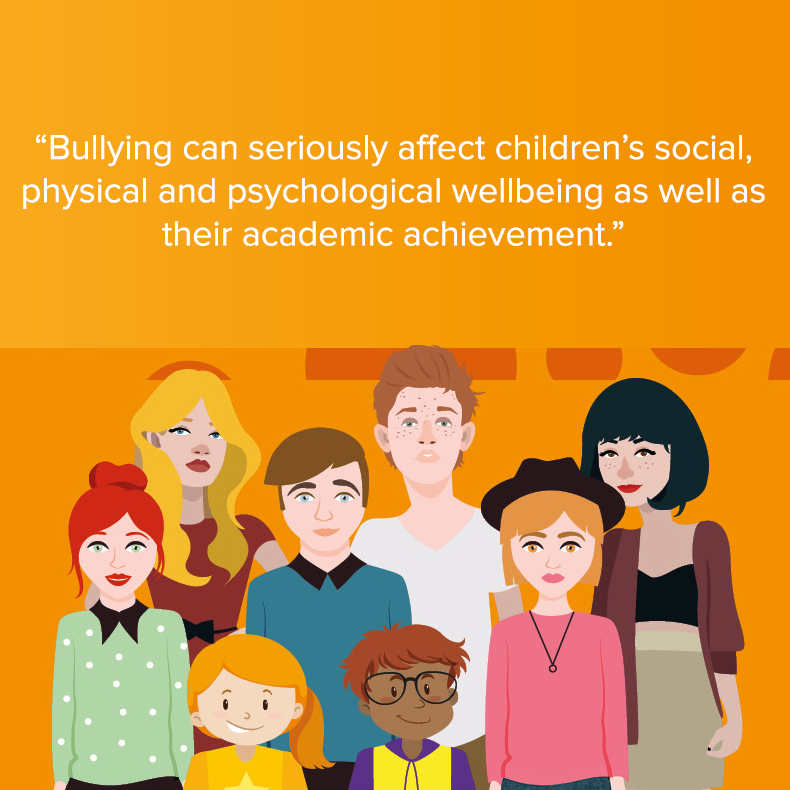
Infographics to easily learn more about bullying and what actions to take should bullying be an issue in your school or community.
Leukaemia, also spelled leukemia, is a cancer that develops in the bone marrow and results in abnormal white blood cells. It is the most common cancer in children, accounting for almost a third of all childhood & teen cancers.
Glue ear is when a child's middle ear fills with sticky fluid behind the ear drum. A common condition, glue ear usually goes undetected, as it's not an obvious condition from the outside.
In Vitro Fertilisation (IVF) is an Assisted Reproductive Technology (ART) in which an egg is fertilised by sperm outside the body.
Dissociative disorders in children and young adolescents are under-recognised and under-treated. Current diagnostic criteria rely on downward extensions of adult models and do not adequately consider developmental differences in younger populations. This reliance risks overlooking symptom patterns that may be unique in childhood, thereby perpetuating diagnostic gaps and delayed treatment.
Rhinoviruses (RV) are the most common respiratory viruses globally and a major cause of airway symptoms in children and individuals with asthma. Although more than 170 RV types exist across 3 species (RV-A, RV-B, RV-C), type-specific circulation patterns and age-related prevalence remain poorly defined.