
Search
Evidence suggests that children who had received an initial priming dose of whole-cell pertussis (wP) vaccine, rather than acellular pertussis (aP) vaccine, had a lower risk of developing IgE-mediated food allergy, the most common cause of anaphylaxis-related hospital presentations of childhood.
The number of words children produce (expressive vocabulary) and understand (receptive vocabulary) changes rapidly during early development, partially due to genetic factors. Here, we performed a meta-genome-wide association study of vocabulary acquisition and investigated polygenic overlap with literacy, cognition, developmental phenotypes, and neurodevelopmental conditions, including attention-deficit/hyperactivity disorder.

The ultimate goal of ORIGINS is to reduce the rising epidemic of non-communicable diseases through 'a healthy start to life'.

Get in touch with ORIGINS via email, phone, or visit us at The Kids Research Institute Australia in Edgewater or Nedlands.
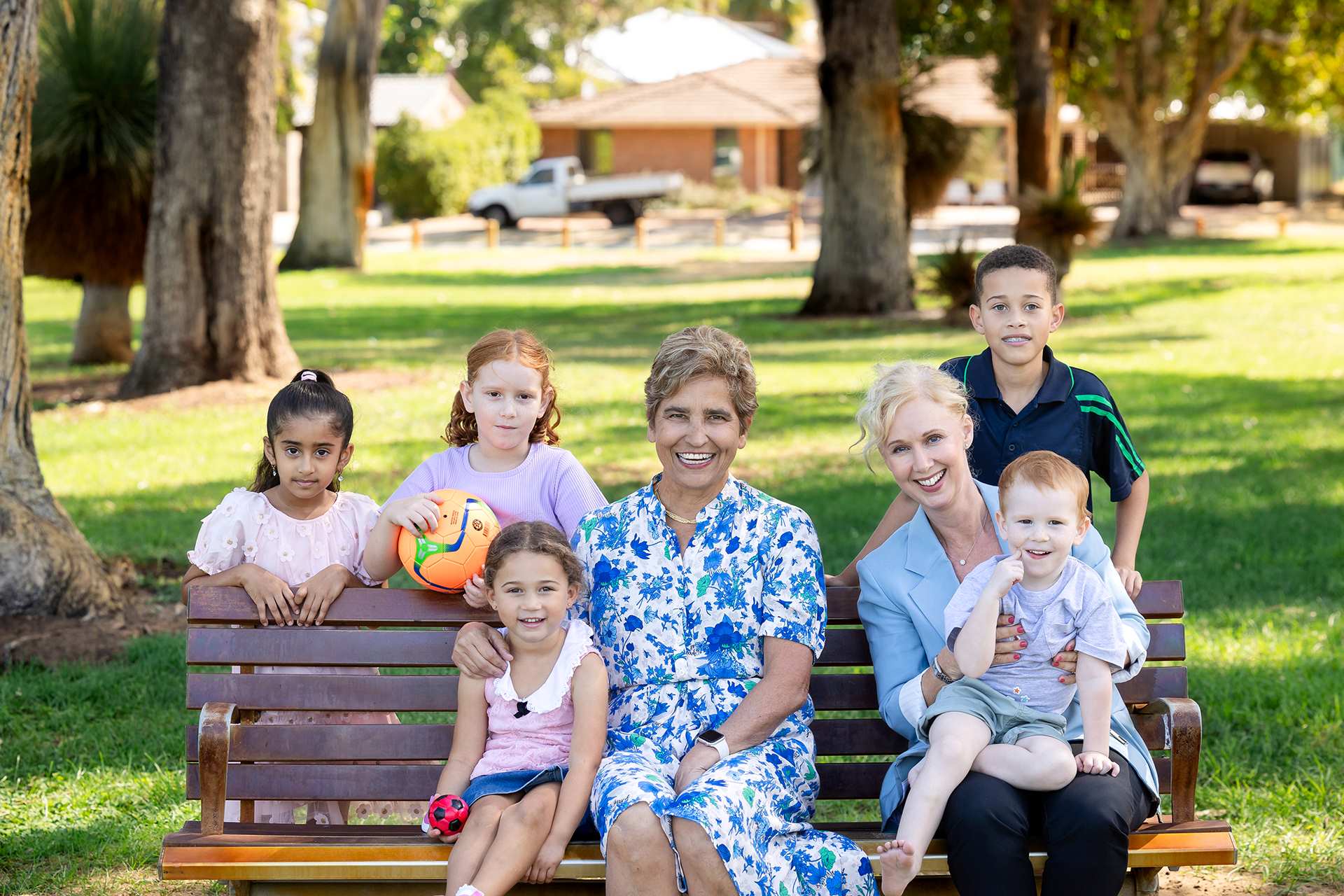
Our vision: lifelong flourishing for children and their families
Find out more about the activities and highlights of ORIGINS.
Meet the directors and researchers that make up the team behind ORIGINS.

Developmental Origins of Health and Disease
See the latest ORIGINS news.

ORIGINS has secured $500,000 in funding from the WA Government’s Future Health Research and Innovation (FHRI) Fund.