
Search
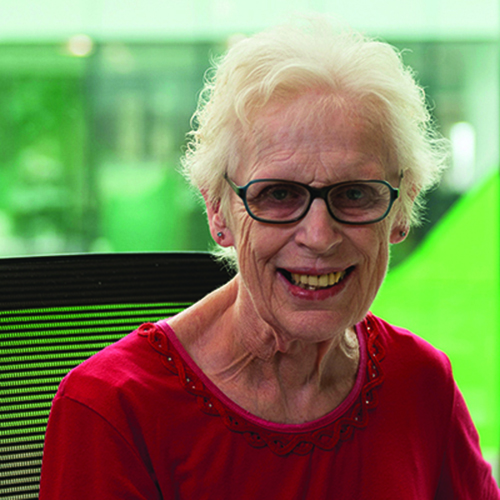
The Kids Research Institute Australia disability researcher, Associate Professor Helen Leonard, played an important role in the identification of the differences that define CDD, thanks to her extensive experience researching Rett syndrome and running an Australian online database tracking Rett cases.
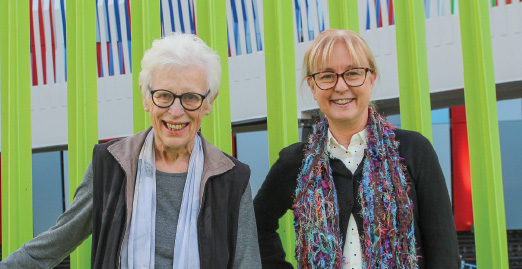
The Kids Research Institute Australia is helping scientists across the globe inch their way towards clinical trials which could, at last, provide relief for children and families dealing with CDKL5.
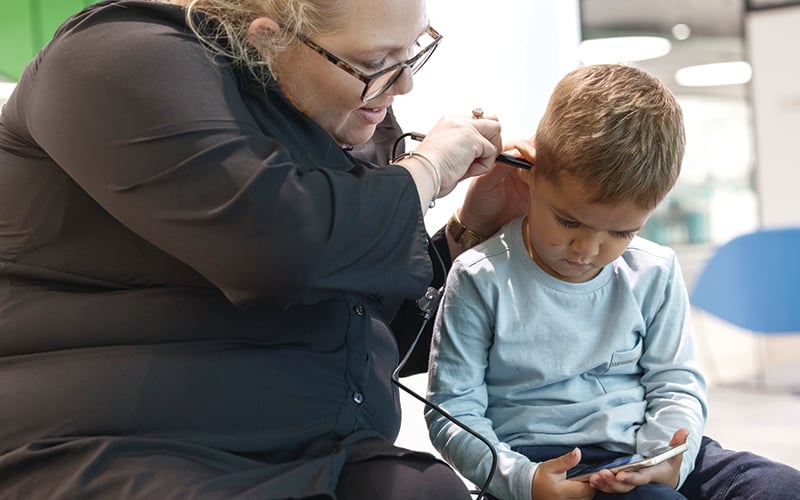
An innovative The Kids program is helping to slash waiting times so children can have their ear problems checked within days.
Parents and caregivers often turn to the internet for information about their child's health and development. Research investigating content related to parenting on the world's most popular social media platform, TikTok, has not been conducted.
Remote-living Aboriginal children in Australia contend with higher rates of skin infections than non-Indigenous children. This work was embedded within a stepped-wedge, cluster randomised controlled trial aiming to halve the rate of skin infections in remote Kimberley communities. It outlines and reflects upon the co-development of a health promotion resource in partnership with the East Kimberley community of Warmun, whilst understanding community perceptions of its impact.
This study evaluated the association between insulin regimen, hospitalization for acute diabetes complications, and related health care costs in children with type 1 diabetes (T1D). Hospital admissions for diabetic ketoacidosis or hypoglycemia between January 5, 2022, and April 30, 2024, were analyzed in Western Australian children with T1D. Admissions due to newly diagnosed T1D were excluded. Incidence rate ratios were calculated using generalized estimating equations, adjusted for age, diabetes duration, and socioeconomic status.
Gathering Autistic young people's testimony is critical for understanding their lived experience of education and designing settings in which these students can thrive. Despite increasing knowledge in this field, we lack perspectives from a broad range of Autistic students which necessarily limits our ability to build inclusive, supportive environments for all. This study explored the educational experiences of preschool and school-aged Autistic students from diverse age groups, backgrounds, and educational settings.
Notifications of syphilis in Australia have increased since 2011, particularly among gay and bisexual men who have sex with men (GBMSM). Adherence to current late latent syphilis treatment regimen is low-moderate, which is a significant health issue. To address this treatment non-compliance, a single high-dose benzathine benzylpenicillin G regimen has been under clinical trial.
Steve Zubrick FASSA, FAAMHS, MSc AM PhD Honorary Emeritus Research Fellow 08 6319 1409 Stephen.zubrick@thekids.org.au Honorary Emeritus Research
Little evidence exists on the postoperative trajectory after paediatric orthopaedic surgery. Pain and behavioural disturbance can have short- and long-term impacts on children and their families. An improved understanding of procedure-specific postoperative trajectories can enhance recovery. The primary outcome was to examine the duration and severity of postoperative pain experienced by children undergoing 10 commonly performed orthopaedic procedures.