
Search
Gender- and sexuality-diverse (GSD) youths are at increased risk of depression and anxiety compared with their cisgender and heterosexual counterparts. Little is known about the risks for younger GSD adolescents (<15 years).
Young people who are lesbian, gay, bisexual, trans, queer or questioning, asexual and other diverse genders and sexualities (LGBTQA+) are at greater risk of adverse mental health outcomes and suicide, with additional barriers to accessing safe and affirming physical and mental health services in comparison to the general population.
LGBTQA + people are less likely to access mental health care despite an increased risk of adverse mental health outcomes including suicidal thoughts and behaviours. The present study aimed to explore Australian LGBTQA + young people's perceptions of key factors associated with access to suicide prevention services.
Children far in advance of pubertal development may be deferred from further assessment for gender-affirming medical treatment until nearer puberty. It is vital that returning peripubertal patients are seen promptly to ensure time-sensitive assessment and provision of puberty suppression treatment where appropriate.
This study examines gender and socioeconomic inequalities in parental psychological wellbeing (parenting stress and psychological distress) during the COVID-19 pandemic in Germany. Background: The dramatic shift of childcare and schooling responsibility from formal institutions to private households during the pandemic has put families under enormous stress and raised concerns about caregivers’ health and wellbeing.
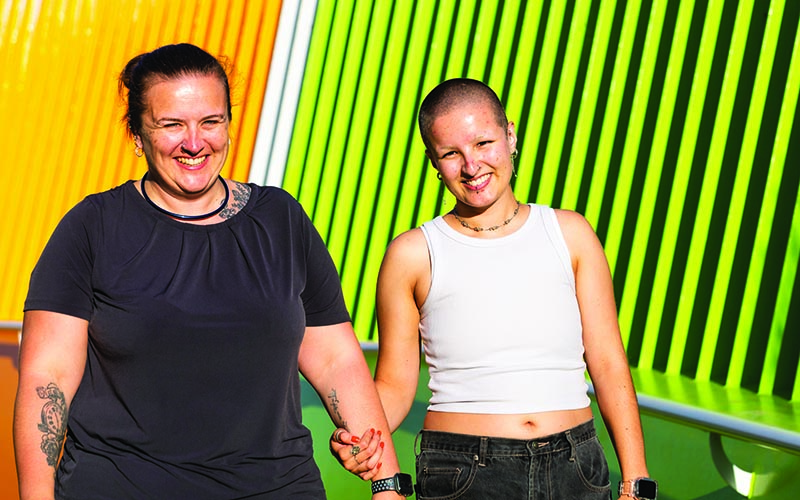
A new website for parents of trans children and young people across Australia is expected to improve family wellbeing and ultimately save lives after launching in May 2023.
Not all children or teenagers identify with the gender they were assigned at birth. As a result, some may choose to change their name, their clothes or their body. With considerably higher rates of depression, anxiety, self-harm and attempted suicide, the need for specialist mental health services has been recognised.
Conversion practices (sometimes referred to as 'conversion therapy') refer to interventions that aim to change a person's sexual orientation or gender identity. While these are often associated with faith-based settings, they can also occur in secular healthcare contexts. The practices are associated with significant psychological harm.
The formation of online communities instils a sense of connectedness which can ameliorate the mental health concerns that result from minority stressors for lesbian, gay, queer, intersex, asexual, and other diverse genders/sexualities (LGBTQIA+). The aim of this study was to explore how LGBTQIA + people communicate social and mental health concerns on TikTok.
It is likely that young people who are both Aboriginal and Torres Strait Islander and LGBTQA+ would be at increased risk for poor mental health outcomes due to the layered impacts of discrimination they experience; however, there is very little empirical evidence focused on the mental health and wellbeing of Aboriginal and Torres Strait Islander LGBTQA+ young people. The current study represents a qualitative exploration of wellbeing among Aboriginal LGBTQA+ young people.