
Search
We tested the potential for Gazefinder eye-tracking to support early autism identification, including feasible use with infants, and preliminary concurrent validity of trial-level gaze data against clinical assessment scores. We embedded the ~ 2-min 'Scene 1S4' protocol within a comprehensive clinical assessment for 54 consecutively-referred, clinically-indicated infants (prematurity-corrected age 9-14 months).
Clinical decision support systems (CDSS) are increasingly utilised within healthcare settings to enhance decision making. However, few studies have investigated their application in the context of clinical services for autistic people, with no research to date exploring the perspectives of the key stakeholders who are, or in the future may be, impacted by their use.
A problem that applied researchers and practitioners often face is the fact that different institutions within research consortia use different scales to evaluate the same construct which makes comparison of the results and pooling challenging.
Most support programmes for Autistic children are available only after they are diagnosed. Research suggests that parenting supports may be helpful for parents and their infants, when provided in the first 2 years of life - before a formal diagnosis is given, but when information suggests an infant is more likely to be Autistic. However, we do not know how acceptable these types of supports might be to the Autistic and autism communities.
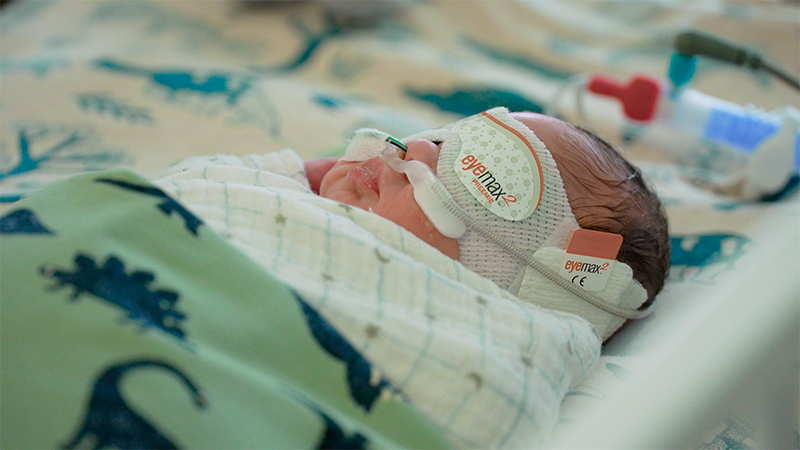
Researchers will fit nearly 500 preterm babies with tiny eye masks and earplugs for the study.
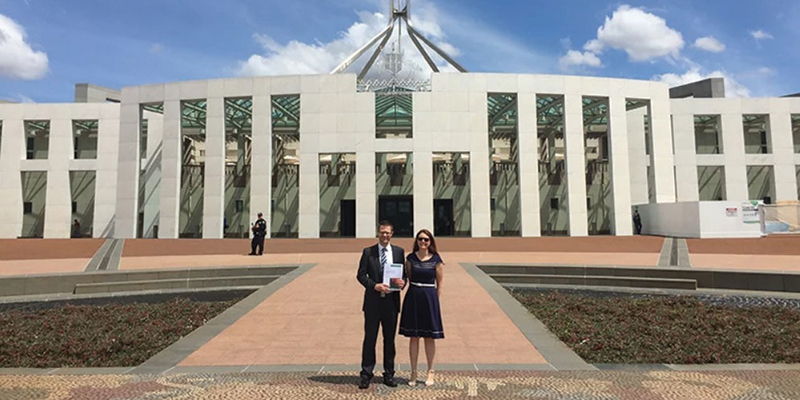
In October 2018, the Autism CRC released A National Guideline for the Assessment and Diagnosis of Autism Spectrum Disorders in Australia.
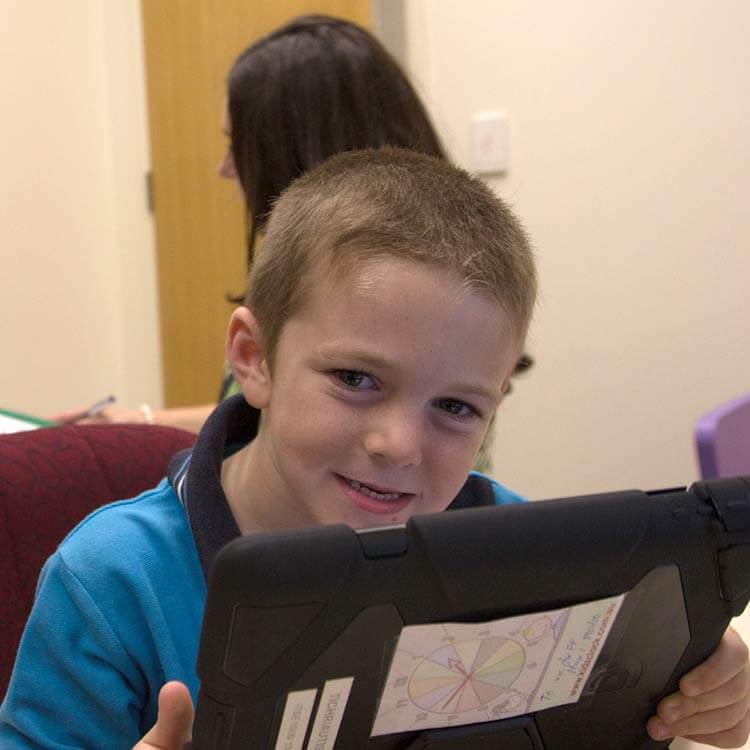
A world leading Autism biobank has been officially launched in Australia today by the Minister for Health, the Hon Sussan Ley.
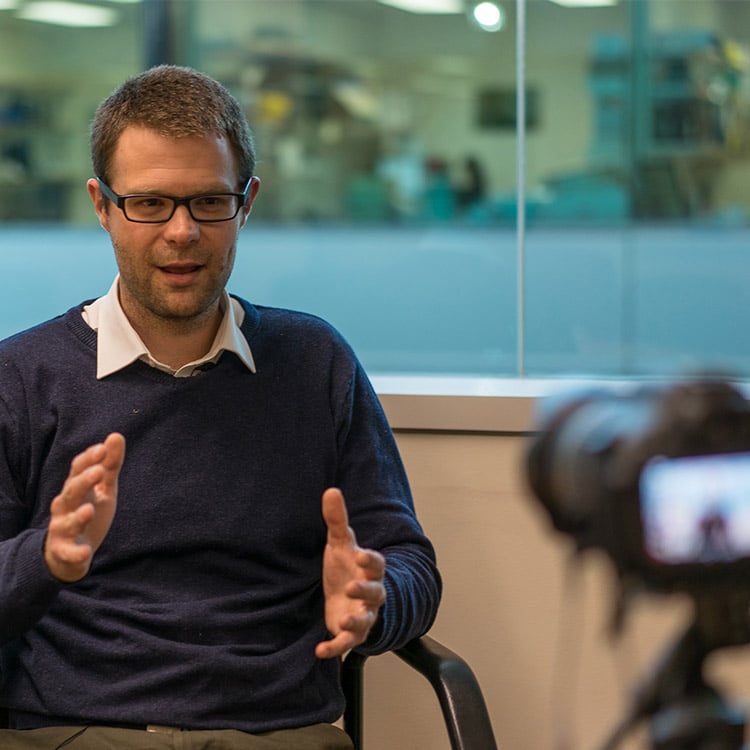
The Kids Research Institute Australia has two researchers and an innovative science engagement initiative as finalists in the 2017 Premier’s Science Awards.
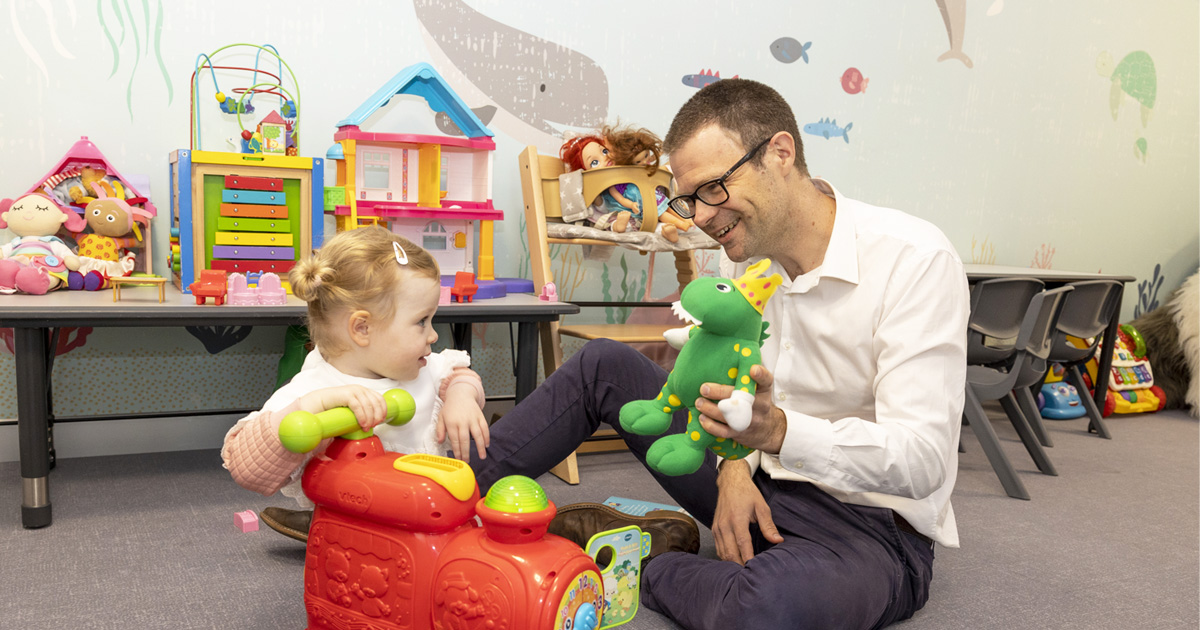
The Kids Research Institute Australia welcomes today’s Federal Government announcement of a new pilot program to support babies showing early social communication differences in Western Australia.
Autism researchers at The Kids have led the most comprehensive review of the evidence for autism intervention ever compiled