
Search

CliniKids is pleased to present our quarterly online Autism Seminar Series, designed to inform families, clinicians and educators about the latest autism topics and research.

Receiving an autism diagnosis for your child can bring a wide range of emotions. For many families, it provides answers and validation, but it can also leave parents and caregivers wondering, What happens next? Where do we start?
LiL' STEPS (Language development & Intervention Lab's SupporTing Early social-communication and language by Promoting caregiver Sensitive responsiveness) is a novel, manualized, caregiver-mediated early support program developed in India and delivered online for infants at elevated familial likelihood for autism. The program has been found to be feasible and acceptable. The preliminary efficacy of the LiL' STEPS program, which remains to be evaluated, was assessed in this study using a feasibility randomized controlled trial design.
Evidence suggests that the earlier supports are provided to young Autistic children, the better the overall outcomes. Supports have typically only been available after an autism diagnosis but with increased knowledge about early developmental trajectories, clinical supports can now be offered prediagnosis for infants showing early autism features and/or those with a family history of autism.
We performed a genome-wide association meta-analysis of 290,134 attention-deficit/hyperactivity disorder symptom measures of 70,953 unique individuals from multiple raters, ages and instruments.
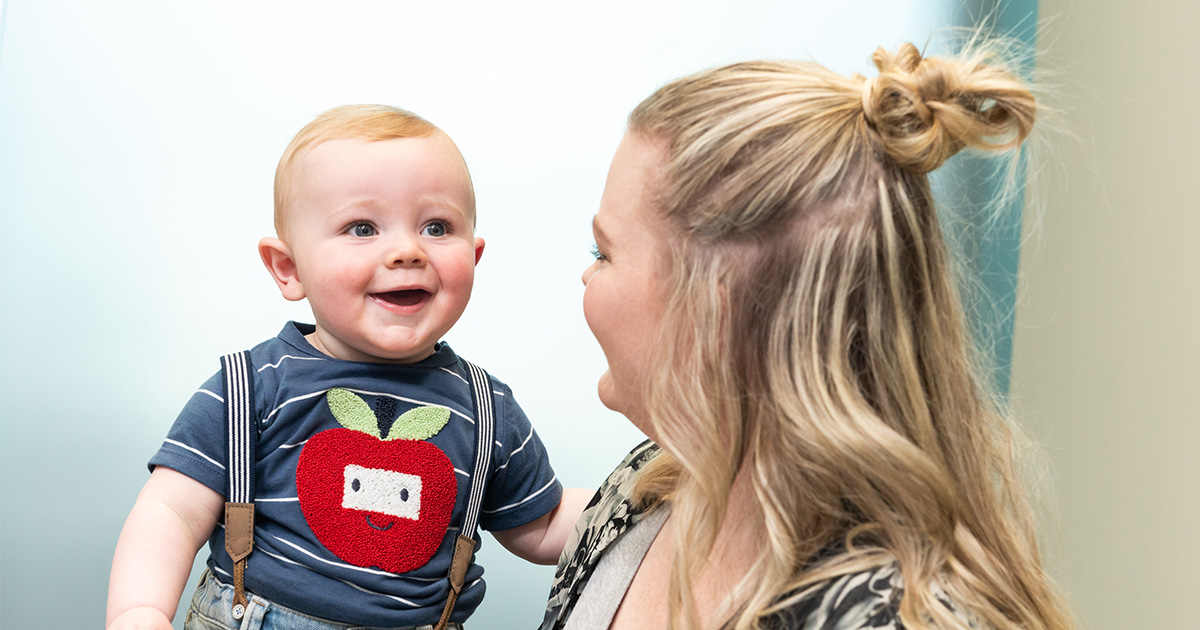
A world-first program for babies with delays in their social and communication skills has been launched in Western Australia, thanks to support from the National Disability Insurance Agency (NDIA).
Early life nutrition is associated with child behaviour; however, the interplay with genetic vulnerability is understudied. We hypothesised that psychiatric genetic risk interacted with early nutrition to predict behavioural problems in childhood and adolescence.
Thyroid hormones affect neurological development and function, but detailed studies of thyroid hormones and metabolites in autism are lacking. The objective was t characterize thyroid function and metabolism in autistic children.
While parenting self-efficacy and broader autism phenotype (BAP) have been linked to caregiver depression, anxiety and stress at specific points in time, their influence on longer-term mental health trajectories remains unknown, especially for caregivers who participate in support programs for their infants with very-early autistic features.
Young children diagnosed with autism experience high rates of co-occurring anxiety, with uncertainty-related concerns commonly reported. This randomized controlled trial investigated an 8-week parent-mediated group anxiety intervention, “Coping with Uncertainty in Everyday Situations” (CUES-Junior©).