
Search
Showing results for "clinikids"
Our data suggest an overall dysregulation in resting autonomic activity in adults with autism spectrum disorder
The current study highlights the specificity of brief imagery-based interventions in influencing psychophysiological reactivity in social anxiety disorder
Mental health conditions and problems are often reported in children and adolescents with CP. A systematic review was undertaken to describe their prevalence.
Reduced frontal power at 3 months may indicate increased risk for reduced expressive language skills at 12 months.
These data suggest that the link between maternal hypertensive diseases of pregnancy and child behavioral development begins in the first year of life.

One of the unique aspects of CliniKids is the integration of clinical services with cutting-edge research. Our exceptional team of researchers work in collaboration with our clinicians to give the community access to the world's best evidence-based therapies.

In this new blog, Senior Speech Pathologist Marisa Di Lorenzo discusses Augmentative and Alternative Communication and how it supports every individual’s access to the basic right of communication.
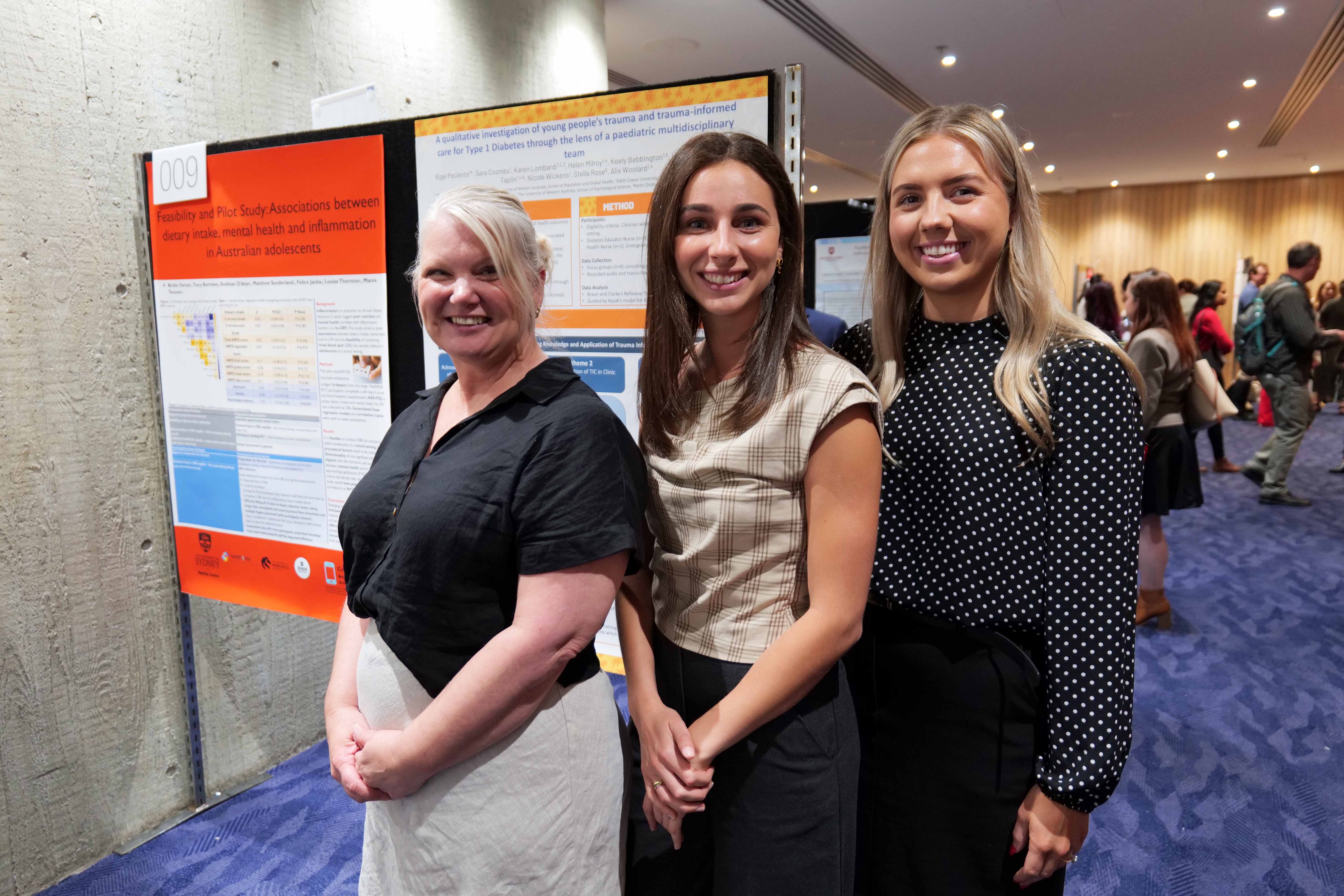
The Society for Mental Health Research conference was held in Sydney in early November, 2024.
Children with neurodevelopmental disorders often experience difficulties in acquiring and executing movement skills. Although the motor profiles of neurodivergent children frequently overlap, rigid conceptual distinctions between diagnostic labels have been imposed by traditional categorical approaches to taxonomy. An alternative transdiagnostic approach is proposed to better represent the similarities between presentations.
Developmental Coordination Disorder (DCD) is a neurodevelopmental condition impacting motor skill acquisition and competence. While previous studies have identified adverse psychosocial outcomes in DCD, they are limited by small or population-screened, community-based samples.