
Search
Our aim is to improve the emergency transfer of very ill babies by the NETS WA team such that it better supports parents and enhances infants’ recovery and long-term outcomes.
Aboriginal and Torres Strait Islander Peoples share rich cultural traditions unrivalled across the world; however, the continued impact of colonisation led to sustained, profound trauma that has spanned generations. With Aboriginal and Torres Strait Islander people presenting to hospital emergency departments for self-harm and suicidal behaviours at a rate 2.9 times higher than non-Indigenous people, there is a need to develop culturally appropriate interventions to address this growing problem.
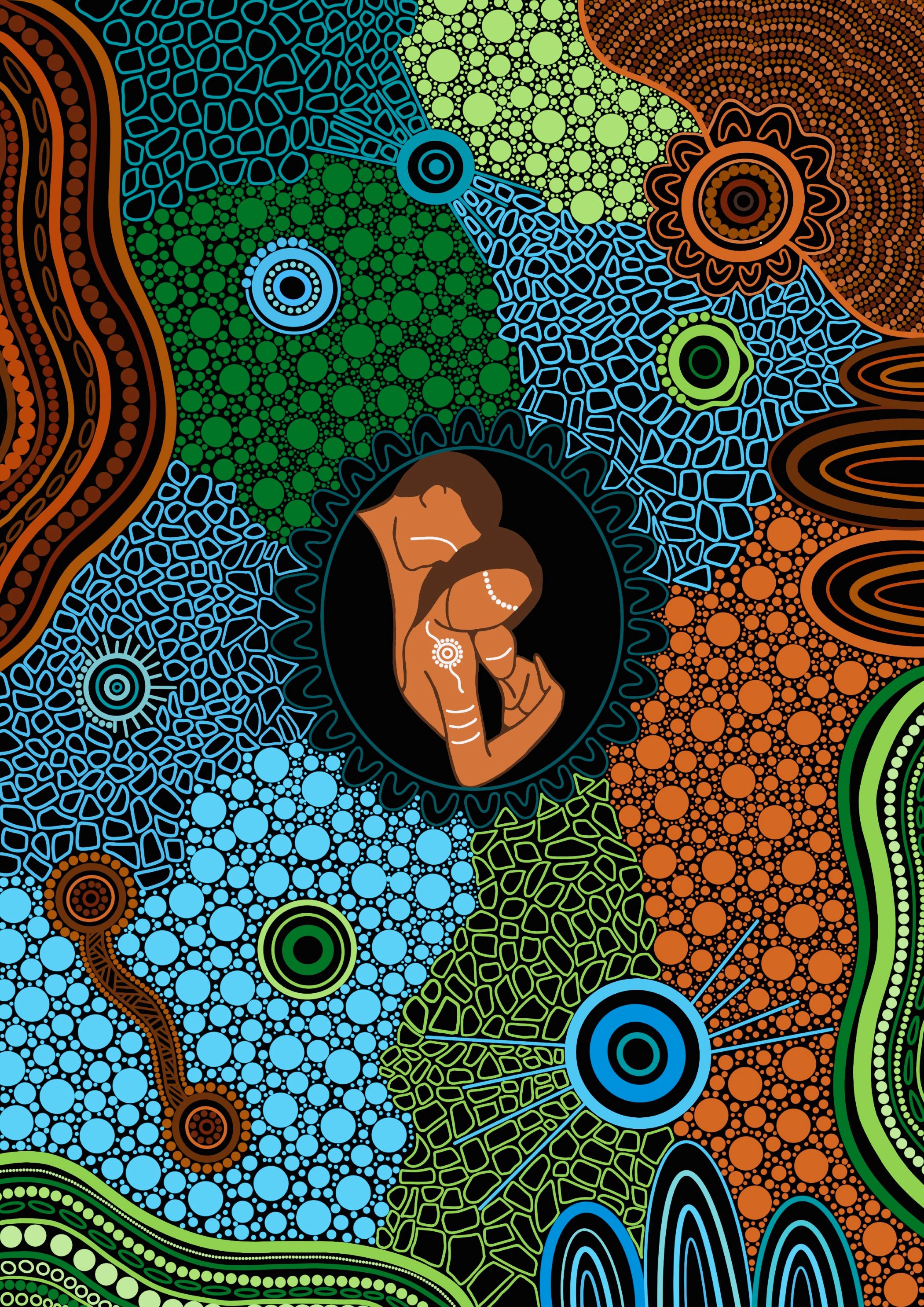
The aim of this project is to develop and implement a culturally safe, responsive and trauma-informed parenting program for Aboriginal and Torres Strait Islander families.
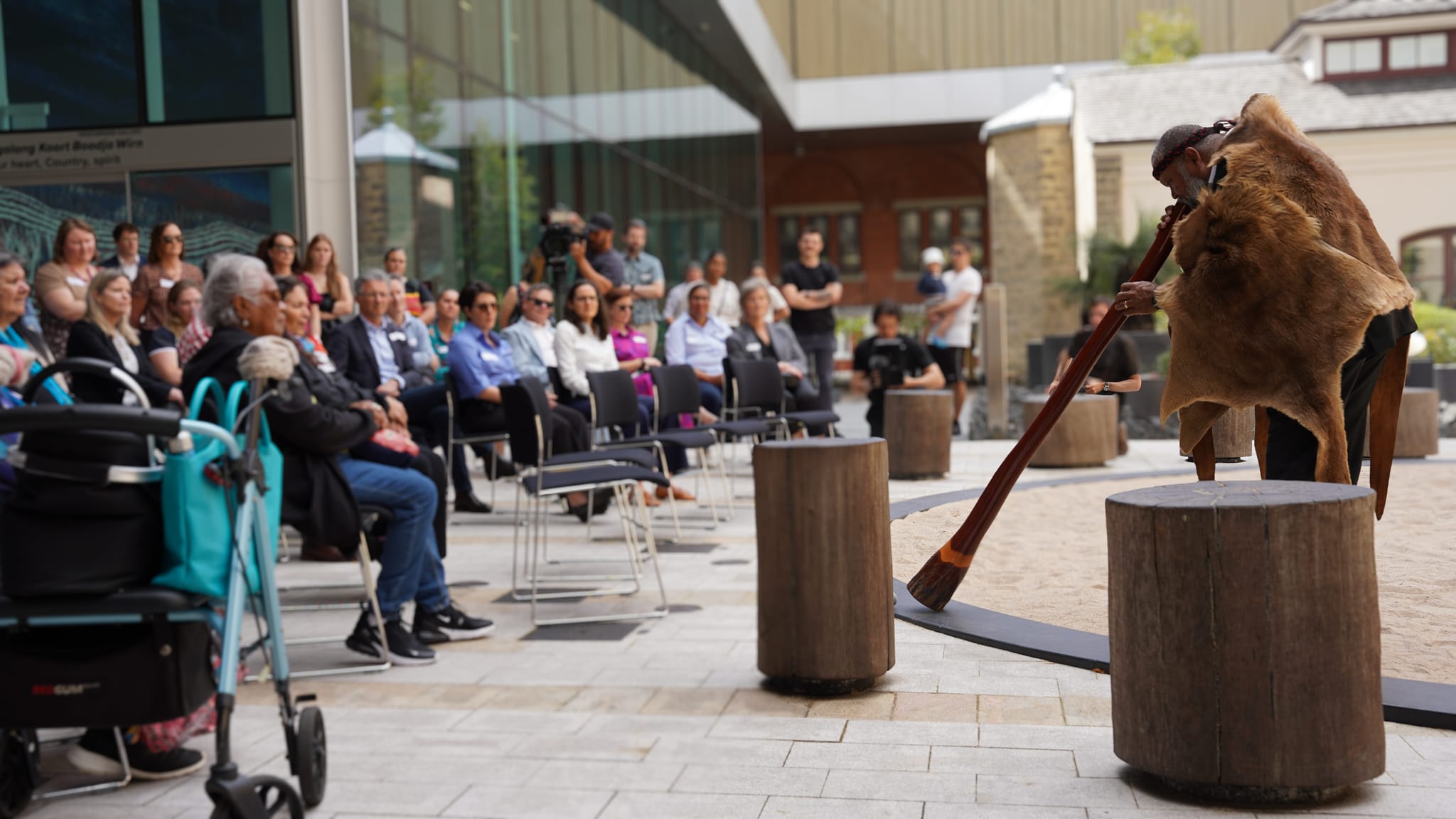
Barry Winmar began proceedings with a Welcome to Country and smoking ceremony.
Urbanization combined with climate change are exacerbating water scarcity for an increasing number of the world’s emerging cities. Water and sanitation infrastructure, which in the first place was largely built to cater only to a small subsector of developing city populations, is increasingly coming under excessive strain.
Malaria risk maps are crucial for controlling and eliminating malaria by identifying areas of varying transmission risk. In the Greater Mekong Subregion, these maps guide interventions and resource allocation. This article focuses on analysing changes in malaria transmission and developing fine-scale risk maps using five years of routine surveillance data in Laos (2017-2021). The study employed data from 1160 geolocated health facilities in Laos, along with high-resolution environmental data.
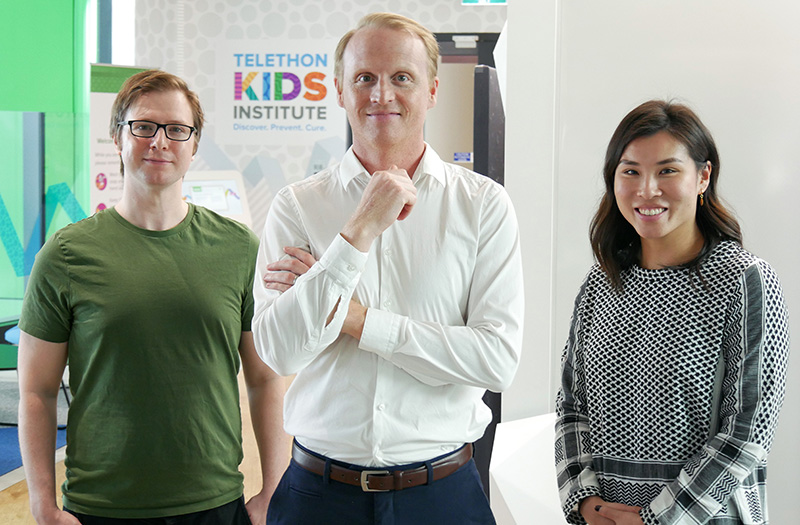
A world-leading research team built to tackle malaria has relocated from Oxford University to Western Australia to take advantage of the state’s growing big data talent pool.

Western Australia’s Omicron outbreak is far from over, with new modelling showing the number of total infections is only at its half-way point.
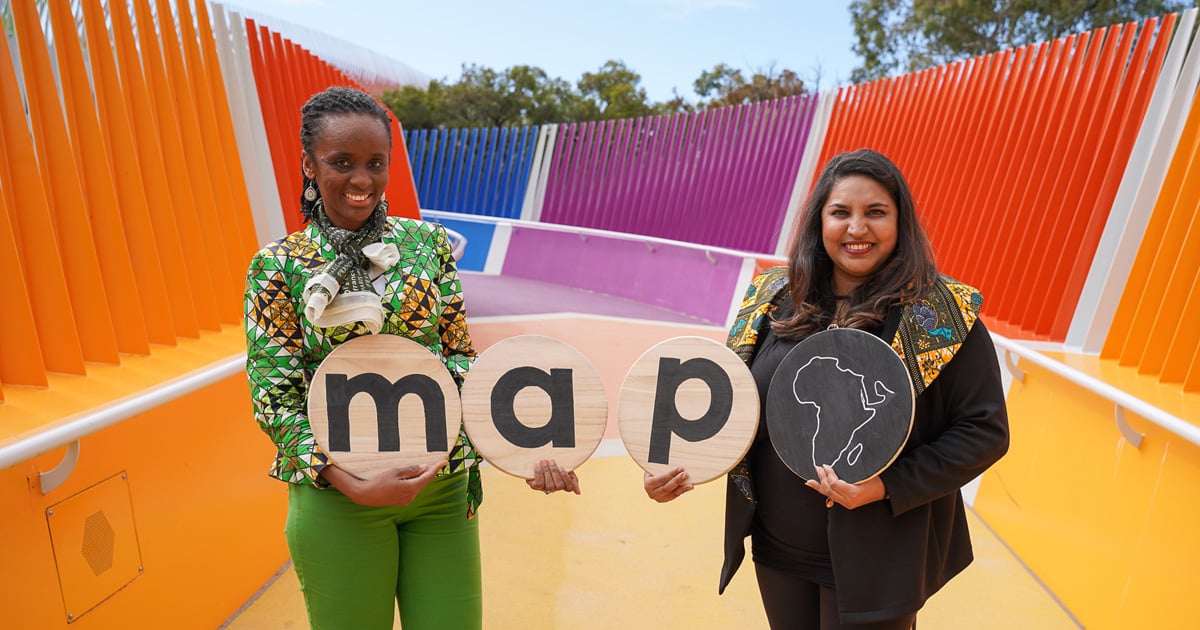
The Malaria Atlas Project (MAP) – which houses the world’s largest malaria database and is at the forefront of efforts to track and tackle the disease – has been awarded more than $16 million by the Bill & Melinda Gates Foundation.
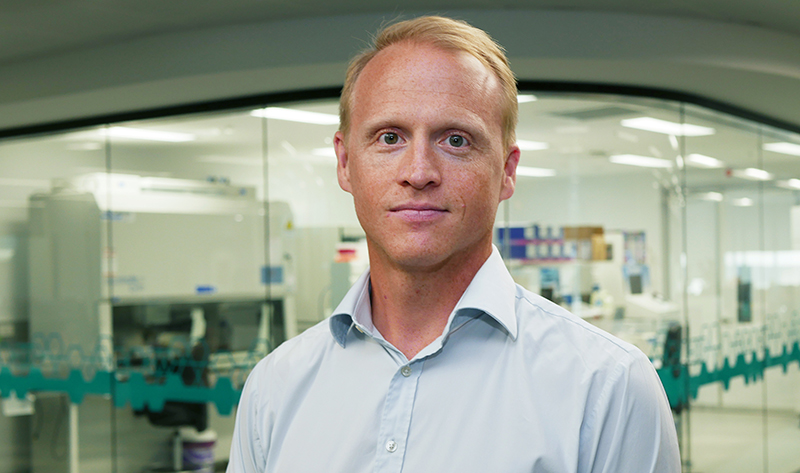
An international leader in the analysis and mapping of big data sets to tackle disease has been appointed The Kerry M Stokes Chair of Child Health.