
Search
Advertising and marketing by the alcohol industry serve to normalise alcohol use, with exposure to alcohol advertising linked to earlier and riskier drinking among young people. Advertising that portrays alcohol use in and around waterways is of particular concern, with one in five fatal drownings being associated with alcohol.

A toolkit designed to help schools use AEDC data to inform planning of early childhood programs and encourage engagement with the broader early childhood community is making a difference.
To examine follow-up outcomes at corrected postnatal age (cPNA) 2 years of preterm infants previously enrolled in an RCT and treated with IN-REC-SUR-E or IN-SUR-E in 35 tertiary neonatal intensive care units.
Estimate the global prevalence of neurodevelopmental impairment in children with Robin sequence (RS) at one year or more of age.
High-frequency oscillatory ventilation (HFOV) is an established mode of respiratory support in the neonatal intensive care unit. Large clinical trial data is based on first intention use in preterm infants with acute respiratory distress syndrome. Clinical practice has evolved from this narrow population. HFOV is most often reserved for term and preterm infants with severe, and often complex, respiratory failure not responding to conventional modalities of respiratory support.
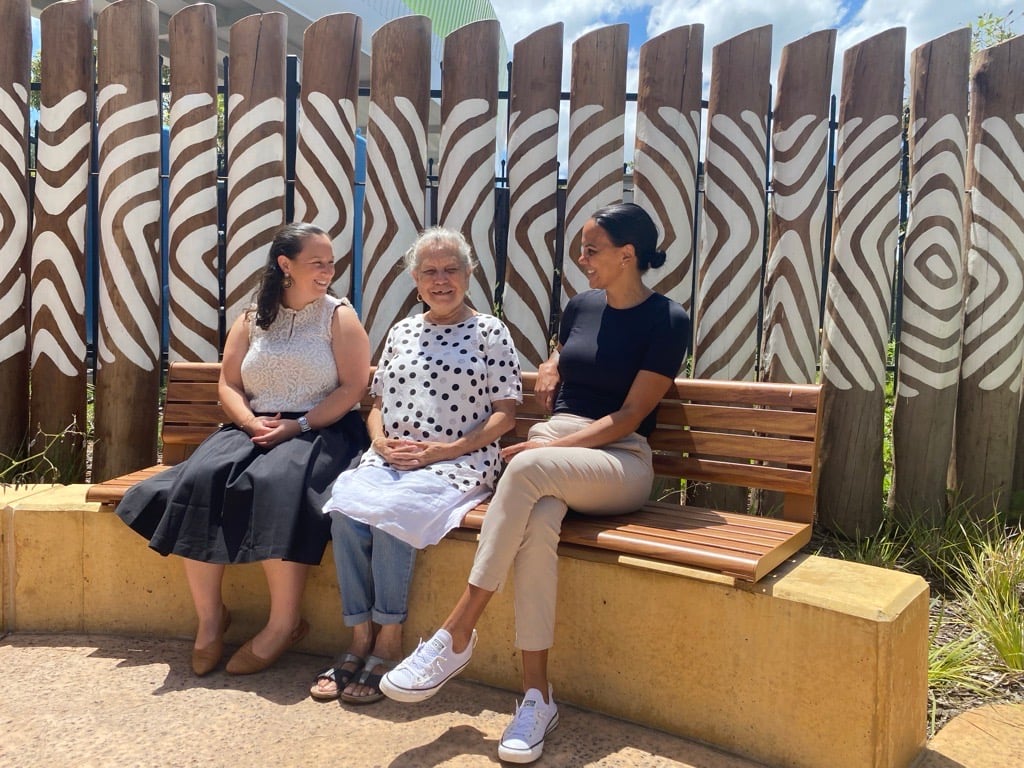
A first of its kind research program at The Kids Research Institute Australia aims to develop new strategies to better treat First Nations children with cancer.
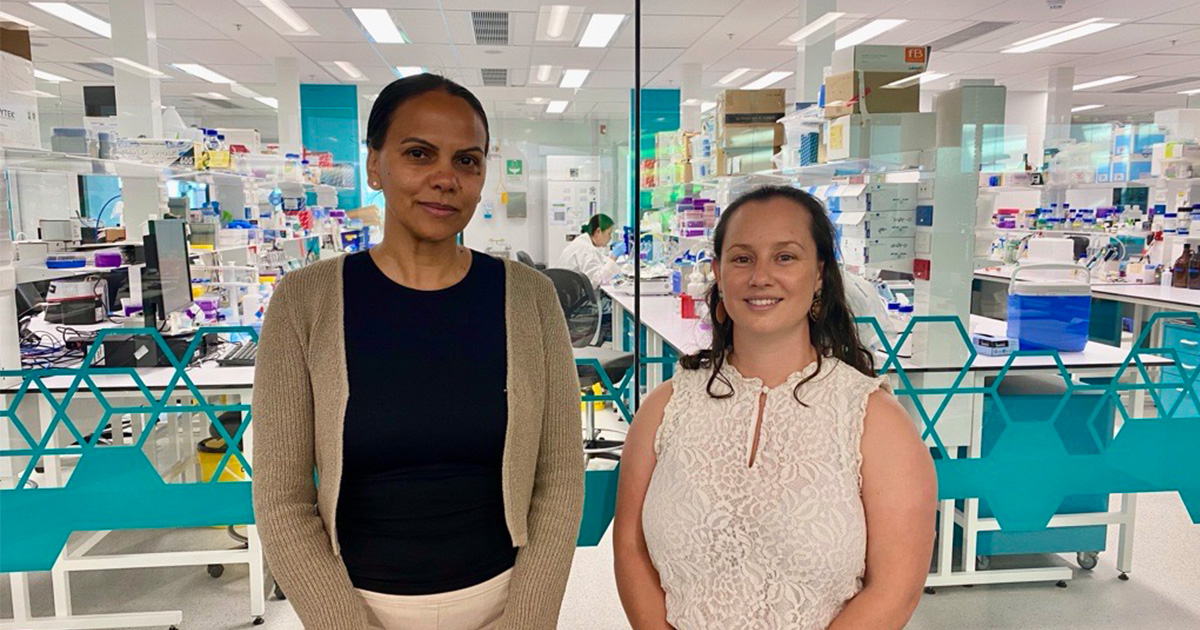
A review led by the First Nations Childhood Cancer team at The Kids Research Institute Australia has highlighted the urgent need for Indigenous-specific studies focused on cancer outcomes, survivorship and equity.
The induction of DNA damage has been employed as an anticancer strategy for more than 100years, first starting with the use of radiation to treat stomach cancer followed by the first uses of DNA-damaging chemotherapy to treat childhood leukemia.
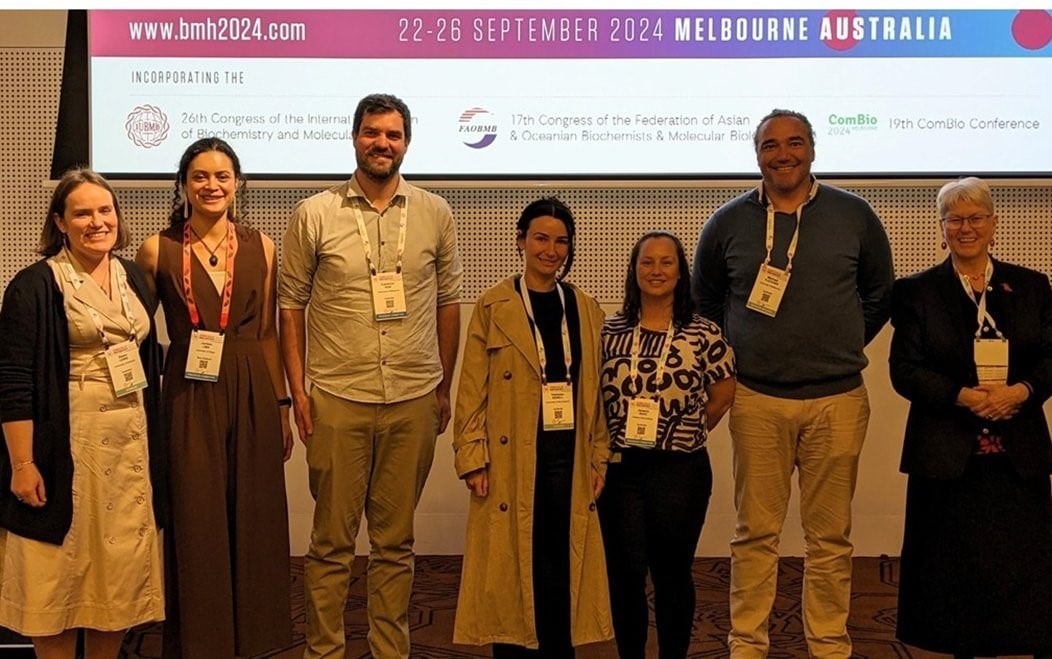
Dr Jessica Buck, a researcher at The Kids Research Institute Australia Cancer Centre and a Kamilaroi woman, is on a mission to address the unique challenges faced by Aboriginal and Torres Strait Islander children with cancer.
In Australia, cancer medicine is increasingly guided by our expanding knowledge of cancer genomics (the study of genetic information) and biology. Personalized treatments and targets are often defined by an individual’s genetic profile—known as precision cancer medicine. The translation of genomics-guided precision therapeutics from bench to bedside is beginning to produce real clinical benefits for Australians living with cancer.