
Search
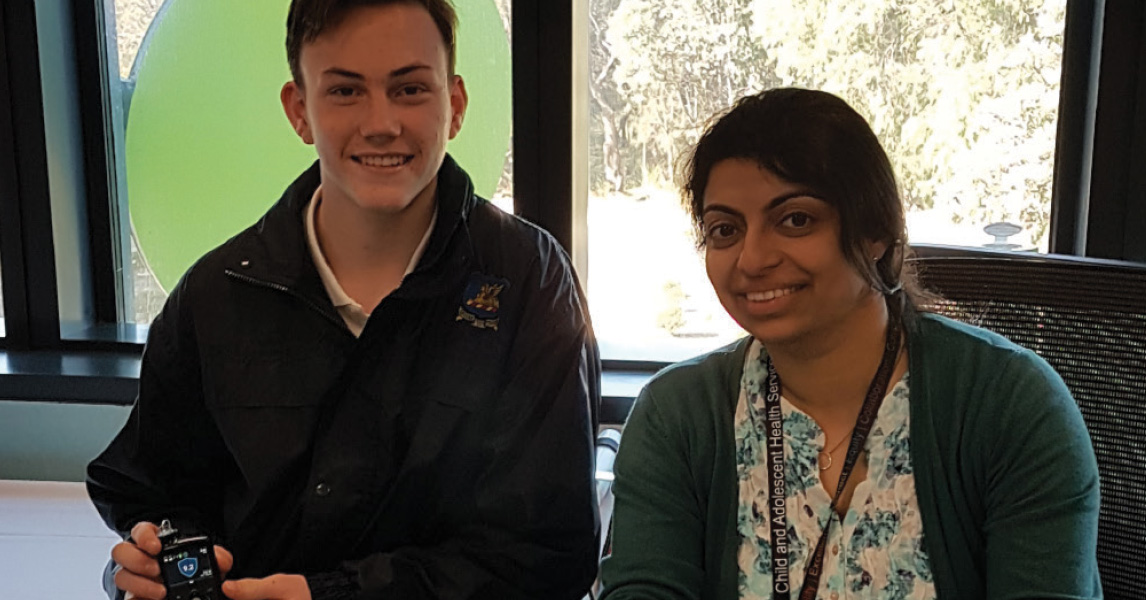
One hundred years after the discovery of insulin, technology advancements are being heralded as the dawn of a new era for managing type 1 diabetes (T1D) in young people.
Read about Professor Tim Jones and Associate Professor Liz Davis, co-directors of the Children's Diabetes Centre.
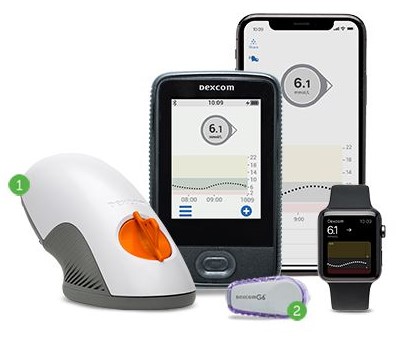
A new Q&A series focusing on the different research themes within the Children’s Diabetes Centre - technology.
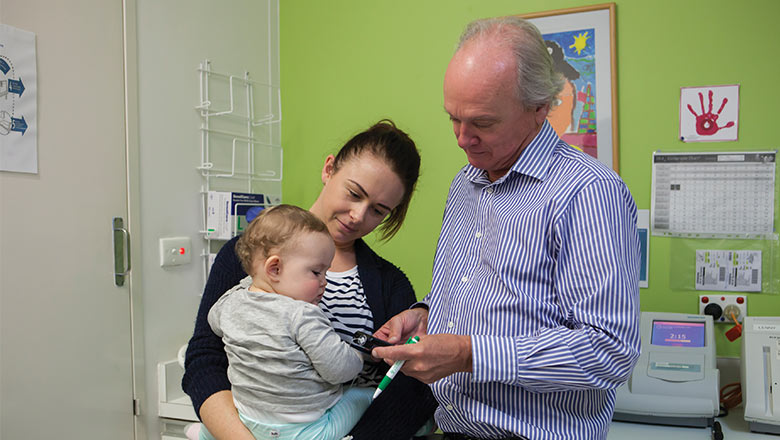
Diabetes research got a huge boost when the WA Children’s Diabetes Research and Education Centre for Research Excellence opened late last year.
To determine the efficacy of advanced hybrid closed-loop therapy in a high-risk cohort of youth on continuous subcutaneous insulin infusion with or without continuous glucose monitoring with suboptimal glycemia.
Less than 20% of Australians with type 1 diabetes (T1D) meet recommended glucose targets. Technology use is associated with better glycaemia, with the most advanced being automated insulin delivery (AID) systems, which are now recommended as gold-standard T1D care. Our Australian AID trial shows a wide spectrum of adults with T1D can achieve recommended targets. Other studies, including lived experience data, are supportive. Insulin pumps are not subsidised for most Australian adults with T1D. We advocate change.
Type 1 diabetes and diabetic ketoacidosis (DKA) have a significant impact on individuals and society across a wide spectrum. Our objective was to utilize machine learning techniques to predict DKA and HbA1c>7 %.
An increased albumin-creatinine ratio within the normal range can identify adolescents at higher risk of developing adverse cardio-renal outcomes as they progress into adulthood. Utilizing a parallel randomized controlled trial and observational cohort study, we characterized the progression of vascular phenotypes throughout this important period and investigated the effect of ACE (angiotensin-converting enzyme) inhibitors and statins in high-risk adolescents.
To investigate glycemic and psychosocial outcomes with hybrid closed-loop (HCL) versus user-determined insulin dosing with multiple daily injections (MDI) or insulin pump (i.e., standard therapy for most adults with type 1 diabetes). Adults with type 1 diabetes using MDI or insulin pump without continuous glucose monitoring (CGM) were randomized to 26 weeks of HCL (Medtronic 670G) or continuation of current therapy.
The Rio Tinto Children’s Diabetes Centre; a Breakthrough T1D Centre of Excellence at The Kids Research Institute Australia and Perth Children’s Hospital (PCH), is a global hub for research into type 1 diabetes (T1D) in children.