
Search
International guidelines recommend multidisciplinary intervention programs for addressing childhood obesity. In Western Australia, community-based healthy lifestyle programs for children and young people are insufficient for demand, especially for those over-represented in obesity statistics relating to prevalence. This protocol outlines the implementation and evaluation of an adapted, evidenced, community-based program in Perth, Western Australia.
Diffuse midline gliomas (DMG), including diffuse intrinsic pontine gliomas (DIPG), are the most lethal of childhood cancers. Palliative radiotherapy is the only established treatment, with median patient survival of 9 to 11 months. ONC201 is a DRD2 antagonist and ClpP agonist that has shown preclinical and emerging clinical efficacy in DMG.
Supratentorial RELA fusion (ST-RELA) ependymomas (EPNs) are resistant tumors without an approved chemotherapeutic treatment. Unfortunately, the molecular mechanisms that lead to chemoresistance traits of ST-RELA remain elusive. The aim of this study was to assess RELA fusion-dependent signaling modules, specifically the role of the Hedgehog (Hh) pathway as a novel targetable vulnerability in ST-RELA.
Cannabinoids are a group of chemicals that bind to receptors in the human body and, in turn, modulate the endocannabinoid system (ECS). They can be endogenously produced, synthetic, or derived from the plant Cannabis sativa L. Research over the past several decades has shown that the ECS is a cellular communication network essential to maintain multiple biological functions and the homeostasis of the body. Indeed, cannabinoids have been shown to influence a wide variety of biological effects, including memory, pain, reproduction, bone remodeling or immunity, to name a few. Unsurprisingly, given these broad physiological effects, alterations of the ECS have been found in different diseases, including cancer.
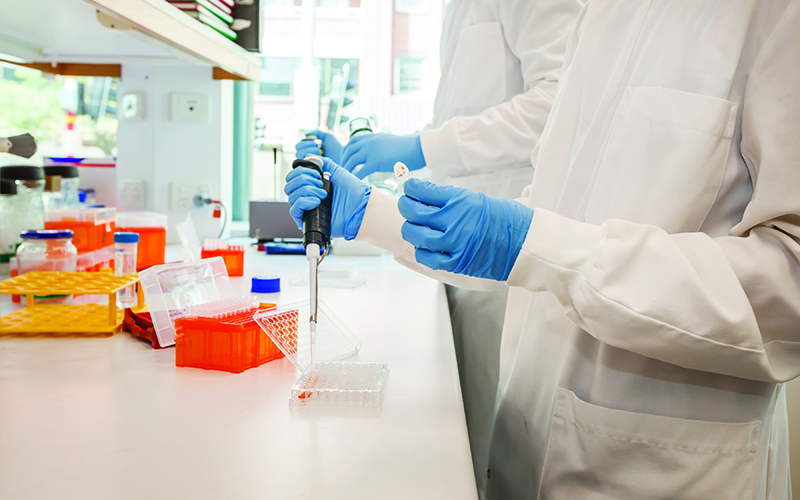
In an Australian-first, The Kids Research Institute Australia researchers have developed a new tool that could improve outcomes for children with a highly aggressive type of brain cancer.
Raelene Nick Endersby Gottardo BSc (Hons) PhD MBChB FRACP PhD Brainchild Fellow; Co-Head, Brain Tumour Research Head of Paediatric and Adolescent
Raelene Nick Endersby Gottardo BSc (Hons) PhD MBChB FRACP PhD Brainchild Fellow; Co-Head, Brain Tumour Research Head of Paediatric and Adolescent
Raelene Endersby BSc (Hons) PhD Brainchild Fellow; Co-Head, Brain Tumour Research raelene.endersby@thekids.org.au Co-Head, Brain Tumour Research
Raelene Nick Endersby Gottardo BSc (Hons) PhD MBChB FRACP PhD Brainchild Fellow; Co-Head, Brain Tumour Research Head of Paediatric and Adolescent
Raelene Nick Endersby Gottardo BSc (Hons) PhD MBChB FRACP PhD Brainchild Fellow; Co-Head, Brain Tumour Research Head of Paediatric and Adolescent