
Search
This study explored how children and adolescents with a neuromuscular disorder (NMD) and their parents experienced barriers and enablers to the child's participation.

One of the biggest problems facing young people with neuromuscular disorders is the risk of breathing problems caused by muscle weakness during sleep.
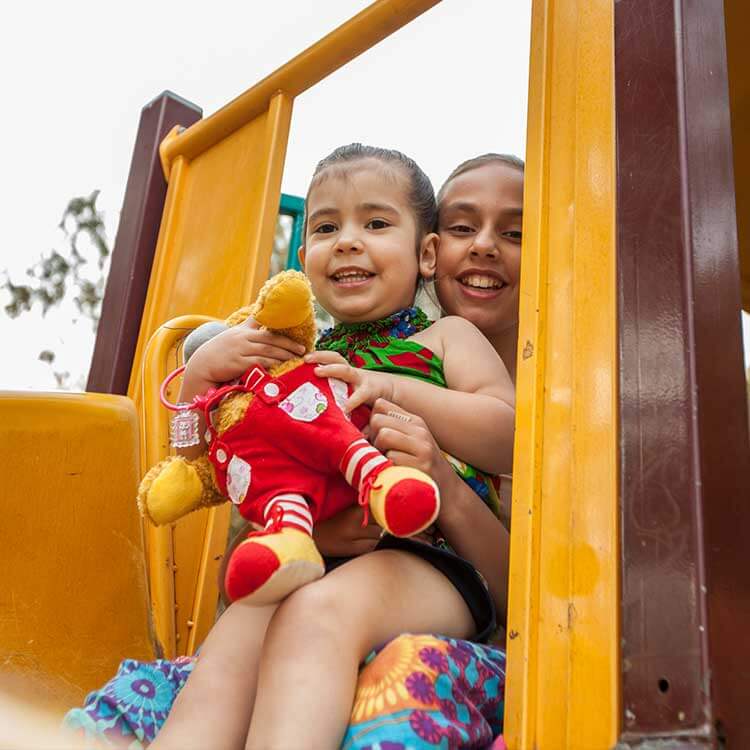
Australian researchers join global effort to better understand how events during pregnancy and childhood influence the development of disease later in life.
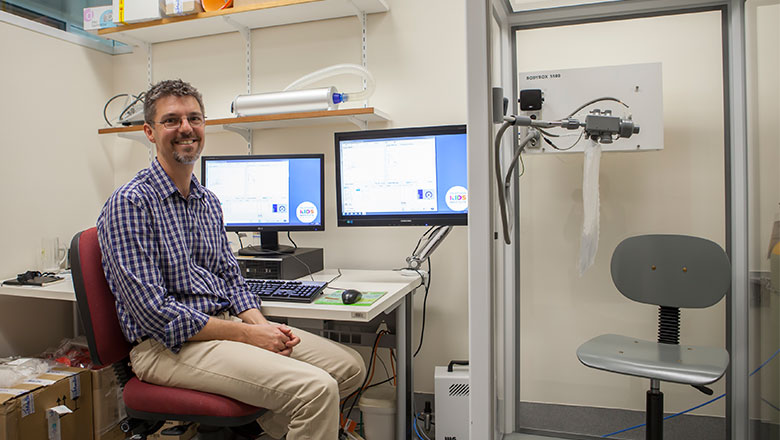
Professor Graham Hall is looking at the effect of air travel on premature babies, with his research already contributing to international guidelines.
We hope that through earlier diagnosis and treatment of muscle weakness during sleep, we can prevent future lung failure in children with neuromuscular disorders.
This editorial article addresses chronic obstructive pulmonary disease and lung function testing in Aboriginal Australians.
Exome sequencing is widely used in the diagnosis of rare genetic diseases and provides useful variant data for analysis of complex diseases. There is not always adequate population-specific reference data to assist in assigning a diagnostic variant to a specific clinical condition.
Human cutaneous leishmaniasis, a neglected tropical disease caused by Leishmania braziliensis, presents treatment challenges due to varying therapeutic responses. Current therapies often encounter limited efficacy and treatment failure, demanding a deeper understanding of immunopathogenesis and predictive markers.
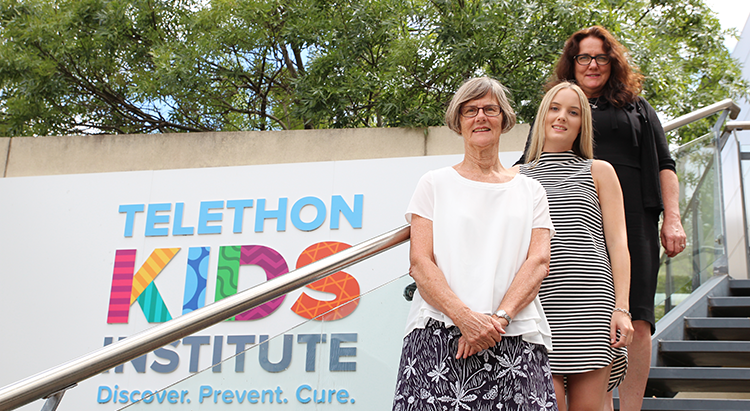
A ground-breaking The Kids Research Institute Australia study, which revealed that almost every young person being held in the Banksia Hill Detention Centre had some form of neuro-disability, has sparked concern and conversation across Australia and the world.
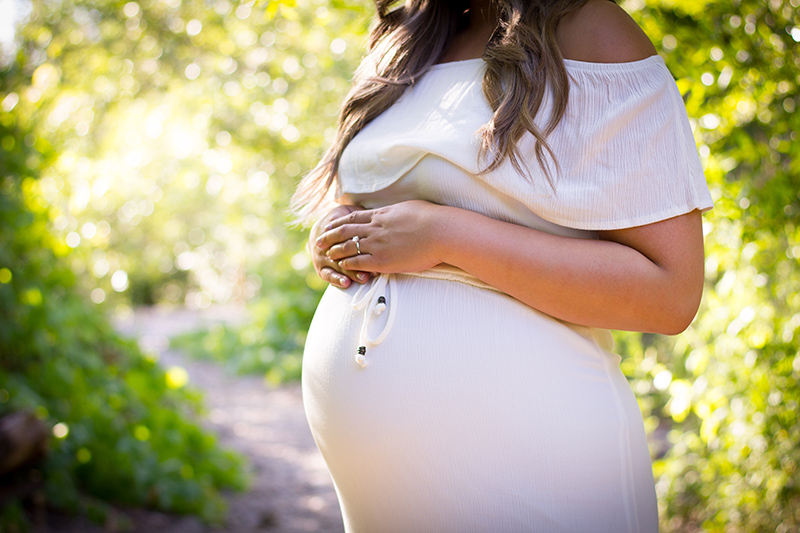
Researchers into fetal alcohol spectrum disorder (FASD) have welcomed the Federal Government’s announcement of a ten-year national action plan that will drive efforts to reduce the impact of FASD on individuals, families and communities.