
The present study aims to investigate the association between an early history of recurrent otitis media (OM) with or without ventilation tube insert…
Shortage of ear, nose, and throat specialists in public hospitals can result in delays in the detection and management of otitis media. This study in…
Australian Aboriginal and/or Torres Strait Islander children in rural/remote areas suffer high rates of persistent otitis media (OM) from early infan…
Chronic tinnitus during childhood/adolescence can be associated with impaired quality of life. Guidelines for managing paediatric tinnitus recommend…
To investigate the long-term impact of recurrent otitis media (rOM) and ventilation tube insertion (VTI) in early childhood on hearing outcomes and m…
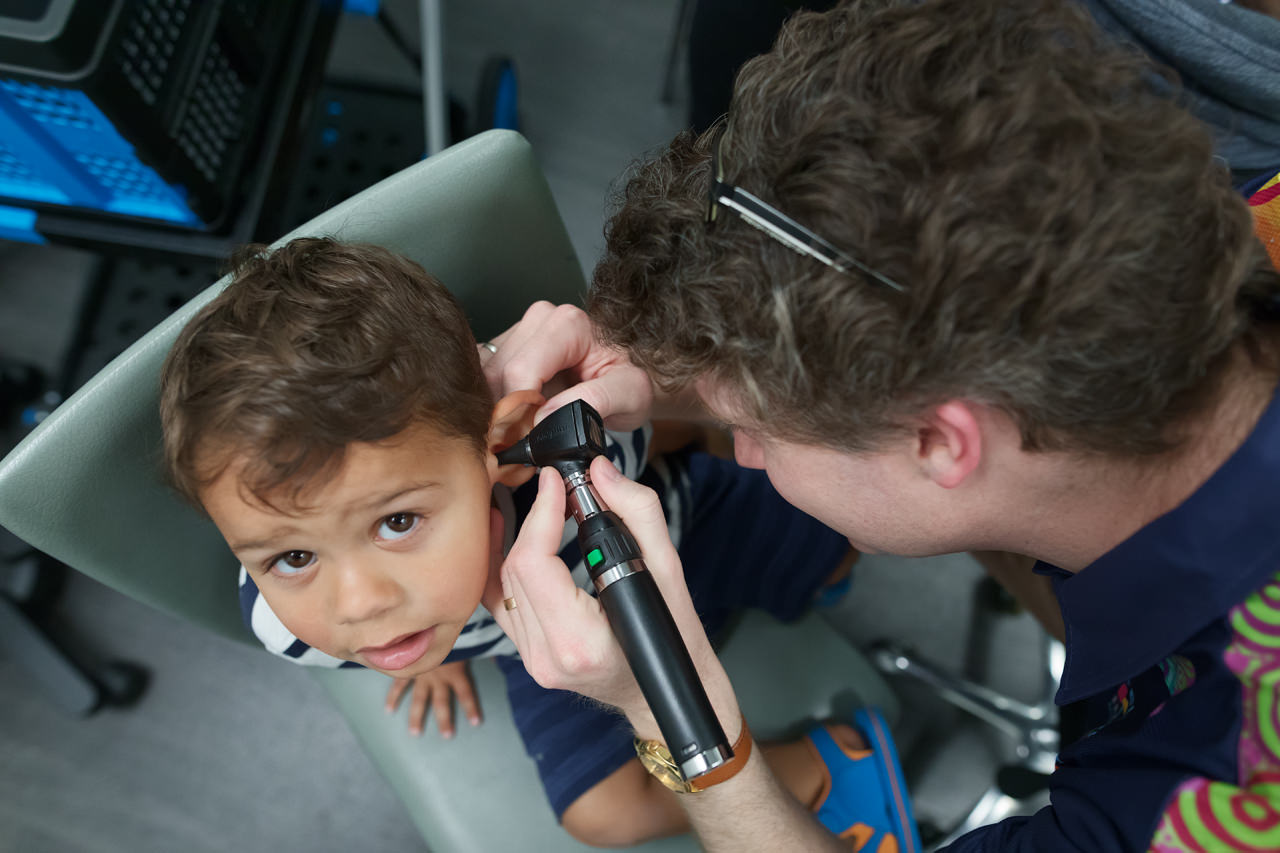
Researchers from The Kids Research Institute Australia have been awarded a $1.1 million NHMRC ‘Targeted Call for Hearing Health’ grant to conduct the…
Children who are Deaf and Hard of Hearing, their parents, Teachers of the Deaf, and other community stakeholders were involved in co-designing a web-…
Children in low-mid income countries, and First Nations children in high-income countries, experience disproportionately high rates of Streptococcus…
Australian First Nations children are at very high risk of early, recurrent, and persistent bacterial otitis media and respiratory tract infection. W…
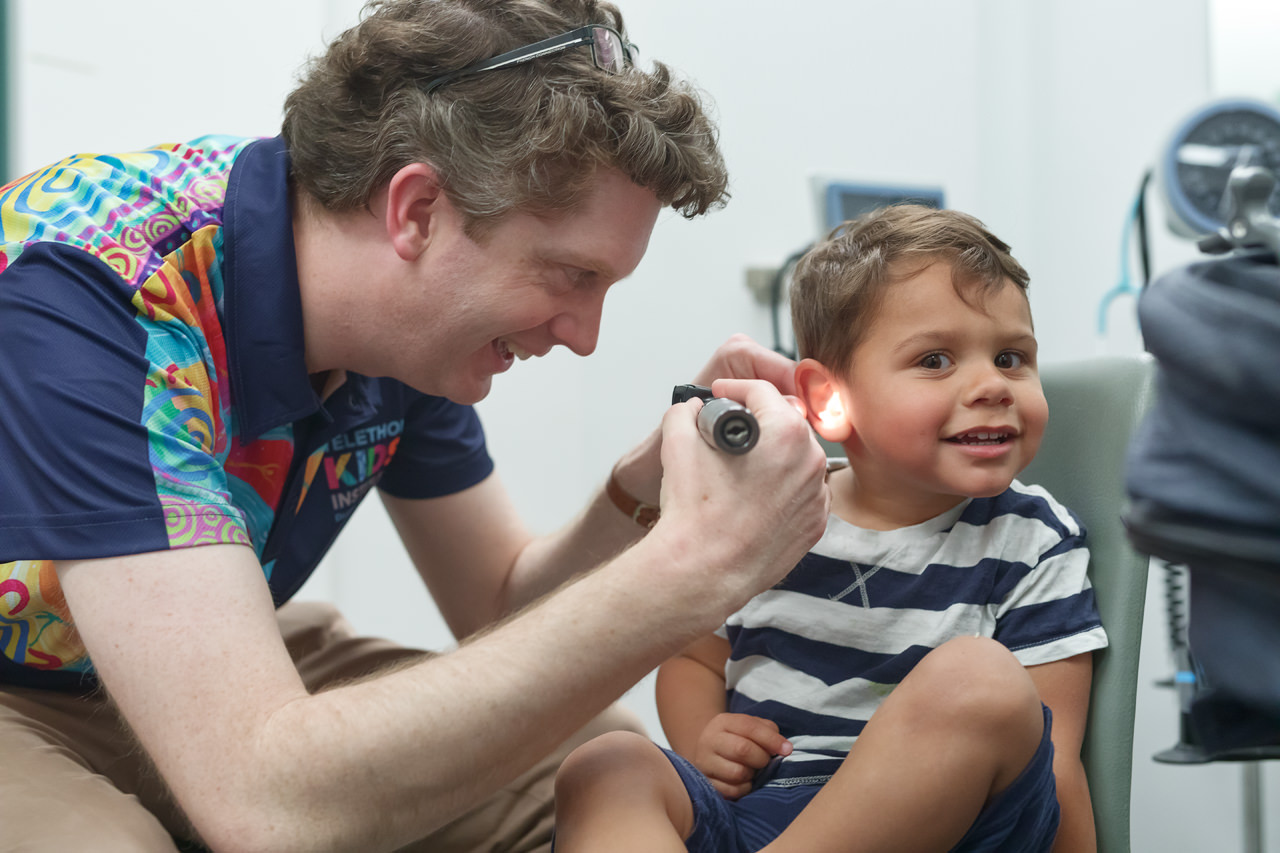
Paediatric audiologist Associate Professor Chris Brennan-Jones has been announced as a finalist for the country’s leading national science awards – t…